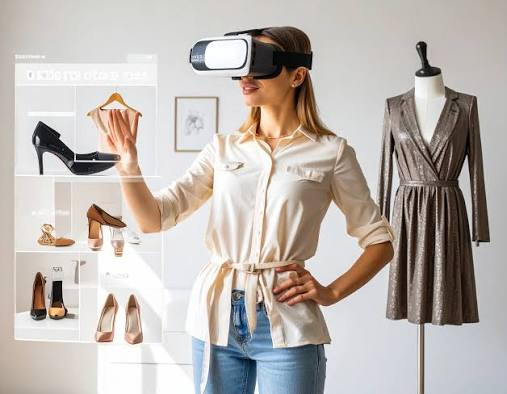
Fashion technology took another step toward a more digital future at the Digital Entertainment Leadership Forum 2026, where technology pioneers introduced new artificial intelligence and three dimensional tools designed to reshape how clothing is created, presented and experienced online. The emerging platforms bring together virtual fitting, digital apparel design and intelligent image generation, offering fashion brands a way to let customers explore garments without immediately producing or shipping physical samples.
AI and 3D Technology Move Deeper Into Fashion
The fashion industry has spent years experimenting with digital design, but the combination of artificial intelligence and three dimensional technology is making those experiments far more practical. Designers can now work with virtual garments, digital models and simulated environments before a physical product reaches a production line.
The demonstrations at DELF 2026 point toward a shopping experience in which customers may eventually see how clothing looks on a digital representation of themselves before placing an order. Instead of relying entirely on static product photographs, shoppers could interact with garments from different angles, examine details and potentially compare different sizes or styles through an immersive digital interface.
For us, the most interesting part of this development is not the novelty of seeing a digital model wearing a virtual jacket or dress. The larger change is that digital clothing can exist throughout much of the fashion process, from the first design concept to marketing, customer interaction and eventually virtual ownership.
Virtual Fittings Could Address One of Online Fashion’s Biggest Problems
Online clothing sales have always faced a basic difficulty. Customers cannot physically touch a garment or try it on before purchasing it. They have to estimate how a particular cut, color and material will look on their own body using photographs and written measurements.
Virtual fitting technology attempts to reduce that uncertainty. A shopper could potentially provide body measurements, select a digital avatar or use another form of personal representation, then view how a garment is expected to appear.
The experience will not necessarily replace a physical fitting room in every situation. Fabric texture, weight, stretch and movement can be difficult to reproduce perfectly through a screen. Yet even an improved visual representation could help consumers make more informed decisions.
This could be particularly valuable for international fashion brands serving customers across multiple markets. A shopper in one country may have very different expectations about sizing from a customer elsewhere. More sophisticated digital fitting tools could help brands communicate fit more clearly.
Better Fit Could Also Mean Fewer Returns
Returns are a persistent challenge for online fashion retailers. Customers sometimes order several sizes or styles because they are uncertain about the final fit, then send unwanted items back after trying them at home.
If virtual fitting becomes sufficiently accurate, it could reduce some of that uncertainty. A customer might compare two sizes digitally before ordering instead of purchasing both.
That has potential environmental benefits as well. Fewer unnecessary shipments could mean less packaging, transportation and processing associated with returns. The effect would depend on how accurately the technology works and how consumers use it, but the connection between digital fitting and more efficient shopping is significant.
Digital Clothing Could Reduce the Need for Physical Samples
Fashion production often requires physical samples before a collection is finalized. Designers, manufacturers and marketing teams need to see how garments look, and multiple revisions can lead to additional material use.
Three dimensional apparel tools provide another route. A designer can create a virtual garment, adjust its shape and examine it from different perspectives before requesting a physical sample.
This does not mean physical clothing becomes unnecessary. A final garment still needs to be tested for construction, comfort, durability and material behavior. However, digital prototyping could reduce the number of physical versions required during earlier stages of development.
For smaller fashion companies, that could also lower some of the financial barriers associated with experimentation. A designer with a limited budget could explore multiple concepts digitally before deciding which designs deserve physical production.
AI Is Changing the Way Fashion Concepts Are Created
Artificial intelligence adds another layer to the process by helping designers generate and explore ideas more quickly. Instead of beginning every concept from a blank digital canvas, a designer can use AI tools to experiment with silhouettes, patterns, colors and styling directions.
The technology can produce variations that a creative team can review, modify or reject. That makes AI less of an independent designer and more of an accelerated brainstorming partner when it is used responsibly.
The distinction matters because fashion depends heavily on human taste and cultural context. An algorithm can generate thousands of combinations, but it does not automatically know which design communicates the right identity for a particular brand or audience.
The strongest workflow may therefore combine machine generated possibilities with human creative judgment. Designers can spend less time producing repetitive variations and more time deciding which ideas deserve development.
Virtual Models Could Change Fashion Advertising
Another major opportunity lies in digital fashion models. Instead of photographing every garment on a physical model in multiple locations, brands could increasingly use three dimensional garments and digitally generated environments for certain marketing campaigns.
A single digital garment could potentially be presented in several settings, with different poses, backgrounds and styling choices. That could reduce some of the logistical requirements associated with traditional fashion photography.
Digital models may also make it easier to create localized campaigns. A brand could present the same collection in different visual environments for different markets without rebuilding an entire physical production.
However, this development raises questions about the future role of professional models, photographers, stylists and other creative workers. The industry will need to establish clear standards around consent, compensation and the use of a person’s likeness when artificial intelligence is involved.
The Sustainability Argument Is Powerful but Needs Care
Digital fashion is frequently presented as an environmentally friendly alternative because virtual garments do not require physical materials. That argument has merit in certain applications, particularly when digital prototypes replace some physical samples or when virtual garments are created purely for online experiences.
Yet digital technology still requires electricity, computing infrastructure and data storage. Artificial intelligence systems can require significant computing resources, especially when generating high resolution images or complex three dimensional environments.
For that reason, we should avoid treating digital fashion as automatically sustainable. Its environmental value depends on what physical activity it replaces and how efficiently the underlying technology operates.
A useful approach is to examine the complete production process. If a virtual prototype prevents multiple physical samples from being manufactured, transported and discarded, there may be a meaningful reduction in material use. If digital fashion simply adds another layer of consumption alongside conventional production, the environmental benefit may be much smaller.
Digital Fashion Could Create New Forms of Creativity
Virtual clothing is not limited to reproducing garments that already exist physically. Designers can create clothing that would be difficult or impossible to manufacture in the real world.
Digital garments can take on unusual shapes, materials and movements without being constrained by physical construction. A designer could create an elaborate digital outfit for an avatar, a virtual event or an online identity without needing to calculate how the garment would be sewn or transported.
This opens a new category of creative expression. Clothing could become part of digital identity in the same way that physical fashion communicates personality in the real world.
For younger consumers who spend significant time in games, social platforms and virtual environments, digital apparel may eventually feel as natural as physical clothing. A person could choose different outfits for different online settings while maintaining a recognizable digital identity.
Fashion Brands Will Need to Rethink the Shopping Experience
The arrival of virtual fitting and AI assisted fashion tools could also change how fashion websites are designed. Traditional online stores are built around product photographs, descriptions, prices and size charts. Future platforms may put interactive digital experiences closer to the center.
A customer could potentially enter a virtual showroom, select an avatar, try different garments and compare complete outfits without physically changing clothes. AI could recommend combinations based on preferences, previous purchases or selected occasions.
Such systems could make online shopping more personal, but they also need to avoid becoming overly intrusive. Consumers should have control over personal data, body measurements and digital representations used by fashion platforms.
Privacy Will Become a Major Issue for Virtual Fitting
Virtual fitting systems can require more personal information than a conventional online clothing store. Depending on the technology, platforms could process body measurements, photographs, videos or detailed digital representations of customers.
That makes privacy a central concern. Consumers should know what information is collected, why it is required, how long it is retained and whether it is shared with other companies.
Brands entering this market will also need strong cybersecurity practices. A digital representation of a person’s body can be sensitive information, particularly if it is connected with an identifiable account.
Consumers can learn more about broader international privacy principles through the World Intellectual Property Organization, particularly when considering the relationship between digital technology, creative ownership and intellectual property.
Copyright Could Become a Defining Issue
Artificial intelligence has already created difficult debates about copyright and creative ownership, and fashion adds another complicated layer. Designers rely on distinctive visual identities, patterns, silhouettes and artistic references that can become closely associated with particular brands.
AI systems capable of generating fashion concepts could make it easier to imitate recognizable aesthetics. The industry will therefore need clearer answers about where inspiration ends and unacceptable copying begins.
Digital garments also create questions about ownership. If a consumer purchases a virtual outfit for an avatar, what exactly does the customer own? Is the garment transferable? Can it be used outside the original platform? Can the company change or remove it later?
These questions may seem unusual today, but they could become ordinary commercial issues if digital fashion develops into a major consumer market.
What Fashion Companies Should Prepare For
Brands considering AI and three dimensional fashion platforms should focus on practical value rather than adopting technology simply because it is fashionable. The most useful applications are likely to be those that solve specific production or customer problems.
- Use virtual prototypes to reduce unnecessary physical sampling.
- Test virtual fitting systems carefully across different body types and sizes.
- Give customers clear information about how their personal data is processed.
- Maintain human creative review of AI generated designs and marketing material.
- Establish policies for digital likeness, copyright and creator compensation.
Companies that approach these technologies carefully may find that AI becomes a practical extension of their existing creative teams rather than a replacement for them.
The Future of Fashion May Exist in Two Worlds
The demonstrations at DELF 2026 suggest that the future of fashion may not be entirely physical or entirely digital. Instead, the two worlds could increasingly support one another.
A garment might begin as an AI assisted concept, become a three dimensional prototype, move into physical production and appear simultaneously as a digital version for online marketing. Customers could see the virtual version before buying the physical item, while designers could use digital feedback to improve future collections.
This connected process could make fashion more experimental and potentially more efficient. It could also create new ways for consumers to express themselves without requiring every digital experience to result in another physical product.
AI and 3D Fashion Are Moving Toward the Mainstream
The technologies introduced at the Digital Entertainment Leadership Forum 2026 point toward a fashion industry that is becoming increasingly comfortable with virtual production, intelligent design tools and digital identities. Virtual fittings could make online shopping more informative, three dimensional prototypes could reduce some physical sampling and digital garments could create entirely new forms of creative expression.
There will be challenges. Privacy, copyright, employment, authenticity and environmental impact all require serious attention as these systems become more widespread. The technology itself will not determine whether digital fashion succeeds. The way brands, designers, regulators and consumers choose to use it will matter far more.
We are entering a period in which a piece of clothing may no longer need to exist physically before people can see it, experience it or even buy it. The most successful fashion companies will likely be those that understand this shift while remembering why people care about clothing in the first place. Whether displayed on a physical body or a digital avatar, fashion remains a form of identity, imagination and personal expression.