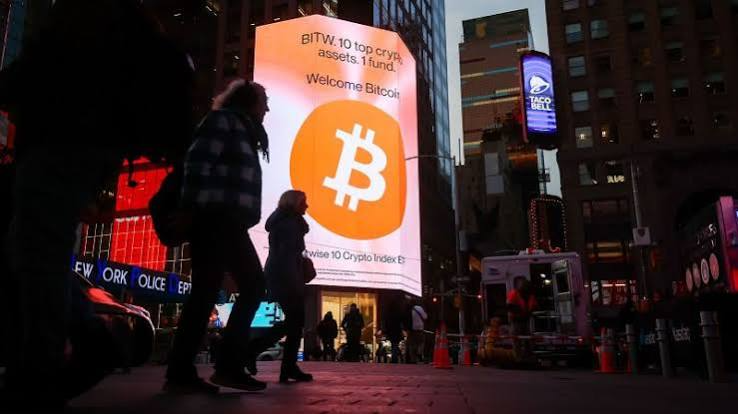
There is an odd kind of quiet settling over parts of the global economy right now, the sort of calm that makes seasoned market watchers a little uneasy rather than reassured. As of August 30, 2026, fresh economic reports from the Gulf Cooperation Council region and major international financial hubs are pointing to notably muted, localized inflation, a development that would ordinarily bring relief to policymakers and households alike. Yet that same calm sits alongside something far more restless, a steady liquidity shift into decentralized digital assets as investors respond to ongoing geopolitical friction with a search for alternatives outside traditional monetary systems. We think this tension between stability and speculation deserves a closer, more thoughtful look.
What the Inflation Data Is Actually Telling Us
Low inflation readings across GCC economies and select international financial centers typically reflect a combination of factors, including stable energy pricing, disciplined fiscal policy, and currency arrangements that have historically provided a buffer against the kind of price volatility seen in more exposed economies. For households in these regions, muted inflation translates into something genuinely tangible, grocery bills that hold relatively steady, rent increases that remain manageable, and a general sense that everyday financial planning does not require constant recalibration. We do not want to understate how meaningful that stability is for ordinary people navigating household budgets, particularly after several years of global inflationary pressure that strained finances across much of the world.
Central banks in these regions have generally welcomed this environment, viewing it as validation of monetary policy approaches that have prioritized currency stability and measured interest rate adjustments. Data tracked through institutions such as the International Monetary Fund’s regional economic outlooks has consistently shown that GCC economies, buoyed by relatively stable energy revenues and conservative fiscal management, have weathered recent global inflationary cycles with less turbulence than many other regions, a pattern that appears to be continuing into the latter half of 2026.
Why Calm Prices Do Not Mean Calm Markets
Here is where the story becomes genuinely interesting, and where we think many casual observers miss something important. Low inflation at the consumer level does not necessarily translate into low anxiety at the investment level, particularly when geopolitical friction continues simmering in the background. Investors, both institutional and individual, often make decisions based not just on current price stability but on perceived future risk, and ongoing geopolitical tensions have a way of pushing capital toward assets perceived as insulated from traditional financial and political systems. This is precisely the dynamic we are seeing play out through the continued liquidity shift into decentralized digital assets.
The Crypto Liquidity Shift Explained
Decentralized digital assets, cryptocurrencies chief among them, have long attracted investors seeking exposure outside conventional banking and currency systems, and that appeal tends to intensify precisely during periods of geopolitical uncertainty. We find it worth explaining why this pattern persists even when traditional economic indicators, like the muted inflation readings currently coming out of the GCC and other financial hubs, might suggest calmer waters ahead. Geopolitical friction introduces a different category of risk entirely, one tied to sanctions exposure, currency controls, cross border payment restrictions, and the broader uncertainty that comes with shifting alliances and trade relationships. Digital assets, by design, offer a degree of insulation from many of these specific risks, which explains why capital continues flowing in their direction even amid otherwise stable domestic price environments.
We think it is important to be candid about what this liquidity shift actually represents. It is not necessarily a vote of confidence in cryptocurrency as a superior long term store of value, so much as a hedging response to specific, identifiable geopolitical risks that traditional inflation metrics simply do not capture. An investor moving capital into decentralized assets amid GCC tensions or broader regional friction is often making a calculated bet on insulation from potential currency restrictions or sanctions exposure, rather than a broader statement about traditional finance’s failures.
How Regulators Are Responding
Financial regulators across the affected regions appear to be walking a careful line here, acknowledging the legitimacy of investor interest in digital assets while working to ensure adequate oversight remains in place to protect market stability and prevent the kind of speculative excess that has periodically destabilized crypto markets in the past. We would expect continued regulatory attention in the coming months, particularly around ensuring that liquidity shifts into decentralized assets do not create unintended vulnerabilities within broader financial systems that remain, after all, deeply interconnected with traditional banking infrastructure despite crypto’s decentralized framing.
Central banks in major financial hubs have generally taken a measured approach, neither dismissing digital asset markets outright nor rushing to embrace them without appropriate safeguards. This balanced posture reflects a broader recognition that decentralized assets have become a permanent, significant feature of the global financial landscape, one that requires thoughtful engagement rather than reflexive resistance or uncritical enthusiasm.
What This Means for Everyday Investors and Households
For readers trying to make sense of what all this means practically, we would offer a grounded perspective. Muted inflation in your local economy is genuinely good news worth appreciating, and it should not be overshadowed by headlines about crypto market volatility elsewhere. At the same time, understanding why capital is flowing toward decentralized assets, even amid domestic price stability, can offer valuable context for anyone considering their own investment allocation decisions. Geopolitical risk and consumer price inflation are related but distinct forces, and savvy investors tend to watch both rather than assuming stability in one domain guarantees calm in the other.
We would encourage caution against treating crypto market movements purely as a speculative curiosity disconnected from broader economic reality. These liquidity shifts often carry genuine informational value, reflecting how sophisticated market participants are assessing geopolitical risk in real time, sometimes well ahead of that risk becoming visible through more traditional economic indicators.
Looking Ahead at a Divided Financial Landscape
We expect this pattern, calm consumer prices alongside restless capital markets, to persist as long as geopolitical friction remains unresolved. Central banks and regulators across the GCC and other affected financial hubs will likely continue monitoring both dynamics closely, working to preserve the hard won price stability that has benefited households while ensuring adequate oversight of the digital asset flows that reflect deeper anxieties about global political and financial stability. For now, we would encourage readers to hold both realities in view simultaneously, appreciating the genuine relief that low inflation provides while staying attentive to what continued crypto market activity might be quietly signaling about the geopolitical currents running beneath the surface.