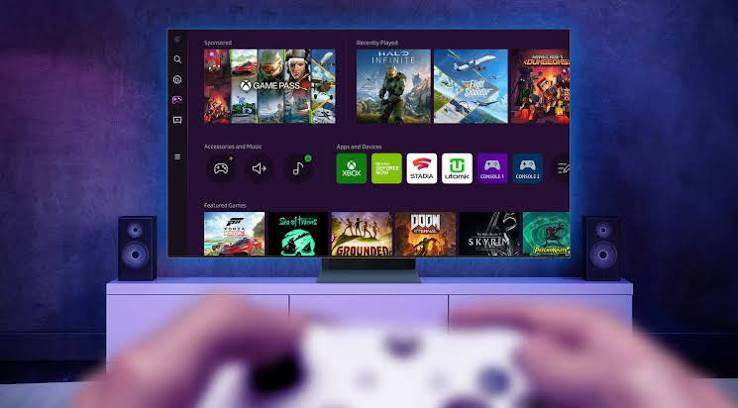
There is a moment many of us recognize instantly, scrolling through yet another app icon on a crowded phone screen, trying to remember which platform holds the show we wanted to finish, which one has the game we downloaded last month, which subscription we forgot we were still paying for. As of August 31, 2026, major media and gaming companies appear to have recognized that frustration too, and they are responding with a wave of strategic diversification. Prominent gaming and media brands are acquiring adjacent gaming verticals at a notable pace, working to widen their user bases and build genuine all in one entertainment hubs rather than the narrow, single purpose platforms that defined the previous decade of digital media. We think this shift deserves careful examination, both for what it means for consumers and for what it reveals about a media landscape that has reached a genuine saturation point.
Why Platform Saturation Forced This Strategic Pivot
The streaming and gaming industries spent years locked in a familiar pattern, each major player launching its own dedicated platform, competing primarily on exclusive content and original programming, and betting that consumers would happily maintain five, six, or more separate subscriptions simultaneously. That bet increasingly appears to have reached its natural limit. Subscription fatigue has become a well documented phenomenon, with consumers growing more selective about which platforms genuinely earn a place in their monthly budget, and churn rates across the streaming sector reflecting growing consumer willingness to cancel and resubscribe based on specific content rather than maintaining permanent loyalty to any single service.
We find this saturation point genuinely instructive, because it reflects something important about consumer behavior that the industry perhaps underestimated during its rapid expansion years. People do not actually want dozens of separate entertainment destinations to manage. They want convenience, coherence, and value, qualities that fragmented, single purpose platforms struggle to deliver once the initial novelty of streaming wars wears off. Industry analysis from research firms tracked through platforms such as Statista’s streaming media research has consistently shown subscriber growth slowing across major platforms in recent cycles, a trend that helps explain why diversification into adjacent gaming and entertainment verticals has become such an attractive strategic response.
What All in One Entertainment Hubs Actually Look Like
The acquisitions we are seeing reflect a deliberate strategy to build ecosystems rather than standalone products. A media brand that once focused purely on film and television content is now acquiring gaming studios and adjacent gaming verticals, positioning itself to offer interactive entertainment alongside traditional programming within a single unified platform. This approach recognizes something that younger audiences in particular have made increasingly clear through their viewing and playing habits, the line between watching content and actively participating in it has grown considerably blurrier than it once was.
We think this convergence makes genuine strategic sense beyond simply chasing trends. A consumer who enjoys a particular fantasy franchise through streaming content may well be receptive to an interactive game set within that same universe, and platforms capable of offering both experiences within one seamless subscription stand to capture significantly more engagement and revenue than those offering only one or the other. This logic appears to be driving much of the current acquisition activity, as media and gaming companies alike recognize that cross pollination between passive viewing and active gameplay represents genuine untapped value rather than a passing novelty.
The Consumer Experience at the Center of This Shift
We want to focus on what this diversification actually means for the people navigating these platforms day to day, because ultimately that experience will determine whether this strategic pivot succeeds. For consumers exhausted by subscription fragmentation, the promise of a genuine all in one entertainment hub carries real appeal, one login, one monthly payment, and access to a broader range of content and interactive experiences than any single narrow platform could offer independently. We can picture the relief many households would feel consolidating what currently requires juggling multiple accounts, multiple remotes, and multiple monthly charges into something considerably simpler.
That said, we think it is worth raising a note of measured caution alongside the optimism. Consolidation of this kind, while convenient, also concentrates significant market power within fewer major players, a dynamic that historically has not always served consumer interests well over the long term. Pricing power, content curation decisions, and the diversity of available entertainment options can all be affected when a handful of super platforms absorb what was previously a more fragmented, competitive landscape. We would encourage consumers to watch closely how pricing evolves as these hubs mature, and whether the promised convenience ultimately comes bundled with meaningfully higher costs once initial competitive pricing incentives fade.
What This Means for Smaller Studios and Independent Creators
We also find it worth considering how this wave of acquisitions affects smaller gaming studios and independent content creators who have historically found opportunity in a more fragmented market. Acquisition by a major media ecosystem can offer welcome resources, distribution reach, and financial stability for smaller studios that might otherwise struggle to compete. Yet it can also raise legitimate concerns about creative independence and whether acquired studios retain the freedom to pursue distinctive, original projects once absorbed into a larger corporate entertainment strategy focused heavily on cross platform synergy.
We would encourage both consumers and industry observers to watch this dynamic closely in the months ahead, paying attention to whether these newly formed entertainment hubs continue supporting creative diversity and experimental projects, or whether consolidation gradually narrows the range of genuinely distinctive content available across the industry.
What Comes Next in the Entertainment Landscape
We expect this trend toward diversified, all in one entertainment ecosystems to continue accelerating as platform saturation persists and consumer appetite for fragmented subscriptions continues waning. Media and gaming companies that successfully build genuinely integrated, valuable hubs, rather than simply bolting acquired properties onto existing platforms without meaningful integration, are likely to capture disproportionate consumer loyalty in the coming years. Those that treat diversification as a superficial branding exercise rather than a genuine reimagining of the entertainment experience may find consumers considerably less patient with clunky, poorly integrated offerings.
For now, we think this moment represents a genuinely significant inflection point in how entertainment gets packaged, delivered, and experienced. The era of narrow, single purpose platforms appears to be giving way to something more ambitious and more consolidated, and how well that new landscape balances genuine consumer convenience against the risks of concentrated market power will shape entertainment experiences for years to come. We will be watching this space closely, and we suspect many exhausted subscribers juggling too many apps will be watching just as eagerly.