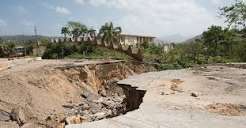
Severe flooding, landslides and other extreme weather events are placing renewed pressure on real estate and infrastructure systems across the world, forcing communities and developers to reconsider how buildings, industrial sites and residential neighborhoods are planned. As of August 31, 2026, the growing focus is shifting from simply repairing damage after disasters to preparing properties before the next storm arrives. For residents watching water enter streets, businesses facing disrupted operations and planners confronting increasingly difficult decisions, climate adaptation is becoming a practical necessity rather than a distant policy concern.
Extreme Weather Is Changing the Infrastructure Conversation
Floodwater does not respect property boundaries. A single intense rainfall event can overwhelm drainage networks, cut transportation links, damage electrical equipment and leave homes and businesses inaccessible. Landslides can create a similar chain reaction, particularly in areas where steep terrain, saturated soil and development intersect. When critical installations are affected, the consequences can extend well beyond the damaged structure itself.
We are seeing a broader recognition that infrastructure resilience must account for the conditions a property may face throughout its useful life. A building designed around historical weather patterns may remain structurally sound under ordinary conditions yet prove vulnerable when rainfall, flooding or ground movement reaches levels that were previously considered unusual.
This shift has significant implications for real estate. Developers, property owners, insurers, lenders and public agencies increasingly have to consider climate exposure when evaluating where and how construction should take place. Location, drainage capacity, elevation, soil conditions, emergency access and the reliability of essential utilities can all influence the long term resilience of a project.
Climate Resilient Zoning Is Becoming a Planning Priority
One of the strongest tools available to cities is zoning. Traditional zoning decisions often focus on land use, density, transportation access and community growth. Climate adaptation adds another layer by asking whether particular locations are appropriate for specific types of development under future environmental conditions.
Climate resilient zoning can restrict or carefully manage development in areas exposed to recurring flooding, unstable slopes or other hazards. It can also encourage resilient construction in locations where development is considered appropriate. This approach does not necessarily mean stopping growth. Instead, it can guide growth toward areas where homes, industrial facilities and public infrastructure can be protected more effectively.
For urban planners, the challenge is balancing housing demand and economic development with physical risk. That balance becomes especially difficult in communities where affordable land is already limited. A well designed planning framework can help prevent residents from being placed in locations where repeated disasters could create financial hardship and displacement.
The Intergovernmental Panel on Climate Change provides extensive scientific assessments that help governments and planners evaluate climate related risks and adaptation needs. Such information can support decisions about flood exposure, changing precipitation patterns and other hazards when cities revise long term development strategies.
Building Materials Are Being Rethought for a More Difficult Climate
Resilient infrastructure is not only about where a building stands. It is also about how the building is constructed. Developers and engineers are increasingly examining materials and structural systems that can tolerate moisture, high winds, prolonged exposure and other environmental stresses.
In flood prone areas, resilient construction can include water resistant materials in vulnerable sections of a building, elevated mechanical equipment and designs that make inspection and recovery easier after flooding. Industrial facilities may require additional protection for electrical systems, machinery, storage areas and other components whose failure could interrupt essential operations.
For residential construction, seemingly modest decisions can have meaningful consequences. Proper drainage around a property, appropriately designed foundations, protected utility connections and materials selected for local environmental conditions can reduce the severity of future damage.
We should also recognize that resilience is not simply a matter of choosing stronger materials. A building can have excellent structural components and still suffer serious losses if surrounding roads flood, power systems fail or emergency services cannot reach the site. The resilience of a property therefore depends partly on the resilience of the wider community.
Industrial Facilities Face Particular Risks
Industrial installations can be especially vulnerable because they often depend on complex networks of electricity, transportation, water, communications and supply chains. Flooding at one facility can therefore create disruptions far beyond the property line.
Manufacturing plants, warehouses and logistics centers may need to assess the location of critical machinery and electrical infrastructure as part of their adaptation planning. Protecting the most sensitive equipment can help businesses resume operations more quickly after an extreme event.
Businesses can also benefit from identifying alternative transportation routes, backup power arrangements and emergency procedures before a disaster occurs. These measures may appear costly during normal operations, but prolonged downtime can be substantially more expensive than preventive investment.
Residential Communities Are Feeling the Pressure Too
For homeowners and renters, climate risk is intensely personal. A flooded neighborhood can mean damaged possessions, temporary displacement, missed work and uncertainty about whether a family can safely return home. Repeated disasters can also affect property values and household finances.
That reality makes resilience planning a community issue rather than something that should be left entirely to individual homeowners. Drainage improvements, flood management systems, safe evacuation routes, reliable emergency communications and resilient public utilities can protect thousands of households at once.
Residents can also take practical steps by learning the hazards associated with their location, reviewing insurance coverage and keeping important documents and emergency supplies accessible. Property owners considering renovations can ask whether improvements can reduce exposure to water, wind or ground movement rather than focusing only on appearance and immediate cost.
Infrastructure Investment Must Look Beyond the Next Storm
Governments face a difficult financial calculation. Rebuilding damaged infrastructure after every major event can consume enormous public resources, while preventive projects may receive less attention because their benefits are less visible. Yet resilience investment can reduce future losses when it is properly targeted.
Roads, bridges, drainage networks, water systems and power infrastructure need to be evaluated as interconnected assets. Strengthening one component while leaving a nearby vulnerable system untouched may provide limited protection. A resilient strategy considers how a failure in one network could affect the others.
The Federal Emergency Management Agency climate resilience resources provide planning information focused on reducing disaster risk and strengthening community preparedness. Such frameworks illustrate the broader movement toward anticipating hazards rather than treating every disaster as an isolated event.
Insurance and Real Estate Decisions Are Also Changing
Climate exposure is increasingly relevant to property economics. Insurers must evaluate potential losses, while buyers and investors have to consider whether a property can remain viable under changing environmental conditions. A building with attractive features and a convenient location may become a less appealing investment if recurring hazards create high repair costs or limited insurance options.
This means climate risk assessment can become part of responsible real estate due diligence. Buyers may need to investigate flood history, drainage conditions, elevation, local hazard maps and the resilience of essential services before committing to a property.
Developers face a similar responsibility. Building to the minimum standard may satisfy current regulations, but long lived infrastructure can remain in service for decades. Decisions made during design and construction can therefore influence the safety and financial performance of a property long after the original project team has moved on.
Technology Can Help Cities Prepare Earlier
Better information is becoming an important part of adaptation. High resolution mapping, weather monitoring, satellite observations and geographic information systems can help planners identify vulnerable areas and prioritize investments.
Digital models can also help authorities examine how flooding or other hazards might affect transportation corridors, neighborhoods and critical facilities. The value of these systems is greatest when information is converted into practical decisions, such as improving drainage, changing zoning requirements or protecting an essential facility before damage occurs.
A More Resilient Future Requires Long Term Thinking
The pressure created by extreme weather is unlikely to disappear after one construction cycle or one infrastructure upgrade. Resilience requires continuous assessment as communities grow, weather risks change and existing buildings age.
For us, the clearest lesson is that climate adaptation should not be treated solely as an environmental issue. It is also an issue of housing security, economic stability, public safety and responsible investment. A resilient building protects more than its walls. A resilient neighborhood protects livelihoods. A resilient infrastructure network gives communities a better chance of recovering when conditions become dangerous.
The events affecting communities around the world are making the cost of vulnerability easier to see. The opportunity now is to use that experience constructively. Better zoning, stronger construction practices, improved drainage, protected critical systems and informed investment can reduce future disruption.
Climate resilience will not prevent every flood or landslide, and no infrastructure system can eliminate risk completely. But thoughtful adaptation can determine whether an extreme event becomes a manageable setback or a prolonged crisis. As cities and the real estate sector plan for the decades ahead, building for resilience may become one of the most consequential decisions made at every stage of development.