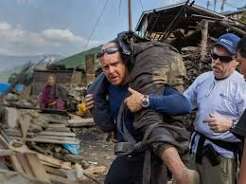
Healthcare emergency systems in disaster affected regions are mobilizing large scale medical operations as communities recover from widespread natural disasters, with public health teams concentrating on disease prevention, safe water, sanitation, emergency treatment, and the health needs of displaced families. Behind the visible scenes of damaged buildings and crowded shelters, another crisis can develop quickly when clean water becomes scarce and healthcare facilities struggle to operate. We are seeing emergency responders place renewed attention on prevention because controlling illness during the first days of a disaster can protect thousands of people from a second wave of suffering.
Medical Teams Face a Rapidly Changing Emergency
Natural disasters can disrupt nearly every part of a local healthcare system at once. Hospitals may lose electricity or access to essential supplies, roads can become difficult to navigate, and medical workers themselves may be displaced. At the same time, large numbers of people may require urgent treatment for injuries, dehydration, infections, chronic conditions, pregnancy related needs, and psychological distress.
The first priority is usually to establish functioning medical access while emergency teams assess the scale of the crisis. Temporary clinics, mobile medical units, emergency pharmacies, and community health stations can become essential when permanent facilities are damaged or inaccessible. Medical workers must make difficult decisions about where limited supplies and personnel can have the greatest effect.
We should also recognize the human pressure carried by these teams. A doctor treating patients in a crowded temporary clinic may be working with limited equipment after losing contact with colleagues or family members. Nurses and community health workers may spend hours moving between shelters while conditions remain uncertain. Their work is not simply a technical response to disaster. It is a direct effort to restore a sense of safety for people who may have lost homes, possessions, and familiar routines within a matter of hours.
Waterborne Illness Becomes a Major Public Health Concern
Flooding and infrastructure damage can create conditions in which drinking water becomes contaminated with sewage, chemicals, debris, or other harmful substances. When displaced communities depend on uncertain water sources, the risk of gastrointestinal infections can increase rapidly. Children, older adults, pregnant people, and individuals with existing health vulnerabilities can be especially affected by dehydration and infectious disease.
For emergency health authorities, preventing contamination is often more effective than attempting to treat a large outbreak after it begins. Public health teams may distribute safe drinking water, sanitation supplies, water treatment materials, hygiene products, and clear instructions for handling food and household water. Community education can be particularly valuable because residents are often making decisions under difficult conditions without access to their normal facilities.
The World Health Organization provides extensive public health guidance covering emergencies, disease prevention, sanitation, and humanitarian health response. Such guidance helps health authorities and response organizations coordinate basic protective measures when normal systems have been disrupted.
Prevention Depends on Basic Services
Public health protection after a disaster is closely connected to services that may appear ordinary during normal conditions. Clean toilets, handwashing facilities, safe food storage, waste collection, adequate ventilation, and reliable drinking water can become critical health interventions when communities are living in temporary shelters.
Emergency teams therefore have to work beyond traditional clinical care. Medical professionals may coordinate with sanitation workers, engineers, local authorities, relief organizations, and community representatives. The goal is to reduce the conditions that allow disease to spread while ensuring that people who become ill can receive treatment quickly.
Small gaps can have significant consequences. A shelter without enough clean water can create repeated health problems. A shortage of sanitation facilities can increase contamination. Poor waste management can attract insects and rodents. Crowded indoor spaces can also make respiratory infections more difficult to control. Each problem requires practical attention rather than a single medical solution.
Mass Displacement Creates a Second Layer of Healthcare Pressure
Displacement changes the nature of medical response because people may arrive at temporary shelters with very different needs. Some may have serious injuries, while others may require regular medication for conditions such as diabetes, high blood pressure, asthma, or epilepsy. Pregnant women may need prenatal or maternity services, while infants require safe feeding arrangements and close monitoring.
Keeping displaced people connected to essential healthcare is therefore a central part of emergency planning. Medical teams need ways to identify patients who require continued treatment and help them obtain medicines even when their usual clinics are closed. Losing access to routine care can turn manageable conditions into emergencies.
Mental health also deserves sustained attention. Disasters can produce fear, grief, confusion, and prolonged uncertainty. People may have witnessed injuries, lost relatives, or spent nights without knowing whether their homes remain standing. Children can respond differently from adults, sometimes showing anxiety through changes in sleep, behavior, or communication.
Emergency response should not treat psychological distress as secondary simply because physical injuries are more visible. Safe spaces, trained counselors, community support networks, and consistent information can help people regain stability while longer term services are restored.
Children and Vulnerable Families Need Focused Support
Children can face particular risks in crowded displacement settings. Their nutritional needs, dependence on adults, and developing immune systems can make interruptions to food, clean water, and healthcare especially serious. Families may also struggle to maintain regular routines when shelters are crowded and information is changing quickly.
Health teams can reduce these risks by identifying vulnerable children early, supporting safe nutrition, monitoring signs of illness, and maintaining access to essential medicines. Keeping families together and ensuring that children have safe places to stay can also reduce psychological harm during a chaotic period.
Older adults and people with disabilities may encounter different barriers. Damaged roads, inaccessible shelters, limited transportation, and the loss of caregivers can make it difficult for them to reach medical services. Effective disaster response therefore requires more than counting available beds or clinics. Authorities must consider whether people can actually reach and use those services.
Emergency Surveillance Helps Detect Outbreaks Earlier
Disease surveillance becomes particularly important when normal reporting systems are interrupted. Healthcare workers need reliable ways to identify unusual increases in fever, diarrhea, respiratory illness, skin infections, or other symptoms. Early detection allows public health authorities to investigate potential outbreaks before they spread across larger populations.
Emergency surveillance can also help officials understand where supplies are most urgently needed. If several shelters begin reporting similar symptoms, response teams can investigate water quality, sanitation conditions, food handling, and other possible causes. This approach allows resources to be directed toward the underlying problem rather than relying entirely on treatment after people become seriously ill.
Accurate communication is equally important. Communities need practical information that tells them what symptoms require medical attention, how to protect drinking water, where healthcare services are available, and what steps can reduce infection risks. Messages should be clear enough to understand during stress and accessible to people with different languages, literacy levels, and disabilities.
Coordination Determines Whether Medical Response Reaches People
Large disaster operations involve many organizations, and coordination can determine whether assistance reaches the people who need it most. Government health departments, hospitals, emergency medical services, humanitarian organizations, local clinics, community leaders, and international agencies may all be working in the same area.
Without effective coordination, one location can receive more supplies than necessary while another community waits for basic medical assistance. Shared information about population movement, shelter capacity, disease patterns, medical stock, and transportation routes can help reduce these gaps.
The United Nations Children’s Fund also supports humanitarian programs focused on children and families affected by emergencies, including health, nutrition, water, sanitation, and protection needs. Cooperation between health agencies and humanitarian organizations is particularly important when displacement continues for weeks or months rather than days.
Recovery Requires More Than Temporary Clinics
Emergency medical operations are designed to save lives quickly, but recovery requires rebuilding the systems that communities depend on every day. Damaged hospitals need repairs, medical supply chains must be restored, healthcare workers need support, and public health monitoring has to continue after the immediate crisis receives less media attention.
Water and sanitation infrastructure may take considerable time to repair. Until reliable services return, temporary arrangements must remain safe and adequately maintained. This is one reason disaster health planning cannot end when floodwaters recede or emergency shelters begin to empty.
There is also a valuable lesson for communities that have not yet experienced a major disaster. Emergency preparedness can include household water storage, knowledge of local evacuation routes, basic first aid supplies, copies of essential medical information, and plans for maintaining medications during an evacuation. Communities can also benefit from knowing where official health information will be provided during an emergency.
A Public Health Response Built Around Prevention and Dignity
The current emergency response highlights a principle that is easy to overlook when disaster coverage focuses on dramatic images: preventing illness can be just as important as treating injuries. Safe water, sanitation, nutrition, vaccination where appropriate, disease surveillance, mental health support, and continued access to essential medicines all contribute to saving lives.
We should also judge emergency response by how respectfully people are treated. Displaced families are not simply numbers in a shelter database. They are parents trying to protect children, older people trying to maintain independence, patients trying to continue treatment, and communities attempting to rebuild after an overwhelming event.
As healthcare systems continue large scale operations across impacted regions, the effectiveness of the response will depend on both medical capacity and practical coordination. The immediate objective is to prevent avoidable deaths and disease. The longer objective is to restore reliable healthcare, clean water, safe living conditions, and confidence in public services.
Natural disasters cannot always be prevented, but many of their health consequences can be reduced through preparation, rapid intervention, accurate information, and sustained community support. When emergency medical teams combine treatment with prevention and place the needs of displaced people at the center of planning, the response can do more than manage a crisis. It can help communities move safely from survival toward recovery.