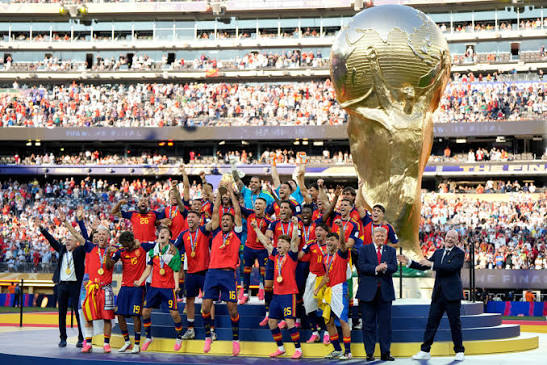
Professional sports delivered another reminder of why the final minutes can change an entire contest, with major league fixtures producing dramatic comebacks, tense finishes, and performances that kept supporters watching until the last whistle or final possession. At the same time, international sports federations are preparing for a demanding schedule of regional tournaments, creating a crowded calendar in which athletes, coaches, officials, and organizers must balance competition with recovery. We are seeing a sporting environment where timing, preparation, squad depth, and mental resilience matter as much as raw ability.
Late Game Comebacks Continue to Define Major Fixtures
The most compelling fixtures of the current professional sports calendar have shared one familiar feature: teams refusing to accept the result before the contest is truly over. A side that appears to be comfortably behind can suddenly find momentum through a defensive stop, a tactical change, a timely substitution, or one exceptional individual performance. Within a matter of minutes, the atmosphere inside a stadium can shift from quiet confidence to disbelief and then to celebration.
For supporters, these late rallies are among the most emotional moments in professional sport. The scoreboard may show a substantial deficit, yet players continue to push forward while coaches search for an opening. Every possession becomes more valuable, every defensive mistake carries greater consequences, and the pressure on athletes grows with each passing second. We often remember these moments long after the statistics from the rest of the match have faded.
Late game execution also provides a useful measure of competitive character. Physical talent can establish an advantage during the opening stages of a fixture, but maintaining concentration under extreme pressure requires a different quality. Athletes must make quick decisions while tired, communicate clearly, and remain disciplined when the natural temptation is to rush.
Why Momentum Can Change So Quickly
Several factors can contribute to a late comeback. Tactical adjustments are often the first visible change. A coach may alter defensive positioning, introduce a faster attacking approach, or give younger players an opportunity to change the rhythm of the contest. In sports where possession changes rapidly, one successful sequence can create another, allowing confidence to spread across the team.
Psychology also plays a central role. The team leading late in a fixture can become cautious because it is focused on protecting its advantage. Meanwhile, the trailing side may become more aggressive because the pressure of having nothing left to lose can produce greater freedom. That contrast can alter the character of a contest remarkably quickly.
We should also consider the physical demands placed on professional athletes. A late rally is rarely created by one moment alone. It can reflect weeks of conditioning, tactical preparation, medical support, recovery work, and careful management of playing time. When a team remains energetic during the closing stages, the difference may have been established long before the match began.
International Federations Face a Crowded Athletic Calendar
While professional leagues continue their regular fixtures, international sports federations are preparing for upcoming regional tournaments that bring another layer of pressure to the calendar. These events require athletes to move between competitions, training camps, travel schedules, and national or regional commitments. For some competitors, the challenge is not simply reaching peak performance but sustaining it through a sequence of important events.
International competition carries particular significance because athletes are often representing more than a club. They may be competing for a national program, a regional team, or a federation that has invested years in their development. The emotional weight can be considerable, especially for athletes who have waited several seasons for an opportunity to compete on a larger stage.
Federations therefore face difficult scheduling decisions. They must consider venue availability, broadcasting requirements, travel logistics, athlete welfare, weather conditions, training periods, and the timing of other competitions. The goal is to produce a calendar that gives fans meaningful contests without placing unreasonable physical demands on the people expected to perform in them.
Athlete Recovery Is Becoming Central to Competition Planning
Recovery has become one of the most important elements of modern sports preparation. A congested schedule can reduce the amount of time athletes have to restore energy and address minor physical problems before the next fixture. Even when a competitor remains available for selection, fatigue can affect reaction time, decision making, coordination, and concentration.
This is especially relevant when professional league fixtures overlap with international tournaments. Coaches may have to decide whether to use experienced players for every available match or rotate the squad to protect long term performance. Those decisions can be difficult because supporters understandably want to see the strongest possible lineup, while athletes need enough recovery time to remain healthy and effective.
Sports medicine teams increasingly contribute to these decisions through workload monitoring, recovery assessments, training adjustments, and communication between clubs and national programs. The broader objective is not simply to keep athletes on the field but to create conditions in which they can perform at a high level without unnecessary physical strain.
Regional Tournaments Bring New Opportunities for Emerging Athletes
A busy international calendar can also create valuable opportunities for athletes who are still establishing themselves. Regional tournaments often provide a stage for younger competitors to test their ability against experienced opponents. A strong performance in such an event can change the trajectory of a sporting career, leading to greater recognition, stronger professional opportunities, or selection for larger international competitions.
For developing athletes, the experience can be as valuable as the result. Playing in front of a large crowd, managing travel, handling media attention, and competing under pressure teach lessons that cannot always be reproduced during ordinary training sessions. These experiences help athletes learn how to respond when the stakes become significantly higher.
Fans should therefore look beyond the biggest names when following upcoming regional competitions. Some of the most meaningful stories may come from competitors making their first major appearance, returning after a difficult season, or carrying the expectations of a community that has followed their progress for years.
The Wider Importance of International Sports Governance
International federations play a major role in maintaining consistent competition standards. Rules, athlete eligibility, officiating procedures, venue requirements, safety protocols, and tournament organization all depend on effective governance. The Olympic movement and international sporting community provide a broad example of how competition is coordinated across countries and sporting disciplines.
Good governance also requires attention to fairness and athlete welfare. Competitive integrity depends on clear rules and consistent enforcement, while the credibility of a tournament depends on participants and supporters believing that the competition is being managed responsibly. As international schedules become more demanding, federations will face continued pressure to demonstrate that commercial and sporting priorities do not come at the expense of athletes.
What Fans Can Expect From the Next Stage of Competition
The combination of intense professional fixtures and approaching regional tournaments should create a particularly interesting period for sports audiences. Late game rallies are likely to remain a major source of excitement because teams are increasingly capable of adapting their tactics during a contest. Meanwhile, international tournaments will give supporters opportunities to discover new players, follow emerging rivalries, and see how athletes respond to the demands of a compressed schedule.
For fans, following the fixture calendar carefully can provide a better understanding of why teams rotate players, why certain athletes receive limited minutes, and why some contests may carry greater strategic importance than their position on a league table suggests. The story is not always contained in the final score. Sometimes the most revealing details are found in how a team manages fatigue, responds to adversity, and prepares for its next challenge.
Why the Final Minutes Still Matter Most
The enduring appeal of competitive sport comes partly from its uncertainty. A match can appear settled until one possession, one save, one sprint, or one tactical decision changes everything. That uncertainty gives late game rallies their extraordinary emotional power and explains why supporters continue to believe in a comeback even when the odds appear unfavorable.
As international federations move toward another demanding phase of regional competition, the ability to manage pressure will become increasingly important. Teams will need depth, athletes will need discipline, and organizers will need to balance ambition with responsible scheduling. For the competitors walking onto the field, court, track, or arena, however, the central task remains remarkably simple: stay ready for the next moment.
That mindset can define an entire tournament. A team that keeps competing when the result looks beyond reach may discover an opportunity that others have already stopped searching for. The latest professional fixtures have once again demonstrated that lesson, while the approaching international calendar promises another series of contests in which resilience, preparation, and composure could decide the outcome when the pressure is at its highest.