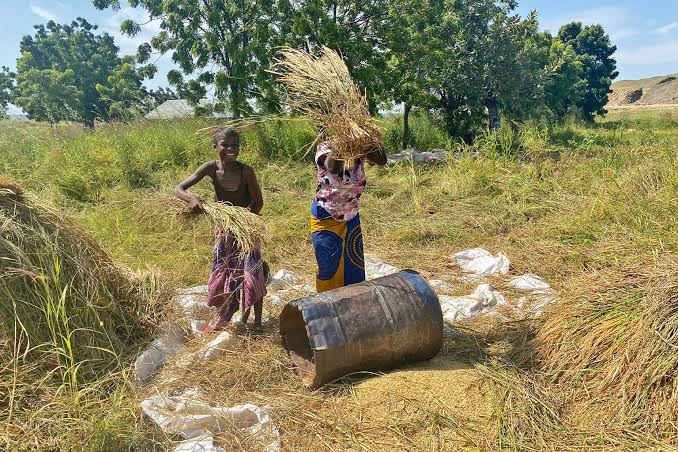
The United Nations Food and Agriculture Organization is warning that increasingly severe weather disruptions are putting additional pressure on global grain supplies, with crop losses and weaker export volumes creating fresh risks for food security. International agricultural data released on September 2, 2026, points to a difficult reality for governments, farmers and households: when drought, heat, floods and other extreme conditions strike major growing regions, the effects can travel far beyond the fields where crops are grown.
Extreme Weather Is Becoming a Global Grain Trade Problem
Grain markets depend on a relatively small number of major producing and exporting regions. Wheat, maize and rice move through an enormous international network connecting farms, storage facilities, ports, shipping companies, processors and retailers. A severe weather event in one important agricultural region can therefore affect prices and availability thousands of miles away.
The latest warning from the Food and Agriculture Organization comes as countries continue dealing with increasingly unpredictable agricultural conditions. Extreme heat can reduce yields during critical stages of crop development. Drought can limit planting and irrigation. Heavy rainfall can damage mature crops, flood farmland and delay harvesting. Storms can also disrupt roads, railways and ports needed to move agricultural products into international markets.
We often think about food security in terms of whether enough food exists globally. The situation is more complicated. Food can be available somewhere in the world while becoming difficult or expensive to access elsewhere because of damaged crops, restricted exports, transportation problems or rapidly rising prices.
Why Lower Export Volumes Matter
When a major grain producing country experiences a poor harvest, domestic governments may prioritize their own populations. Exporters can restrict shipments to protect local supplies or stabilize domestic prices. That response can be understandable from a national perspective, but it can create additional pressure on international markets.
A reduction in export availability can lead buyers to compete for fewer shipments. Import dependent countries may then have to pay more for wheat, maize or other staple commodities. Those higher costs can eventually reach flour, bread, animal feed and other everyday products.
For lower income households, the impact can be particularly painful. A modest increase in food prices may be manageable for a family with financial reserves, but the same increase can force another household to reduce the quantity or quality of food it purchases.
Wheat, Maize and Rice Face Different Climate Pressures
Not every grain responds to extreme weather in the same way. Wheat production can suffer when high temperatures occur during flowering and grain filling. Maize is particularly sensitive to heat and water stress during important stages of development. Rice production depends heavily on reliable water availability, while excessive flooding can damage fields and infrastructure.
These differences make global agricultural planning difficult. A strong harvest in one crop cannot always compensate for losses in another. Wheat is essential for bread and many processed foods, while maize is also widely used for livestock feed and industrial products. Rice remains a critical staple for billions of people.
Heat Can Damage Crops Before Harvest
Farmers do not need to experience a complete drought for extreme heat to become a serious problem. Several days of unusually high temperatures at the wrong stage of plant development can reduce yields even when fields receive some rainfall.
This creates a difficult forecasting environment. Agricultural markets depend on expectations as much as they depend on final harvest numbers. If traders, governments and food companies believe a major crop will be smaller than expected, they may adjust purchasing and inventories before the harvest is complete.
Climate Disruptions Can Travel Through the Supply Chain
A damaged harvest is only the first part of the problem. Once crops leave the farm, they still need to be stored, transported and processed. Extreme weather can interfere with each stage.
Flooding can close roads that connect farming communities with grain elevators. Severe storms can disrupt rail networks and port operations. Heat can create additional challenges for workers and infrastructure. Drought can also affect rivers used to transport bulk agricultural commodities.
The result can be a situation where grain exists physically but cannot move efficiently to the countries and consumers that need it.
This is why food security planning increasingly requires governments to look beyond agricultural production. Storage capacity, transport networks, insurance, emergency reserves and international trade agreements can all influence how effectively countries respond to a poor harvest.
Import Dependent Countries Face Greater Exposure
Countries that rely heavily on imported grain are particularly vulnerable when global supplies tighten. They may have limited domestic production and few alternatives when international prices rise.
Governments in these markets can respond through strategic grain reserves, diversified import sources and improved agricultural productivity. However, building resilience takes time. A country cannot quickly create new farmland or replace an established international supplier after a major weather disruption.
The Food and Agriculture Organization maintains extensive international information on agricultural production, food security and commodity markets, providing governments and researchers with data used to monitor these risks.
Farmers Are on the Front Line of the Risk
Behind every crop forecast is a farmer making decisions under uncertainty. Planting a field requires spending money on seed, fertilizer, fuel, labor and equipment before the farmer knows whether weather conditions will cooperate.
A drought can reduce yields after those costs have already been incurred. Heavy rainfall can make harvesting difficult. Extreme heat can affect both crops and livestock. Repeated weather shocks can make farming financially difficult even when a single bad season might be survivable.
For farmers, adaptation can include drought resistant crop varieties, improved irrigation, soil conservation, altered planting schedules and better weather forecasting. Yet these measures often require investment that smaller farms may struggle to afford.
Food Prices Could Become More Sensitive to Weather Shocks
Consumers do not always see the connection between a distant weather event and the price of food at a local store. The relationship can involve several steps.
A crop loss can reduce available supply. Lower supply can increase wholesale prices. Higher commodity costs can affect processors and manufacturers. Transportation and energy expenses can add further pressure before products reach supermarkets and restaurants.
Not every weather event causes a major price increase. Global inventories, substitute crops, production in other regions and government policies can soften the impact. But when several producing regions experience problems at the same time, the ability of the global market to compensate becomes more limited.
International Cooperation Is Becoming More Important
Climate related agricultural risks do not respect national borders. A drought may occur in one country, but its economic consequences can reach dozens of importing nations. That makes international cooperation essential to maintaining stable food markets.
Governments can help reduce volatility by maintaining transparent trade policies, sharing crop information, improving early warning systems and avoiding unnecessary restrictions that intensify shortages. International organizations can also help countries identify emerging risks before they become full scale food crises.
The World Food Programme works with governments and humanitarian partners on food security and emergency assistance, particularly in places where vulnerable communities face serious shortages or disrupted access to food.
What Governments and Food Companies Can Do
The latest warning reinforces the need for practical preparation rather than waiting for individual disasters to become international emergencies. Governments, agricultural businesses and food companies can take several steps to reduce exposure to grain supply disruptions.
- Strengthen strategic food reserves and storage infrastructure.
- Diversify grain import sources rather than relying heavily on one supplier.
- Invest in climate resilient farming methods and water management.
- Improve agricultural weather forecasting and early warning systems.
- Protect transportation networks connecting farms with ports and markets.
- Maintain transparent trade policies during periods of supply stress.
Food companies can also examine their sourcing strategies. Businesses that depend heavily on a single geographic region may face greater disruption than companies with diversified suppliers. Building resilient supply chains can cost more in the short term, but severe shortages can be considerably more expensive.
The Bigger Food Security Challenge
The FAO warning arrives at a time when climate risk is becoming increasingly connected with trade, inflation and economic stability. Grain markets sit at the center of this relationship because staple crops support both direct human consumption and livestock production.
That means a disruption in grain supplies can spread through several parts of the food system. Higher maize prices, for example, can affect animal feed costs and eventually influence meat and dairy prices. Wheat shortages can affect flour and bakery products. Rice disruptions can have an immediate impact in countries where it forms a major part of the daily diet.
We should therefore view crop forecasts as more than agricultural statistics. They provide an early indication of pressures that can eventually reach households, businesses and governments.
A More Resilient Global Grain System Will Take Long Term Planning
The September 2 warning does not mean that a global food crisis is inevitable. International markets have significant capacity to adjust. Farmers can adapt, suppliers can redirect shipments and governments can release reserves when necessary.
But repeated extreme weather events can test those mechanisms. If multiple major producing regions experience serious losses close together, there may be less room for one market to compensate for another.
The most effective response is therefore a combination of better agricultural practices, stronger infrastructure, reliable data and responsible international trade. Farmers need tools that help them adapt. Governments need accurate information before shortages become severe. Consumers need stable access to affordable food. International institutions need enough cooperation to coordinate responses when national interests collide with global supply needs.
The grain trade has always depended on the ability to move food across borders. Climate disruption is now testing whether that system can remain reliable when the weather becomes less predictable. The challenge ahead is not simply producing more grain. It is building a food system capable of absorbing shocks without placing the greatest burden on the people who can least afford them.