Airlines are entering a new phase of the global energy transition as sustainable aviation fuel requirements in Europe begin influencing operating costs, route planning and ticket prices. On September 2, 2026, international airlines and aviation organizations highlighted capacity adjustments linked to the growing use of sustainable aviation fuel, commonly known as SAF, as European and international climate rules increasingly affect the economics of commercial air travel. For passengers, the change may appear first as a higher fare or an altered flight schedule, but behind those changes is a much larger effort to reduce aviation emissions without disrupting the global travel network.
Why Sustainable Aviation Fuel Is Becoming a Major Airline Issue
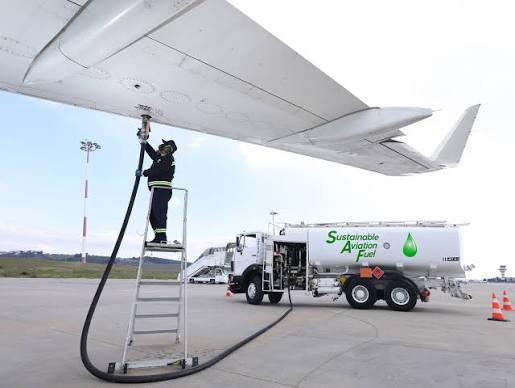
Commercial aviation depends heavily on liquid jet fuel, and replacing conventional fuel at the scale required by global airlines is a difficult industrial challenge. Battery powered aircraft are not currently practical for most long distance commercial routes, while hydrogen powered aviation remains under development. SAF therefore occupies an important position in the industry’s transition strategy because it can be used in existing aircraft and airport fuel systems when blended according to applicable standards.
The difficulty is supply. Airlines cannot simply decide to purchase unlimited quantities of SAF whenever they want. Production capacity remains limited compared with the enormous amount of conventional jet fuel consumed by commercial aviation. Sustainable fuel can also cost considerably more than traditional aviation fuel, depending on the feedstock, production method, location and market conditions.
As mandates require airlines and fuel suppliers to use increasing quantities of SAF, those costs become a significant part of airline financial planning. We are therefore seeing environmental regulation become closely connected with airfare structures, fleet decisions and route economics.
European Rules Are Sending a Signal Beyond Europe
Europe has positioned itself at the center of aviation decarbonization policy. The European Union’s ReFuelEU Aviation framework establishes requirements for sustainable aviation fuel at European airports, with the required share increasing over time. The policy is designed to create demand for cleaner aviation fuels and encourage investment in production capacity.
The effect is not limited to European carriers. International airlines operating flights from European airports must also account for the applicable requirements. This matters because major airlines often operate complex networks in which aircraft, crews and fuel purchasing arrangements move across multiple countries.
The European Commission’s ReFuelEU Aviation information provides the regulatory framework behind this transition and shows how European fuel requirements are being incorporated into the broader aviation emissions strategy.
How SAF Costs Can Reach the Passenger
Airfare is influenced by many variables, including fuel prices, airport charges, aircraft utilization, labor costs, taxes, competition and seasonal demand. SAF adds another variable because airlines must manage the cost of meeting environmental requirements while remaining financially competitive.
There is no single formula determining how much of an SAF related expense will appear in an airline ticket. Carriers may absorb some costs, pass some costs to passengers, purchase environmental credits where permitted, or adjust capacity and network planning.
For travelers, the practical result could be different pricing patterns between routes. A flight departing from a market with stricter fuel requirements may face different operating economics from a comparable flight elsewhere. Airlines may also evaluate whether certain routes generate sufficient revenue to justify the additional costs associated with compliance.
Higher Fares Are Not the Only Possible Outcome
It would be too simple to assume that every SAF requirement will automatically produce a large airfare increase. Airlines compete aggressively on price, and carriers have several ways to manage expenses.
Some may improve aircraft utilization, adjust schedules, use more fuel efficient aircraft, negotiate long term fuel agreements or modify capacity. Others may introduce separate environmental charges or incorporate sustainability costs into broader fare structures.
The final effect on passengers will depend on how fuel prices, SAF availability, airline competition and regulation interact.
Capacity Adjustments Could Become Part of the Response
International travel boards and airline organizations have highlighted capacity planning as carriers adapt to changing operating conditions. Capacity refers to the amount of available passenger service, including the number of flights and seats offered on particular routes.
If operating costs rise significantly, an airline may reconsider how frequently it serves a route. A service that previously operated several times each week could receive fewer flights if demand does not support the new economics. In highly competitive markets, however, airlines may have limited ability to raise fares without losing passengers to competitors.
This creates a delicate balance. Cutting flights can reduce costs, but it can also make an airline less competitive and reduce connectivity for communities that depend on air transportation.
SAF Production Is the Critical Bottleneck
The long term success of aviation fuel mandates depends heavily on whether production can expand fast enough to meet regulatory requirements. SAF can be produced through several technological pathways using different feedstocks and energy sources, but scaling production requires significant investment.
Producers need access to suitable raw materials, energy, financing, transportation infrastructure and reliable demand. Airlines, meanwhile, need confidence that sustainable fuel will be available at predictable prices.
This creates a classic investment challenge. Producers are more likely to build new facilities when they can see durable demand. Airlines are more comfortable committing to SAF purchases when production capacity is large enough to reduce supply uncertainty and potentially bring prices down.
Not All Sustainable Aviation Fuel Is the Same
The phrase sustainable aviation fuel covers several production approaches, and their environmental benefits can differ depending on how the fuel is produced. Feedstock sourcing, electricity use, production technology and transportation can all affect the overall emissions profile.
For policymakers, that means a successful mandate cannot focus solely on the quantity of SAF entering the aviation system. The environmental performance of the fuel also matters.
Airlines and regulators are therefore likely to pay increasing attention to lifecycle emissions, certification and traceability. A fuel should provide meaningful emissions reductions over its full production and use cycle rather than simply being labeled sustainable because it comes from a non conventional source.
Why Airlines Cannot Simply Wait for New Aircraft
Aircraft development operates on a much longer timeline than most consumer technology markets. Airlines typically keep aircraft in service for many years, and replacing a global fleet requires enormous amounts of capital.
That makes SAF attractive as a near and medium term option. Airlines can use compatible sustainable fuels with aircraft already operating across international networks, subject to applicable fuel specifications and blending limits.
At the same time, manufacturers continue working on more efficient aircraft and future propulsion technologies. New aircraft can reduce fuel consumption per passenger, but fleet renewal alone cannot immediately eliminate aviation’s dependence on liquid fuels.
Airlines Face a Difficult Balancing Act
The airline industry operates on relatively narrow margins compared with many other major industries, and fuel has historically been one of its largest variable expenses. Adding a more expensive fuel source creates a difficult commercial calculation.
Carriers must consider environmental requirements while protecting affordability, maintaining international connectivity and competing for passengers. A premium carrier serving business travelers may have more pricing flexibility than a budget airline whose customers are highly sensitive to even modest fare increases.
That difference could lead to varied strategies across the industry. Some airlines may make sustainability a larger part of their customer proposition, while others may focus primarily on operational efficiency and minimizing the effect on ticket prices.
What the SAF Transition Means for Travelers
Passengers should expect sustainability costs to become a more visible part of air travel economics. That does not mean every ticket will suddenly become substantially more expensive, but environmental fuel requirements are likely to become one of several factors influencing future fares.
Travelers comparing flights may increasingly encounter different pricing structures, especially on international routes connected with markets that have stronger SAF requirements.
For consumers, several practical considerations can help when planning future trips:
- Compare total ticket prices rather than focusing only on the base fare.
- Check whether environmental charges or other regulatory fees are included.
- Compare nearby airports when schedules and prices make alternative departure points practical.
- Consider flexible travel dates because capacity changes can affect pricing.
Europe’s Policy Could Influence Global Aviation Standards
The significance of European SAF requirements extends beyond the continent because international airlines operate interconnected networks. When a major aviation market establishes fuel standards, manufacturers, fuel producers, airports and airlines have strong incentives to adapt.
Other governments are also developing aviation climate policies, and international coordination will become increasingly important. Different national requirements could create additional complexity if airlines have to comply with multiple systems that measure sustainable fuel differently.
The International Civil Aviation Organization’s environmental program provides a broader view of international efforts to reduce aviation emissions and coordinate climate related action across the industry.
The Economics of Cleaner Flying Are Entering a New Phase
The SAF transition represents a significant change in the relationship between environmental policy and airline economics. For years, passengers largely experienced fuel price changes through conventional market fluctuations. Now, regulatory requirements are becoming another factor shaping how aviation fuel is purchased and priced.
That shift will test the industry’s ability to increase efficiency without weakening global connectivity. Airlines must find ways to manage additional fuel costs while maintaining competitive fares. Fuel producers must increase sustainable supply. Airports need appropriate infrastructure. Governments must provide rules that encourage investment without creating unnecessary market fragmentation.
What Comes Next for the Aviation Industry
The September 2 developments point toward a period in which sustainable aviation fuel will become increasingly central to airline planning. The immediate question is not whether aviation will need cleaner fuels, but whether production, infrastructure and policy can develop quickly enough to support the transition at a commercially manageable cost.
For travelers, the most visible consequence may be a gradual change in airfare structures rather than a single dramatic price increase. For airlines, the implications are much broader. Fuel procurement, route planning, aircraft utilization, fleet strategy and customer pricing are all becoming connected to the industry’s climate commitments.
We should expect the debate over SAF to continue because the competing priorities are substantial. Airlines need affordable fuel. Governments want meaningful emissions reductions. Producers need reliable investment signals. Passengers want reasonable fares and dependable service.
The success of the transition will ultimately depend on whether those interests can move in the same direction. If sustainable fuel production scales efficiently, it could become a practical part of aviation’s long term emissions strategy. If supply remains constrained while mandates increase, airlines may face greater pressure to adjust prices, capacity and routes.
Either way, the era when aviation fuel policy could be treated as a technical issue confined to regulators and fuel suppliers is ending. Sustainable aviation fuel is becoming part of the economics of the ticket passengers hold in their hands, the routes airlines choose to operate and the future structure of global air travel.