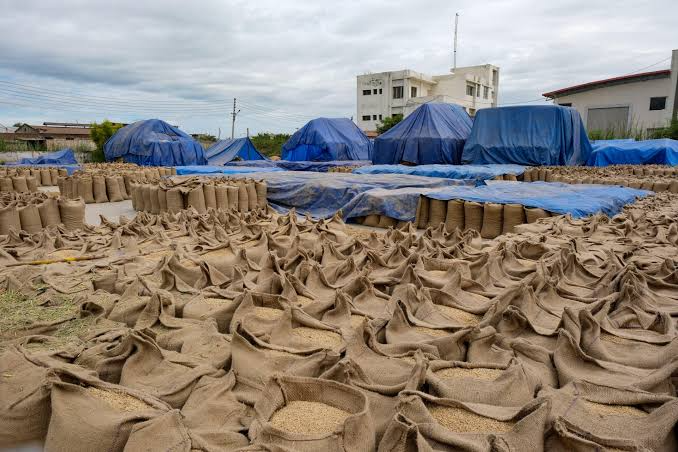
Representatives from more than 40 nations gathered on September 4, 2026, for a global food security summit focused on one of the most urgent challenges facing households and governments alike: keeping essential grain supplies moving despite disruptions to international trade routes. The meeting brought emergency supply corridors, food price volatility, agricultural logistics, and access to staple crops into sharp focus as policymakers sought practical ways to protect vulnerable populations from further market shocks.
Why Grain Supply Routes Have Become a Global Priority
For millions of families, the security of the food supply is measured in very ordinary moments. It is the price of bread at a neighborhood shop, the cost of flour in a local market, or whether a family can afford enough rice to make dinner. Yet behind those simple purchases is an enormous international network involving farmers, storage facilities, ports, shipping companies, traders, governments, and retailers.
When one part of that network is disrupted, the consequences can travel quickly across borders. Grain may be available in producing regions but unable to reach consumers because of damaged infrastructure, restricted shipping routes, higher transportation costs, insurance concerns, port congestion, or political instability. The summit therefore placed particular attention on maintaining reliable corridors through which wheat, corn, rice, barley, and other essential agricultural commodities can continue moving.
The challenge is especially significant because grain markets are interconnected. A disruption affecting one major exporting region can encourage buyers to compete for supplies elsewhere, putting additional pressure on prices. Import dependent countries may then face higher costs at precisely the moment when their populations are least able to absorb them.
More Than 40 Nations Seek Emergency Supply Solutions
The participation of more than 40 nations reflects the scale of the problem. Food security cannot be managed effectively by producing countries alone. Importing nations need dependable access to commodities, while exporting nations need stable trade relationships that allow farmers and agricultural businesses to plan production with greater confidence.
At the summit, discussions centered on securing emergency routes and improving coordination between governments involved in international grain movement. The objective was not simply to find alternative shipping paths during a crisis. A durable response requires better preparation before disruption occurs, including contingency planning, improved communication between authorities, and mechanisms that can respond quickly when normal trade channels are interrupted.
We should also recognize the human dimension behind these discussions. When governments debate shipping capacity and supply routes, families are often thinking about something much simpler: whether the money in their hands will buy enough food for the week. That connection between international policy and household budgets is what makes food security such a consequential issue.
Record High Price Shifts Add Pressure to Consumers
Another major concern at the summit was the movement of global staple crop prices. Sharp price changes can create difficulties for every part of the food chain. Farmers must decide what to plant and how much to invest, traders must manage unpredictable markets, governments may face higher import bills, and consumers can see grocery costs rise with little warning.
Wheat and rice are particularly sensitive commodities because they form a central part of diets across large parts of the world. Corn also plays a critical role in food production, livestock feed, and industrial uses. When prices move rapidly, the effects can extend far beyond the commodity itself.
For lower income households, even a modest increase in staple food prices can force difficult choices. Families may reduce the quantity or quality of food they purchase, delay other essential spending, or rely more heavily on inexpensive alternatives. Children and older people can be particularly vulnerable when prolonged food price pressures affect household nutrition.
Governments therefore have a strong incentive to prevent temporary supply disruptions from becoming prolonged food crises. Measures that improve market transparency and preserve access to emergency supplies can help reduce the risk of panic buying and sudden shortages.
Emergency Corridors Could Help Keep Food Moving
Emergency food corridors are designed to provide alternative pathways when normal trade routes become unreliable. Their effectiveness depends on more than simply identifying a different road, port, railway, or maritime route. The entire supply chain must be considered, including storage, customs procedures, insurance, transportation capacity, security arrangements, and final distribution.
A successful emergency corridor can give importers greater confidence that supplies will continue arriving even when a primary route is disrupted. It can also reduce the likelihood that markets will react to uncertainty with extreme price movements.
International cooperation is essential because agricultural supply chains frequently cross several national borders. A shipment may pass through multiple jurisdictions before reaching its final destination. If each government applies different emergency procedures, delays can quickly erase the benefits of an alternative route.
The summit’s focus on coordinated emergency planning therefore points toward a broader goal: creating systems that can operate under pressure rather than improvising after a crisis has already begun.
Food Security Requires Stronger Supply Chain Resilience
Reliable food supplies depend on resilience at every stage of production and distribution. Farmers need access to seeds, fertilizer, water, equipment, financing, and markets. After harvest, crops require adequate storage and transportation. Export infrastructure must be capable of handling large volumes, while importers need dependable distribution networks that can move food from ports to communities.
Investment in these systems can sometimes appear less urgent than emergency assistance because the benefits are not always visible. A warehouse that prevents grain from spoiling, a railway connection that reduces transportation delays, or a port capable of handling additional cargo may not attract headlines during normal conditions. Yet these assets can become extremely valuable when a major disruption occurs.
The United Nations has long treated food security as an issue closely connected with poverty, development, humanitarian stability, and international cooperation. The summit’s discussions reinforce that broader perspective by linking trade routes with the everyday availability and affordability of food.
What Governments and Food Companies Can Do Next
The immediate priority is keeping essential commodities moving, but longer term policy decisions will determine whether future disruptions produce manageable price fluctuations or severe shortages. Several practical areas deserve continued attention.
- Governments can establish clearer emergency trade procedures before disruptions occur.
- Import dependent countries can diversify their sources of staple crops where practical.
- Exporting nations can invest in ports, railways, storage facilities, and inland transportation.
- Food companies can improve supply chain visibility and maintain realistic contingency plans.
- International institutions can strengthen information sharing about crop availability, shipping capacity, and market conditions.
None of these measures can eliminate agricultural risk. Weather events, harvest failures, geopolitical tensions, transportation problems, and sudden changes in demand will continue to affect global food markets. The objective is to ensure that one disruption does not automatically become a much larger crisis.
Farmers Remain at the Center of the Food Security Debate
While international summits often focus on governments and trade infrastructure, farmers remain at the heart of the global food system. Their decisions determine how much grain enters the market, yet those decisions are made under considerable uncertainty.
Farmers must contend with changing input costs, unpredictable weather, access to financing, labor shortages, and volatile commodity prices. When international markets become unstable, the financial consequences can reach farms long before consumers see the full effect at retail stores.
Supporting agricultural producers through reliable market information, infrastructure investment, access to finance, and responsible trade policy can strengthen food security from the ground up. A resilient global food system needs both dependable international corridors and economically sustainable farms.
The Human Cost of Prolonged Food Price Volatility
Food inflation is never only an economic statistic. Behind every price chart are people adjusting their daily lives. A parent may buy less meat so there is enough money for flour and rice. A small restaurant may reduce its menu because ingredient costs have become unpredictable. A farmer may postpone equipment repairs because the return from the next harvest is uncertain.
These decisions accumulate. If high staple prices continue for months, they can affect nutrition, household savings, business stability, and social confidence. For countries already facing economic pressure, another major increase in food costs can be particularly difficult to manage.
That is why the international effort to secure grain corridors matters beyond trade policy. Reliable food distribution can help prevent temporary disruptions from becoming lasting hardship.
A Test of International Cooperation
The September 4 summit represents a broader test of whether countries can cooperate when food markets are under pressure. The participating nations have different agricultural systems, economic interests, and domestic priorities, but they share an interest in preventing shortages from spreading across borders.
For consumers, the success of these efforts will ultimately be measured in practical terms. Are staple foods available? Are prices reasonably stable? Can humanitarian organizations obtain supplies when they are needed? Can farmers sell their crops through functioning markets? Can importing countries plan with greater certainty?
These questions will matter long after the summit ends. Securing emergency routes is an essential first step, but lasting food security will require sustained investment in agriculture, transportation, storage, market transparency, and international cooperation.
What the Summit Could Mean for Global Food Security
The gathering of representatives from more than 40 nations sends a clear signal that grain supply disruptions are being treated as an international concern rather than isolated national problems. The focus on emergency corridors and staple crop pricing reflects a recognition that food security depends on keeping the entire supply chain functioning.
We should expect the strongest results to come from practical cooperation rather than short term promises. Countries that prepare alternative routes, strengthen agricultural infrastructure, share reliable market information, and coordinate during emergencies will be better positioned to protect both consumers and producers.
The stakes are high because food is different from many other traded commodities. People can postpone buying a new appliance or delay a nonessential purchase, but they cannot simply stop eating when prices rise. A stable food system is therefore a foundation for economic security, public stability, and human well being.
As governments continue working through the measures discussed at the summit, the central lesson is straightforward: protecting global food supplies requires preparation before the next disruption arrives. Keeping grain moving across borders, supporting farmers, and limiting destructive price shocks can help ensure that a problem in one part of the supply chain does not become a crisis for families thousands of miles away.
For further context on global food systems and international development priorities, resources from the United Nations provide a broader view of how food security connects with humanitarian needs, economic resilience, and sustainable development.