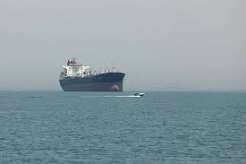
Shipping disruptions around the Strait of Hormuz are putting fresh pressure on fuel distribution and agricultural supply chains across the Middle East, Asia, and Europe, reviving fears that a narrow maritime chokepoint could send ripples through the global economy. As vessels face delays, rerouting decisions, security concerns, and higher operating costs, the effects are moving beyond ports and shipping companies. Petrol prices, fertilizer supplies, food transportation, insurance costs, and household budgets are all becoming part of the same story. For consumers thousands of miles from the Gulf, a vessel waiting offshore can eventually become a more expensive tank of fuel or a higher grocery bill.
Why the Strait of Hormuz Matters to Global Trade
The Strait of Hormuz is one of the most strategically important waterways on Earth. It connects the Persian Gulf with the Gulf of Oman and the wider Arabian Sea, creating a vital maritime route for energy shipments leaving major producers in the Gulf.
Its importance comes from geography. The waterway is relatively narrow compared with the enormous volume of commerce passing through it. Large tankers carrying crude oil, refined petroleum products, liquefied natural gas, and other commodities routinely use the route. When maritime security deteriorates, shipping companies cannot simply treat the disruption as a minor scheduling problem.
A vessel delayed in the Gulf can affect several stages of a supply chain. Refineries may have to adjust procurement plans, fuel distributors may seek alternative cargoes, traders may pay more for available supplies, and transport companies can face increased insurance and freight expenses. Those additional costs can eventually move through the economy.
The International Energy Agency regularly monitors global energy markets and the importance of major shipping routes to oil and gas security. Hormuz remains central to that discussion because a prolonged disruption could affect markets far beyond the countries immediately surrounding the waterway.
Fuel Deliveries Face the First Major Shock
Petroleum markets are particularly sensitive to uncertainty. Traders do not need to believe that all shipments will stop before prices begin reacting. The possibility of delays can be enough to encourage companies to secure replacement cargoes, build inventories, or pay a premium for alternative transportation.
Regional fuel markets are especially vulnerable because many countries depend heavily on imported petroleum products. A disruption can affect gasoline, diesel, jet fuel, and other refined products even when crude oil remains available elsewhere.
For motorists, the impact may not appear immediately. Fuel companies often hold inventories purchased before a disruption. Governments may also maintain strategic reserves or have access to alternative suppliers. But if delays continue, replacement cargoes can become more expensive and transportation costs can rise.
That creates a chain reaction. A delivery truck needs diesel to transport goods. A fishing vessel needs fuel to reach the sea. Agricultural machinery depends on petroleum products to prepare and harvest crops. Airlines depend on jet fuel. When transportation becomes more expensive, almost every physical supply chain can feel the pressure.
Agriculture Is the Less Visible Vulnerability
The consequences for food supplies can be more complicated than the effect on petrol prices. Agricultural markets depend not only on food shipments but also on fertilizers, fuel, machinery, packaging materials, and chemicals that may travel through the same broad regional trade network.
Countries that import significant quantities of grain, cooking oil, animal feed, fertilizer, or other agricultural inputs can become exposed when maritime transportation is disrupted. Even when the food itself is available, delays in fertilizer or fuel deliveries can create problems later in the production cycle.
Farmers operate according to planting and harvesting calendars. A shipment arriving several weeks late can therefore have consequences that extend beyond the original transportation delay. Higher diesel prices can increase the cost of cultivation, while more expensive fertilizer can alter planting decisions and reduce the amount farmers are willing or able to use.
Food distributors also face difficult decisions. They may have to purchase products from more distant suppliers, use different shipping routes, or hold larger inventories. Each choice carries additional costs.
Europe and Asia Are Watching the Situation Closely
The economic effects of Hormuz disruptions do not stop at the Gulf. Europe and Asia are deeply connected to global energy and commodity markets, meaning changes in shipping costs and supply expectations can spread quickly.
Asian economies are particularly significant in the energy equation because the region accounts for a large share of global oil demand. Refineries and importers may compete for alternative cargoes when Gulf shipments become uncertain. That competition can raise prices in markets that have no direct connection to the original maritime disruption.
European consumers can also be affected through international energy pricing. Even if European buyers obtain supplies from different regions, a reduction in available Gulf exports can tighten global markets. Oil is traded internationally, and major changes in supply expectations can influence prices across multiple regions.
This is why a shipping disruption in one narrow waterway can become a global commodity story. Markets respond not only to what is physically unavailable but also to what traders believe could become unavailable next.
Shipping Companies Face a Difficult Calculation
For ship operators, the decision to continue using a contested route involves more than fuel consumption. Companies must consider crew safety, vessel security, insurance coverage, port availability, cargo contracts, and the possibility of further delays.
Rerouting can reduce exposure to a dangerous area, but it can also add considerable distance and time. A longer voyage requires more fuel and may leave a vessel unavailable for its next assignment. For perishable agricultural cargoes, additional transit time can create another layer of risk.
Insurance is another important factor. Maritime insurers can reassess premiums when security conditions deteriorate. A route that was economically attractive under normal conditions may become significantly more expensive when war risk or security related coverage rises.
The International Maritime Organization provides an important global framework for maritime safety and shipping cooperation, particularly when security concerns threaten commercial navigation.
Ports Could Feel the Pressure Even Without Direct Damage
A maritime bottleneck does not require widespread physical destruction to disrupt trade. Delays alone can create congestion.
When ships arrive later than expected, ports must adjust berthing schedules, cargo handling, storage arrangements, and inland transportation. A delayed tanker can affect refinery planning, while a delayed container vessel can leave importers waiting for machinery, packaging materials, food products, or consumer goods.
Once congestion begins, the problem can become self reinforcing. Ships arrive in groups instead of according to their original schedules. Terminals become busier. Trucking companies receive sudden increases in demand. Warehouses need additional capacity. Importers then face higher logistics costs.
For businesses operating with limited inventories, these delays can become especially difficult. Large companies may have several weeks of stock available, while smaller businesses often depend on regular deliveries and have less financial room to absorb unexpected price increases.
Commodity Markets Are Watching More Than Oil
Oil tends to receive the most attention when Hormuz is disrupted, but traders are also watching natural gas, fertilizers, grains, edible oils, and other commodities. The common factor is transportation.
When shipping capacity becomes less predictable, the cost of moving goods rises. Traders may begin looking for alternative routes or suppliers, which can change regional price relationships. A commodity that is plentiful in one country can still become expensive elsewhere if transportation capacity is constrained.
That distinction matters for consumers. Global food prices are influenced by production, weather, energy costs, currency movements, transportation, storage, and trade policy. A maritime disruption can therefore become one additional pressure inside a much larger pricing system.
Governments Have Several Tools Available
Governments facing supply concerns can respond through strategic reserves, alternative import agreements, temporary regulatory measures, targeted subsidies, or increased monitoring of essential commodities. The effectiveness of these measures depends heavily on how long the disruption lasts.
Short interruptions can often be absorbed through inventories and alternative suppliers. A prolonged crisis is different. If businesses begin rebuilding inventories at the same time, demand for available cargoes can increase just when supply is becoming less certain.
Governments may therefore need to focus on keeping essential supply chains moving rather than attempting to control every price change. Clear communication can also reduce panic buying and unnecessary stockpiling, which can create shortages even when physical supplies remain adequate.
What Businesses Should Watch
Companies that depend on imported fuel, food, fertilizer, or maritime transportation should treat the situation as a supply planning issue rather than simply a shipping problem. The most useful response is to identify where exposure exists before a shortage becomes visible.
- Review inventory levels for essential fuel and agricultural inputs
- Check whether suppliers depend directly on Gulf shipping routes
- Evaluate alternative suppliers and transportation routes
- Monitor freight and maritime insurance costs
- Prepare for longer delivery windows and possible port congestion
Businesses can also benefit from separating temporary price volatility from genuine supply shortages. Paying significantly more for a replacement shipment may preserve operations during a short disruption, while a prolonged shortage may require a different procurement strategy.
Consumers Could Eventually Feel the Effects
For households, the most visible consequences could appear through fuel and food prices. The timing will vary by country because governments maintain different reserves, taxes, subsidies, and import arrangements.
A family filling a car at a petrol station does not see the tanker route behind the price on the pump. A shopper buying bread may not know whether the wheat, fertilizer, diesel, packaging, or transportation behind that product became more expensive. Supply chain disruptions are often invisible until their costs reach the final stage.
That is why panic buying can make matters worse. When consumers purchase substantially more fuel or food than they normally need, retailers can experience temporary shortages and distributors must replenish inventories more quickly. A measured approach is generally more helpful than reacting to every headline.
The Risk Depends on Duration and Scale
The central question for global markets is how long the maritime security disruptions persist and how broadly they affect commercial traffic. A short delay can be absorbed by inventories and alternative logistics. A prolonged reduction in shipping capacity would be much harder to manage.
Markets will also watch whether major energy producers can maintain exports through alternative routes and whether shipping companies continue operating through the Strait. The difference between isolated vessel delays and sustained disruption to a major trade corridor is enormous.
We should therefore be cautious about predicting a global shortage based solely on early shipping disruptions. Commodity markets can move sharply on expectations, but physical shortages take time to develop. The most serious economic consequences would emerge if transportation problems persist long enough to drain inventories and limit replacement supplies.
Hormuz Shows How Closely Energy and Food Security Are Connected
The current shipping bottlenecks are a reminder that energy security and food security cannot be treated as completely separate issues. Modern agriculture depends on fuel, fertilizer, transportation, refrigeration, packaging, and international trade. A disruption affecting one part of that network can eventually place pressure on another.
The Strait of Hormuz is therefore more than a shipping route on a map. It is a critical connection between energy producers, refineries, manufacturers, farmers, ports, retailers, and households across continents.
For Europe and Asia, the immediate concern is whether maritime disruptions remain manageable or develop into a sustained interruption. For businesses, the priority is preparing for higher costs and longer delivery times without creating unnecessary shortages. For consumers, the most sensible response is awareness without panic.
The global economy has repeatedly shown that supply chains can adapt when companies have time to find alternatives. But adaptation comes at a price. If shipping delays around Hormuz continue, the world will be watching not only the vessels moving through the waterway, but also fuel inventories, food markets, fertilizer availability, freight rates, and the prices ultimately paid by ordinary households.