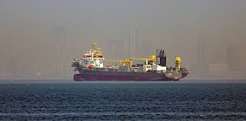
Global food markets are facing renewed pressure as Brent crude rises above $100 per barrel, increasing the cost of transporting, processing and producing agricultural commodities. The surge is pushing agricultural futures higher as traders assess how expensive energy could affect everything from farm operations and fertilizer production to ocean freight and food processing. For households already managing tight grocery budgets, the development raises an uncomfortable question: how much of the increase in global commodity costs could eventually reach supermarket shelves?
Why Oil Prices Matter to the Food Supply Chain
Food does not move from a farm to a consumer through a single transaction. Between planting and the final purchase, agricultural products can pass through machinery, storage facilities, processing plants, ports, ships, warehouses, trucks and retail distribution centers. Almost every stage consumes energy directly or indirectly.
When crude oil becomes significantly more expensive, those costs can spread through the supply chain. Farmers may pay more for fuel used by tractors and irrigation equipment. Food processors can face higher energy bills. Transport companies may pay more to move crops between production areas, ports and distribution centers. Shipping companies also face higher fuel expenses when moving commodities across oceans.
This is why a sharp move in crude prices can influence agricultural markets even when weather conditions and harvest forecasts have not changed. Commodity traders look beyond the crop itself and consider the cost of getting that crop to the people who need it.
Agricultural Futures React to Rising Production and Transport Costs
Agricultural futures markets provide an early indication of how traders view potential changes in commodity prices. Contracts linked to crops such as wheat, corn, soybeans and other major agricultural products can respond quickly when energy markets experience a major shock.
Higher oil prices do not automatically mean every food commodity will rise by the same amount. Each crop has its own supply and demand conditions. Weather, planting decisions, inventories, export restrictions, currency movements and global consumption can have a larger influence than energy costs in some circumstances.
Still, rising energy costs can create a broad upward pressure because they affect several parts of the agricultural economy simultaneously. Traders therefore watch crude oil alongside crop reports, weather forecasts, freight rates and currency markets when estimating future food prices.
Shipping Costs Could Become a Major Concern
International shipping is particularly important for food markets because agricultural commodities travel enormous distances. Grain, vegetable oils, animal feed and other products can cross oceans before reaching processors or consumers.
When marine fuel becomes more expensive, shipping companies may face higher operating expenses. Those costs can eventually appear in freight rates or influence the economics of particular trade routes. A shipment that was profitable under lower fuel prices can become considerably more expensive when energy costs rise sharply.
For countries that depend heavily on imported food, the effect can be especially significant. Higher transportation costs can raise the landed price of imported commodities even when the original agricultural price has changed only modestly.
This creates an additional vulnerability for nations that rely on global markets to secure wheat, cooking oils, grains or animal feed. A disruption in one part of the supply chain can become more expensive when fuel prices are already elevated.
Food Processing Is Another Pressure Point
Raw agricultural products often require substantial processing before they become familiar grocery items. Grain can be milled into flour, oilseeds can be crushed for cooking oil and animal feed, while many foods require refrigeration, drying, packaging or other energy intensive processes.
Higher energy expenses can therefore affect food manufacturers even when the price of the raw crop remains relatively stable. Companies have several options when costs rise. They can absorb the additional expense, reduce margins, improve efficiency or pass some of the increase to wholesalers and retailers.
The final outcome depends heavily on competition. A large food producer operating in a highly competitive market may hesitate to raise prices quickly because consumers can switch brands. Smaller businesses with limited margins may have fewer options.
Consumers May Feel the Impact Differently
Higher agricultural commodity prices do not move directly from futures markets into grocery receipts. The retail price of food reflects many layers of costs, including farming, processing, packaging, transportation, storage, labor, taxes and retail margins.
That means consumers may not immediately notice the full effect of a rise in crude oil. There can also be a delay between changes in commodity markets and changes in supermarket prices.
However, prolonged energy inflation can create broader pressure. If transportation and processing costs remain elevated for months, businesses may gradually adjust prices to protect their margins.
For families already watching every purchase, even modest increases can matter. A higher price for bread, cooking oil, meat or packaged foods may appear small on an individual receipt, but repeated increases across a weekly shopping trip can quickly become noticeable.
Developing Economies Face Greater Risks
Food and energy costs are closely connected to household financial security in many developing economies. Families that spend a large share of their income on basic food are particularly exposed to increases in commodity and transportation costs.
Import dependent countries can face additional pressure when higher oil prices coincide with currency weakness. If a nation’s currency loses value against the dollar, imported fuel and food commodities can become even more expensive in local currency terms.
Governments may respond through food subsidies, tax changes, strategic reserves or temporary trade measures. Such policies can provide short term relief, but they can also create pressure on public finances if elevated commodity prices persist.
Energy Costs Also Affect Fertilizer Markets
The relationship between energy and food prices extends back to the beginning of the agricultural cycle. Fertilizer production can be heavily influenced by energy costs, particularly natural gas prices for nitrogen based fertilizers.
When energy becomes expensive, fertilizer manufacturers can face higher production costs. Farmers then have to decide whether to absorb higher input expenses, reduce fertilizer use or accept lower margins.
Reduced fertilizer application can potentially affect future crop yields, although the outcome varies by crop, soil conditions, farming practices and regional weather. This creates a longer term connection between energy markets and agricultural supply.
The Food and Agriculture Organization of the United Nations provides extensive information on global food markets, agricultural production and food security, offering useful context for evaluating how commodity pressures can affect different regions.
Weather Remains a Critical Variable
Oil is only one part of the food price equation. Weather can quickly become more important if major producing regions experience drought, floods, excessive heat or other damaging conditions.
A strong harvest can offset some of the pressure created by expensive energy because abundant supply can keep commodity prices under control. A poor harvest can do the opposite, allowing energy costs to amplify an already difficult market.
This is why agricultural traders continuously monitor growing conditions in major producing regions. A combination of high oil prices and poor harvests would create a much more serious inflationary environment than either factor alone.
Global Trade Could Become More Expensive
Higher shipping and fuel costs can also influence decisions about where food is purchased. Importers may search for suppliers located closer to their domestic markets when transportation costs rise enough to change the economics of international trade.
Such changes can affect established agricultural trade routes. Countries that normally import from distant suppliers may seek alternative sources, while exporters could redirect shipments toward markets offering better returns.
The World Trade Organization tracks global trade conditions and provides broader context on how changes in transportation costs and international commerce can influence markets.
Businesses Are Likely to Focus on Efficiency
Food companies facing sustained cost pressure will have strong incentives to examine their supply chains more closely. Transportation routes, warehouse locations, inventory levels and energy consumption can all become targets for cost control.
Some businesses may increase local sourcing where practical. Others may negotiate longer contracts with suppliers or invest in equipment that uses less energy. Large companies generally have more tools available to manage volatility, while small food producers may have less financial flexibility.
For consumers, these adjustments can sometimes create benefits beyond the immediate crisis. Companies that reduce unnecessary transportation, improve storage efficiency and reduce food waste can lower costs while making supply chains more resilient.
What Could Happen If Oil Prices Stay Above $100
The duration of the oil price surge will be critical. A short period of elevated crude prices can often be absorbed by businesses through existing contracts, inventories and temporary reductions in margins. A prolonged period is more difficult.
If oil remains above $100 per barrel for an extended period, businesses may gradually adjust prices, renegotiate transportation agreements and reconsider sourcing strategies. Farmers could face higher operating expenses, while food processors and retailers may pass part of those costs through the supply chain.
At the same time, higher prices can eventually encourage changes in consumer behavior. Households may purchase less expensive alternatives, reduce waste, change meal choices or buy fewer premium products.
The Food Price Outlook Remains Highly Sensitive
The latest pressure on agricultural futures highlights how closely food markets are connected to energy and global transportation. A crop does not exist in isolation from the machinery used to grow it, the fuel required to move it or the energy consumed to process it.
For policymakers, the priority will be protecting food security without creating policies that distort markets for too long. For businesses, careful inventory planning and efficient transportation may become increasingly valuable. For consumers, comparing prices and reducing unnecessary food waste can provide practical ways to manage household budgets during periods of higher food inflation.
We should also remember that commodity markets can change quickly. Oil prices can fall, harvest forecasts can improve and shipping conditions can stabilize. The current pressure does not guarantee a permanent increase in grocery prices.
What is clear is that the global food system remains deeply connected to the energy market. When crude oil rises sharply, the effects can travel quietly through farms, factories, ships and warehouses before eventually reaching the dinner table. If elevated energy and shipping costs persist, the world’s food markets will face another difficult test of resilience, affordability and supply security.