Airlines, cruise operators, shipping companies and travelers are facing a rapidly changing map of international routes as military activity near the Strait of Hormuz prompts operators to avoid parts of a critical transportation corridor. The rerouting is adding distance, fuel costs and uncertainty to journeys that normally depend on one of the world’s most strategically important waterways and its surrounding airspace.
For passengers sitting in airport terminals far from the Gulf, the disruption may first appear as a changed departure time, a longer flight or an itinerary adjustment. For crews, shipping operators and travel planners, however, the situation involves much more complicated decisions about safety, fuel consumption, insurance, port access and the reliability of onward connections.
Why the Strait of Hormuz Matters to Global Transportation
The Strait of Hormuz is a narrow passage connecting the Persian Gulf with the Gulf of Oman and the wider Arabian Sea. Its geographic importance extends well beyond the countries immediately surrounding it. Large volumes of energy supplies and commercial cargo normally pass through the area, while nearby airports and maritime ports support regional and international transportation networks.
When security conditions deteriorate around such a concentrated corridor, transportation companies cannot simply treat the problem as a local delay. A change to one section of a route can affect aircraft rotations, cruise schedules, cargo connections, fuel planning and crew arrangements across several countries.
We have seen this pattern during previous periods of regional tension. Airlines can avoid sensitive airspace, while maritime operators may slow vessels, change routes or postpone port calls. Cruise companies face another layer of complexity because their itineraries are designed around multiple destinations and passenger expectations. A security concern at one location can force an operator to redesign an entire voyage.
Airlines Turn to Longer Flight Paths
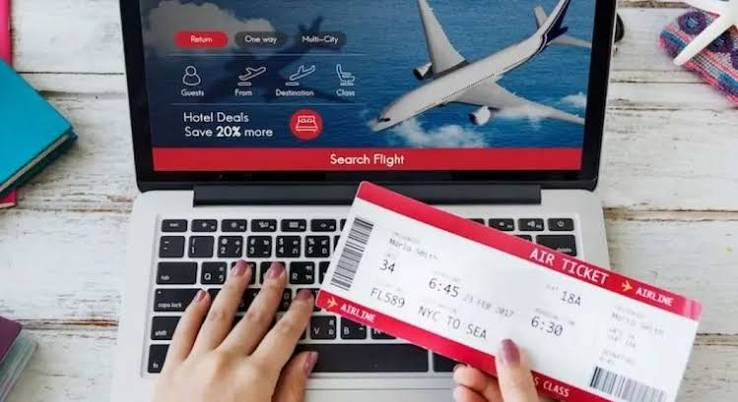
Commercial airlines responding to heightened security concerns typically evaluate available airspace before deciding whether an existing route remains suitable. When an area is considered too risky, aircraft can be directed around it, sometimes adding significant flying time.
For passengers, longer routes can mean later arrivals, altered connections and increased fuel surcharges or operating costs. A flight that previously followed a relatively direct path across the region may instead need to travel through alternative airspace before reaching its destination.
The operational consequences can continue after the aircraft lands. A longer outbound flight can delay the same aircraft’s next departure. That creates pressure across an airline’s schedule, particularly when aircraft are operating several international sectors during the same day.
Airlines also need to consider crew duty limits, fuel reserves and alternative airports. Safety decisions therefore involve much more than simply drawing a new line on a navigation map.
What Passengers Should Watch For
Travelers with upcoming flights through or near the region should pay close attention to airline notifications rather than relying only on the original itinerary. Schedule changes can happen as carriers reassess security information and airspace availability.
Passengers should check their connection times, verify airport changes and keep important travel documents accessible. Those traveling on complex international itineraries may also want to confirm whether a missed connection would be protected under the airline’s booking rules.
For broader aviation information, travelers can monitor updates and safety information provided through the Federal Aviation Administration and their individual airlines.
Cruise Operators Face a Different Challenge
Cruise companies have to balance passenger safety with itineraries that can span several countries. Unlike an airline journey, a cruise is not simply a trip from one airport to another. A single voyage may include multiple ports, excursions, fuel stops and scheduled activities.
If a port or maritime corridor becomes unsuitable, operators may remove a destination, extend time at another port or create a completely different route. These decisions can disappoint passengers who booked specifically for particular destinations, but security considerations can take priority over the original vacation plan.
Passengers may also notice longer periods at sea. That can change dining schedules, entertainment programs and shore excursion plans. Families and older travelers may face additional inconvenience when port calls are changed with limited notice.
The maritime industry is accustomed to adjusting routes because of storms, congestion and geopolitical risks. Yet prolonged disruption around a major trade passage can create wider consequences because vessels may have limited practical alternatives.
Shipping Costs Could Rise Beyond the Immediate Region
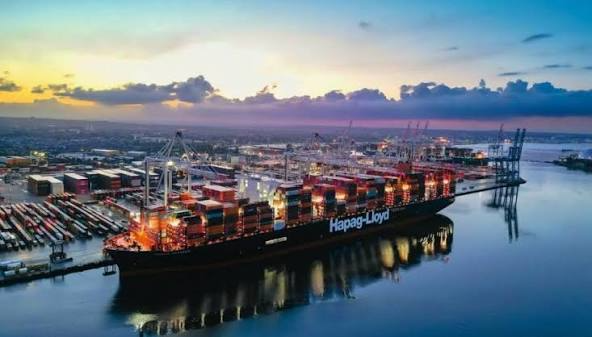
Rerouting commercial vessels can increase the distance required to move goods between major markets. More sailing time means higher fuel consumption and greater crew and operational costs. Insurance premiums can also become more significant when vessels operate in areas considered higher risk.
Those costs do not necessarily remain with shipping companies. Businesses importing fuel, machinery, food, consumer products and industrial materials may eventually face higher transportation expenses. Depending on the duration and scale of the disruption, some of those costs can reach wholesalers, retailers and consumers.
The effect is especially sensitive for industries that already operate with narrow margins. A company that depends on predictable delivery schedules may have to hold additional inventory or find alternative suppliers when transportation becomes less reliable.
Energy Markets Remain Closely Connected to the Crisis
The Strait of Hormuz has an outsized role in international energy transportation, which makes security developments in the area particularly significant for oil and gas markets. Any sustained concern about the movement of energy supplies can influence crude prices, freight costs and expectations for inflation.
Higher energy prices can affect aviation quickly because jet fuel represents a major operating expense for airlines. Maritime companies also face higher fuel bills when vessels travel longer distances.
This creates a feedback effect. Security concerns can force longer routes, longer routes require more fuel, and higher fuel consumption can increase transportation costs at a time when markets are already sensitive to supply disruptions.
Why Rerouting Does Not Mean Transportation Has Stopped
It is easy to interpret large route changes as a complete shutdown of regional transportation, but rerouting is generally a risk management response rather than an indication that all movement has stopped.
Airlines can use alternative corridors when authorities and carriers determine that those routes are suitable. Maritime companies can adjust voyages when practical alternatives exist. The key question is how long those alternatives remain available and how much additional cost they create.
We should also expect different companies to make different decisions. One airline may continue operating a route with additional precautions while another may choose a more conservative alternative. Cruise operators may cancel a port visit while another company maintains its planned itinerary.
The Human Cost Behind the Route Changes
Transportation maps can make disruption look abstract, but every altered route affects people. A delayed flight can mean missing a family event. A canceled cruise stop can disappoint travelers who saved for months for a particular vacation. A delayed cargo shipment can leave a small business waiting for essential supplies.
Flight crews, ship crews, airport employees, port workers and logistics teams also have to operate under changing conditions. Their work involves decisions that can affect the safety of thousands of passengers and large quantities of cargo.
For that reason, the strongest response from travelers is patience combined with preparation. A route change may be frustrating, but it can also represent an operator’s effort to reduce exposure to an unpredictable security environment.
What Comes Next for Global Travel
The duration of the disruption will depend heavily on developments around the Strait of Hormuz and the broader security situation in the region. If tensions ease, airlines and maritime operators could gradually restore normal routes. If military activity continues, companies may keep alternative paths in place for longer periods.
The longer the disruption lasts, the more likely it becomes that its effects will spread into ticket pricing, cargo rates, insurance costs and international supply chains. Airlines may have to redesign schedules, while cruise companies could reconsider future itineraries in the region.
Maritime authorities and governments will also remain central to the response. The International Maritime Organization provides an important international framework for maritime safety and cooperation as shipping companies navigate increasingly complicated security conditions.
A More Cautious Travel Environment
The latest rerouting decisions show how quickly international transportation can respond when a strategic corridor becomes uncertain. Modern aviation and maritime networks are designed for efficiency, but they also depend on stable airspace, secure waterways and predictable political conditions.
For travelers, the immediate lesson is practical: check flight and cruise updates regularly, allow extra time for connections and avoid assuming that an itinerary issued weeks earlier will remain unchanged. For businesses, the lesson is broader. Reliable transportation requires contingency planning, alternative suppliers and enough flexibility to absorb unexpected delays.
The Strait of Hormuz may occupy only a small space on the map, but its influence reaches airports, ports, factories and homes around the world. As airlines and maritime operators adjust their routes, the priority remains clear. Keeping people and crews safe comes before preserving the shortest possible journey, even when that decision carries financial and logistical costs.