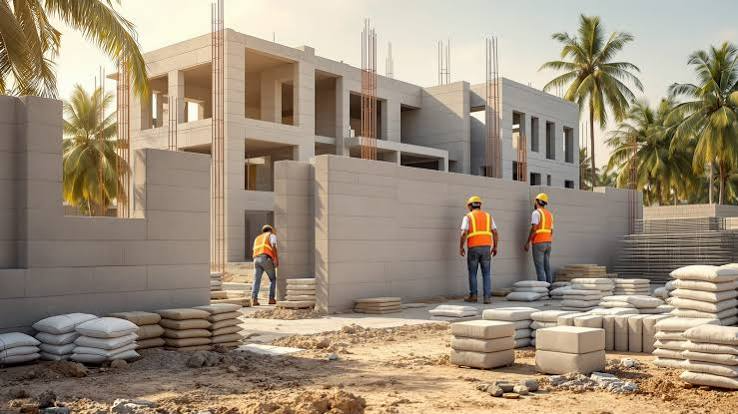
A new international push for greener building practices is placing low carbon and non toxic insulation materials at the center of residential construction and home improvement standards. Architectural and sustainability bodies are moving toward stricter expectations for materials used in new homes and renovation projects, reflecting growing concern about building emissions, indoor air quality, resource consumption and the long term environmental cost of construction.
Why Insulation Has Become a Major Climate Issue
When people think about making a home more sustainable, solar panels, efficient appliances and smart thermostats often come to mind first. Insulation is less visible, but it can have a lasting effect on how much energy a building needs throughout its life.
Good insulation helps maintain indoor temperatures by slowing the movement of heat through walls, roofs and floors. During winter, it helps keep warmth inside. During summer, it reduces the amount of outdoor heat entering living spaces. A properly insulated home can therefore require less heating and cooling, reducing energy consumption and potentially lowering household utility bills.
The material itself, however, also has an environmental footprint. Manufacturing, transporting, installing and eventually disposing of insulation can consume energy and resources. Some products may also raise concerns about chemical exposure or the environmental consequences of their production.
The emerging international standards are designed to address both sides of the problem. Buildings should consume less energy during operation, but the materials used to achieve those savings should also carry a lower environmental burden.
What the New Building Approach Means for Homeowners
For homeowners, the shift could eventually affect everything from major renovations to the insulation selected during a new home build. Rather than judging materials solely by their thermal performance, architects and builders may increasingly have to consider their ingredients, manufacturing processes, durability, recyclability and effect on indoor environments.
This represents a significant change in the way residential materials are evaluated. A product that performs well inside a wall may no longer be considered the strongest choice if its production generates excessive emissions or if it creates unnecessary health concerns during installation or use.
For homeowners planning renovations, the practical message is not that every existing insulation product must immediately be removed. Retrofitting decisions should be based on the age and condition of a building, existing insulation, local climate, moisture conditions and the expected energy savings from replacement.
A poorly planned insulation upgrade can create new problems. Moisture trapped inside walls can contribute to mold and structural deterioration, while unsuitable materials may perform poorly in a particular climate. Professional assessment therefore remains important when replacing insulation in an existing home.
Low Carbon Materials Move From Niche Choice to Building Priority
The construction industry has traditionally focused heavily on the energy a building consumes after completion. That approach is changing as policymakers and architects pay greater attention to what is sometimes described as embodied carbon.
Embodied carbon refers to emissions associated with the extraction of raw materials, manufacturing, transportation, construction, maintenance and eventual disposal of building products. Insulation can contribute to this footprint even though its purpose is to reduce energy consumption once installed.
The challenge is finding the right balance. A material may require more energy to manufacture but provide excellent insulation for decades. Another product may have a smaller manufacturing footprint but require replacement sooner. A meaningful sustainability assessment therefore needs to consider the entire life of the building rather than one stage of production.
The United Nations Environment Programme has highlighted the importance of reducing emissions from buildings and construction, a sector with a substantial role in global energy use and climate pollution.
Natural and Recycled Insulation Attract Greater Attention
The new standards are expected to increase interest in insulation made from renewable, recycled or lower impact materials. Depending on local regulations and climate conditions, options can include cellulose made from recycled paper, wood fiber, cork, sheep wool and other bio based materials.
These products are not automatically better simply because their ingredients are natural. Performance, moisture resistance, fire safety, durability and responsible sourcing still matter. A sustainable building material must work safely in the environment where it is installed.
Recycled materials can also play a role. Insulation manufactured from recycled fibers or other recovered resources can reduce demand for newly extracted materials while giving discarded materials another use.
For architects, the growing range of products means material selection is becoming a more detailed exercise. The best solution may vary between a humid coastal region, a cold northern climate and a hot area where cooling dominates household energy consumption.
Indoor Air Quality Is Part of the Conversation
The focus on non toxic materials also reflects a growing interest in indoor environmental quality. Modern homes are often built to be highly energy efficient, which can reduce uncontrolled air movement. That makes ventilation design increasingly important.
Insulation itself is not necessarily a major source of indoor pollution when it is correctly selected and installed, but construction materials can contain substances that workers and occupants need to handle carefully. Adhesives, sealants, coatings and other products used alongside insulation can also influence indoor air conditions.
New sustainability standards that consider health alongside energy performance could encourage builders to look at the entire material system rather than evaluating insulation in isolation.
Health and Safety Matter During Installation
Construction workers may experience greater exposure to building materials than homeowners because they handle products directly during installation. Protective equipment, ventilation and correct installation procedures remain essential even when a material is marketed as environmentally friendly.
The term non toxic should therefore not be treated as a substitute for proper safety information. Builders and homeowners should review manufacturer instructions, certification information and local building requirements before selecting or installing insulation.
Why Retrofitting Existing Homes Could Become More Important
New construction receives considerable attention because architects can integrate energy efficiency from the beginning. Existing buildings present a much larger challenge.
Millions of homes around the world were constructed before modern energy efficiency standards became common. Some have inadequate insulation in roofs, walls or floors. Others have insulation that has deteriorated, settled or become damaged by moisture.
Retrofitting these properties can reduce heating and cooling demand without requiring demolition and reconstruction. That can extend the useful life of buildings while reducing the environmental cost associated with replacing entire structures.
For homeowners, a well planned retrofit can also improve comfort. Cold rooms, drafts and large temperature differences between floors can make an otherwise attractive home unpleasant to live in. Better insulation can help create more consistent indoor temperatures and reduce the strain placed on heating and cooling equipment.
Builders Face Higher Expectations on Material Selection
Construction companies will likely feel the impact of stricter sustainability standards through procurement requirements, product documentation and building certification systems. Builders may increasingly need information about where materials come from, how they are manufactured and how they perform over their expected service life.
This could create additional administrative work, particularly for smaller contractors. At the same time, clearer standards could make it easier for responsible builders to distinguish high quality sustainable products from materials that rely primarily on environmental marketing.
Certification will become increasingly important. Independent testing and transparent product information can help architects compare insulation products based on measurable characteristics such as thermal resistance, fire performance, durability and environmental impact.
Energy Efficiency Still Matters to Families
The environmental argument for insulation is closely connected to household economics. When a home loses less heat during winter or gains less heat during summer, heating and cooling equipment does not have to work as hard.
That can reduce energy consumption, although actual savings depend on many factors. Climate, electricity and fuel prices, building design, window performance, ventilation and occupant behavior all influence household energy use.
For families facing high energy bills, insulation can therefore be part of a broader efficiency strategy. Sealing unwanted air leaks, improving windows, maintaining heating equipment and using efficient cooling systems can work together with insulation improvements.
The Global Construction Industry Faces a Larger Sustainability Challenge
The debate over insulation is part of a much larger transformation in construction. Buildings consume significant amounts of energy, while the production of cement, steel, glass and other construction materials contributes to global emissions.
The International Energy Agency provides extensive data and analysis on energy consumption and efficiency through its official energy resources. Its work illustrates why improving building efficiency is relevant not only to individual households but also to national energy systems.
Reducing demand through better building envelopes can lower pressure on electricity grids during periods of extreme heat and cold. At a larger scale, more efficient buildings can make it easier for countries to meet energy and climate objectives while maintaining comfortable indoor conditions.
Will Sustainable Insulation Become More Affordable?
Cost remains one of the biggest questions surrounding greener building materials. Some lower impact insulation products can carry higher upfront prices than conventional alternatives, particularly where manufacturing capacity is limited.
However, prices can change as demand grows. Greater production, improved supply chains and stronger competition may eventually reduce costs. Government incentives and building efficiency programs could also influence the economics of residential retrofits.
Homeowners should be careful not to compare insulation products based solely on purchase price. A cheaper material may not necessarily be the least expensive option over the lifetime of a building if it performs poorly, requires frequent replacement or provides limited energy savings.
What Homeowners Should Ask Before a Renovation
Anyone considering an insulation upgrade can take several practical steps before purchasing materials. The first is to determine where the building is actually losing energy. A professional energy assessment can identify weak points in the building envelope and prevent money from being spent on unnecessary work.
Homeowners should also ask whether the proposed material is appropriate for their climate and building structure. Moisture management, fire performance and ventilation need to be considered alongside thermal performance.
- Check the material’s thermal performance and expected service life.
- Ask how the product performs under local moisture and temperature conditions.
- Review fire safety and installation requirements.
- Look for credible environmental and health certifications.
- Compare the full lifetime cost rather than only the purchase price.
A New Standard for What Sustainable Construction Should Mean
The movement toward low carbon and non toxic insulation reflects a broader change in the definition of a sustainable building. Energy efficiency remains essential, but it is increasingly being considered alongside material sourcing, indoor health, durability, waste reduction and the environmental cost of construction itself.
For architects and builders, this means sustainability cannot simply be added at the end of a project. Material choices need to be considered from the planning stage. For homeowners, the change could eventually provide clearer information about which renovation products deliver meaningful environmental and practical benefits.
We should also recognize that no single insulation material will solve the building sector’s climate challenges. Different climates, construction methods and household needs require different solutions. Strong standards should therefore encourage better choices without forcing every building into an identical model.
The most useful outcome of the new international direction would be a construction industry where energy efficiency, human health and environmental responsibility are considered together. If that approach becomes standard practice, the walls and roofs surrounding millions of families could quietly perform an important role in reducing energy demand and emissions for decades to come.