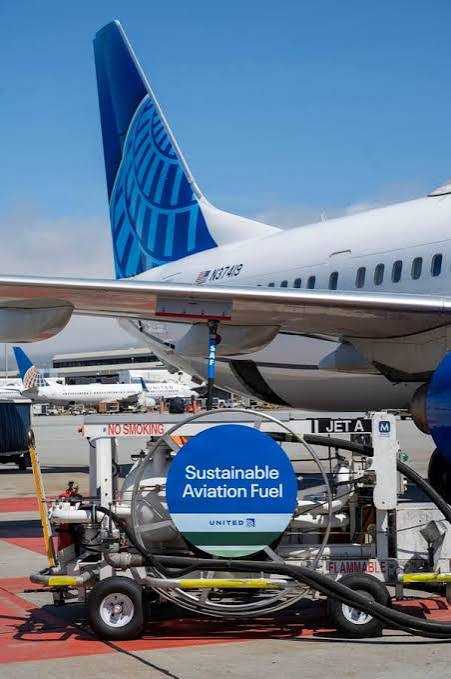
International airlines are increasing their focus on sustainable aviation fuel as the aviation industry looks for practical ways to reduce the climate impact of long distance travel. The latest industry developments, discussed on November 3, 2026, highlight growing interest in using certified lower emission fuel blends on international routes, including transoceanic services. While individual airline announcements and route specific blend percentages require confirmation, the wider shift is real: airlines, fuel producers, airports, and regulators are working to increase sustainable aviation fuel production and make it a more accessible part of commercial flight operations.
Why Sustainable Aviation Fuel Is Becoming a Priority
Every long distance flight requires a substantial amount of energy. Aircraft crossing the Atlantic or Pacific can remain in the air for many hours, carrying passengers, cargo, and essential goods between major economic centers. Conventional jet fuel releases carbon dioxide when burned, making aviation a difficult sector to decarbonize while maintaining the speed and global connectivity that modern travel depends on.
Sustainable aviation fuel, commonly known as SAF, offers one of the most immediate options for reducing aviation’s lifecycle greenhouse gas emissions. It can be produced from eligible waste materials, agricultural residues, used cooking oil, and other approved renewable sources. Some emerging production methods use renewable electricity, hydrogen, and captured carbon to create synthetic aviation fuel.
Unlike electric aircraft concepts that are currently better suited to smaller aircraft and shorter distances, SAF can be blended with conventional jet fuel and used in existing aircraft engines when it meets the required technical specifications. This compatibility makes it particularly relevant to international airlines operating long haul fleets that cannot easily switch to entirely different propulsion systems.
SAF Production Is Growing, but Supply Remains Limited
The industry’s ambition is considerably larger than its current production capacity. The International Air Transport Association estimates that global SAF production will reach approximately 2.4 million tonnes in 2026. That would represent around 0.8% of total annual aviation fuel consumption. Production increased from approximately 1 million tonnes in 2024 to 1.9 million tonnes in 2025, but the expected growth rate for 2026 remains a concern for airlines seeking to expand their use of the fuel.
The scale of the challenge becomes clearer when compared with long term climate goals. IATA estimates that aviation will need approximately 500 million tonnes of SAF annually by 2050 to support the industry’s pathway toward net zero carbon emissions. Reaching that level would require production to increase more than 250 times from the expected 2026 supply.
This gap helps explain why airlines are pursuing long term fuel agreements, supporting new production facilities, and working with airport operators and energy companies. A carrier cannot substantially increase SAF use simply by announcing an environmental target. It needs dependable fuel supplies, suitable airport infrastructure, verified sustainability information, and prices that can be managed within a competitive airline business.
The IATA sustainable aviation fuel program provides an overview of production pathways, supply challenges, and the industry’s long term requirements.
How Airlines Can Use SAF on Transoceanic Routes
Long distance international services are important candidates for expanded SAF use because aviation currently has few alternatives capable of powering large passenger aircraft across oceans. Airlines can arrange for certified SAF to be blended with conventional jet fuel and supplied through approved fuel infrastructure. The resulting fuel is then used in aircraft operating scheduled services, subject to applicable technical and regulatory requirements.
Passengers may not notice a difference during boarding or takeoff. SAF blends are designed to meet aviation fuel specifications, allowing compatible aircraft engines to operate without requiring passengers to change their travel routines. The environmental benefit comes from the fuel’s lifecycle emissions profile rather than from a visibly different flight experience.
However, the percentage of SAF used must be described carefully. A flight operating with a blend containing a certain share of SAF does not mean that the aircraft is powered entirely by renewable fuel. The conventional fuel portion remains part of the mixture, and the actual climate benefit depends on the amount of SAF used and how it was produced.
Certification Determines Whether Fuel Delivers Genuine Benefits
The word sustainable should not be treated as a guarantee of low emissions. Producing fuel from biological materials or waste can involve collection, transportation, processing, and energy consumption. If these stages require significant fossil energy, the overall climate benefit may be smaller than expected.
For this reason, international aviation frameworks assess fuel using lifecycle emissions calculations. These consider emissions associated with feedstock production or collection, processing, transportation, fuel conversion, distribution, and use in aircraft engines. The assessment can also account for indirect land use change, which occurs when demand for fuel feedstocks affects how land is used elsewhere.
The International Civil Aviation Organization administers sustainability requirements through its Carbon Offsetting and Reduction Scheme for International Aviation, commonly called CORSIA. Eligible fuels must satisfy approved sustainability criteria and come from producers certified under an ICAO approved sustainability certification scheme. Airlines need supporting documentation to claim the emissions reductions associated with eligible fuel use.
The ICAO guidance on eligible aviation fuels explains the certification requirements and the standards used to assess qualifying fuel. This process is important because it gives airlines, regulators, investors, and passengers a more consistent basis for evaluating environmental claims.
Different Technologies Are Expanding the SAF Supply
Most current commercial SAF production relies on pathways that process waste oils and fats into aviation fuel. One established method is Hydroprocessed Esters and Fatty Acids, commonly abbreviated as HEFA. It uses suitable fats, oils, and greases as feedstocks and can deliver substantial lifecycle emissions reductions when the raw materials and production process meet sustainability requirements.
But waste oils and fats are limited resources. They are also used in other industries, meaning aviation must compete with other sectors for suitable supplies. Expanding production will therefore require a wider range of technologies and feedstocks.
Other pathways can use agricultural and forestry residues, municipal waste, or alcohol based materials. Synthetic aviation fuel, sometimes called e SAF, can be produced using renewable electricity, hydrogen, and carbon dioxide. These technologies could help increase supply over time, although many projects face high construction costs, energy requirements, and challenges in reaching commercial scale.
Airlines and fuel developers will need to consider the full environmental impact of each pathway. A fuel source should not create pressure on food production, encourage deforestation, damage ecosystems, or place excessive demands on water resources. Strong certification and transparent lifecycle assessments are essential to maintaining public confidence.
The Financial Challenge Facing International Airlines
SAF is generally more expensive than conventional jet fuel, creating a difficult decision for airlines operating in a market where customers are sensitive to ticket prices. Fuel is already one of the largest operating expenses for commercial carriers. A significant increase in fuel costs can affect route profitability, ticket pricing, cargo rates, and investment plans.
Some airlines may absorb part of the additional expense, while others may use corporate travel agreements, voluntary passenger contributions, or dedicated environmental programs to help fund SAF purchases. Governments can also influence the market through production incentives, tax measures, public investment, and requirements for fuel suppliers to provide minimum sustainable fuel volumes.
Long term purchase agreements can provide fuel producers with greater certainty when financing new facilities. At the same time, airlines gain a clearer view of future supply and potential costs. These partnerships are particularly important for transoceanic operations, where a carrier may need reliable access to suitable fuel at several major international airports.
What Expanded SAF Use Means for Passengers
For travelers, the expansion of sustainable aviation fuel may eventually become a more visible part of airline environmental reporting. Passengers are increasingly interested in how airlines address emissions, particularly on routes where flying is difficult to replace with rail or other transport options.
Still, consumers should look beyond broad statements about greener flights. Useful information includes the actual SAF volume purchased, the share of fuel used on relevant operations, the certification standard applied, and the estimated lifecycle emissions reduction. A claim that an airline supports SAF production is not the same as proof that every aircraft in its fleet operates with a particular blend.
Corporate travel managers can also ask airlines for clear reporting on sustainable fuel programs when evaluating business travel arrangements. Such questions help encourage more transparent environmental reporting and make it easier to compare commitments with measurable action.
Why SAF Alone Cannot Solve Aviation Emissions
Although sustainable aviation fuel has an important role, it is not a complete solution to aviation’s climate impact. Airlines can also reduce fuel consumption through more efficient aircraft, improved flight planning, better maintenance, reduced unnecessary weight, and more efficient airport operations.
Air traffic management improvements can help aircraft avoid unnecessary holding patterns and inefficient routes. New aircraft designs and engine technologies may also reduce fuel use over time. For shorter routes, electric and hydrogen powered aircraft could eventually provide additional options, although significant technical and infrastructure challenges remain.
There is also a need to consider aviation’s non carbon dioxide climate effects, including nitrogen oxides, water vapor, and contrail formation. SAF may influence some of these effects depending on its composition, but the overall climate impact of a flight involves more than carbon dioxide emissions alone.
The Road Ahead for Sustainable International Flights
The aviation industry’s move toward greater SAF use represents a practical response to a difficult climate challenge. Certified fuel blends can be introduced into compatible aircraft operations without requiring airlines to replace their existing fleets, making them especially useful for long distance routes. Yet limited production, high costs, and the need for dependable certification remain major obstacles.
The next stage will depend on whether fuel producers can expand capacity, whether governments create stable investment conditions, and whether airlines commit to purchasing meaningful volumes. Progress should be judged through verified fuel use and lifecycle emissions reductions rather than promotional language or distant targets alone.
International aviation connects families, businesses, communities, and economies across oceans. Making those journeys more sustainable will require cooperation throughout the fuel supply chain, from feedstock producers and technology developers to airports, regulators, and airlines. Sustainable aviation fuel is not a simple answer, but with responsible production and transparent reporting, it can become an important part of a lower emission future for commercial air travel.