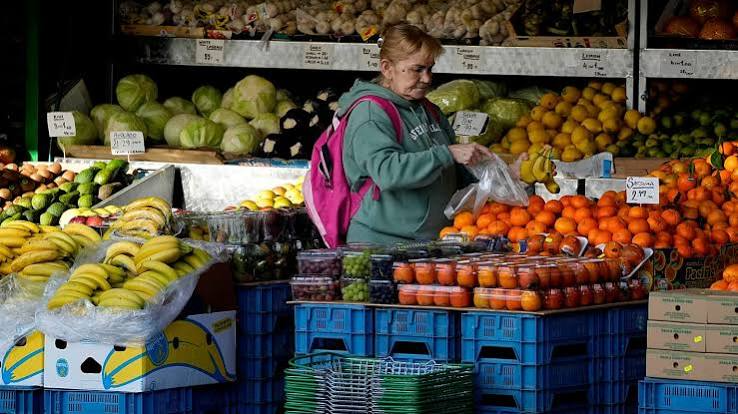
<p>Global food supply chains are facing a fresh cost shock as diesel prices reach record levels and fuel shortages spread across major markets. Diesel powers much more than freight trucks. It runs tractors, harvest equipment, delivery vehicles, construction machinery, fishing vessels and other parts of the infrastructure that moves food from farms to factories, warehouses, stores and ultimately household kitchens. As of September 21, 2026, the pressure is becoming increasingly visible across agriculture, transportation and food distribution, raising concerns that higher energy costs could feed into grocery prices in the months ahead.</p>
<p>The problem is especially difficult because food production cannot simply pause when fuel becomes expensive. A farmer cannot leave crops in a field because operating a combine has become too costly. A refrigerated truck cannot sit at a depot while fresh produce waits to spoil. Somewhere between the farm and the dinner table, every additional fuel expense has to be absorbed, shared or passed along.</p>
<h2>Why Diesel Matters So Much to the Food Supply Chain</h2>
<p>Diesel is one of the quiet foundations of modern food production. Consumers usually see the final price on a supermarket shelf, but that number reflects a long sequence of activities that begin well before the product reaches the store.</p>
<p>Farmers use diesel powered machinery to prepare fields, plant crops, harvest grain and transport agricultural products. Trucks then move crops and livestock between farms, processing facilities, distribution centers and retailers. Refrigerated transportation adds another layer of fuel consumption for products that must remain cold throughout their journey.</p>
<p>When diesel becomes significantly more expensive, the effect can appear at several points at once. A farmer may pay more to harvest a crop. A trucking company may increase its freight rates. A food processor may face higher delivery expenses. A supermarket may then receive products at a higher landed cost.</p>
<p>The result is not necessarily an immediate jump in every grocery price. Existing contracts, inventories and competitive pressures can delay the effect. But when elevated fuel costs persist, businesses have fewer options for absorbing them.</p>
<h2>Record Fuel Costs Are Squeezing Farmers During Harvest</h2>
<p>The timing is particularly difficult for agricultural producers in regions where harvesting is underway. Farmers rely heavily on diesel during periods when combines, tractors and transport vehicles may operate for long hours every day.</p>
<p>Reuters reported that US farmers are already dealing with record diesel prices during the 2026 harvest season. One Missouri farmer described using multiple combines, trucks and tractors, while a South Dakota farmer estimated that fueling a single combine could cost as much as $1,500 per day, roughly twice the previous year’s expense. </p>
<p>Those figures illustrate a difficult reality. Farmers cannot simply reduce fuel consumption in proportion to the price increase because harvesting must happen within narrow weather and seasonal windows. Waiting too long can create losses that are greater than the fuel savings.</p>
<p>For many producers, the immediate response is therefore to reduce other expenses, delay purchases, adjust equipment use or accept smaller margins. If high diesel prices continue into the next planting season, however, the pressure could eventually reach other agricultural inputs as well.</p>
<h2>Transport Costs Can Travel Quickly Through Food Markets</h2>
<p>Transportation is where the diesel shortage becomes especially visible to consumers. Food may travel hundreds or thousands of miles before reaching a supermarket. Grain can move from farms to elevators, processors and ports. Meat may travel from farms to slaughterhouses and processing facilities before reaching distribution centers. Fresh vegetables, fruit, dairy and seafood often require temperature controlled transportation.</p>
<p>Higher freight costs therefore affect both long distance transportation and the final delivery from regional distribution centers to stores.</p>
<p>In the United States, diesel prices have reached unprecedented levels in September. Reuters reported that global diesel shortages could persist into 2027 as inventories remain tight and disruptions affect major supply routes. </p>
<p>The broader pressure is also visible outside the United States. In Pakistan, goods transporters announced higher freight rates in September after diesel prices increased sharply, with local reports warning that additional transportation costs could place further pressure on essential food prices. </p>
<p>These developments show why fuel markets and food markets cannot easily be separated. A change at the fuel pump can eventually appear in wholesale prices, freight invoices and household budgets.</p>
<h2>Fresh Food Could Face Particular Pressure</h2>
<p>Perishable food has a special vulnerability because producers and retailers have less time to adjust their logistics. Milk, meat, seafood, fruit and vegetables cannot remain in storage indefinitely while companies wait for transportation costs to fall.</p>
<p>Refrigerated trucks also consume significant amounts of energy because they must maintain controlled temperatures during transportation. If diesel costs rise while refrigeration expenses remain high, distributors can face a double increase in operating costs.</p>
<p>That does not mean every perishable food item will immediately become dramatically more expensive. Retail competition, local production, existing inventories and consumer demand all influence the final price. But prolonged transportation pressure can gradually reduce the ability of suppliers and retailers to absorb higher costs.</p>
<h2>Food Producers Have Several Ways to Respond</h2>
<p>Businesses throughout the supply chain are likely to examine their operations closely as fuel costs remain elevated. Some responses can reduce fuel consumption, while others simply shift the timing or distribution of expenses.</p>
<ul>
<li>Reducing unnecessary vehicle trips and improving delivery routes</li>
<li>Combining shipments to increase the amount moved per journey</li>
<li>Using more fuel efficient agricultural equipment where possible</li>
<li>Increasing local or regional sourcing when transportation savings justify it</li>
<li>Reviewing freight contracts and delivery schedules</li>
<li>Improving warehouse planning to reduce unnecessary movement and storage costs</li>
</ul>
<p>These measures can help businesses manage pressure, but they cannot eliminate the underlying cost of diesel. A trucking company still needs fuel. A farmer still needs to operate machinery. A distributor still needs to move products from one location to another.</p>
<h2>Why the Impact May Take Months to Reach Consumers</h2>
<p>One reason consumers may not see the full effect immediately is that food supply chains operate through contracts and inventories. A supermarket may have purchased products weeks earlier under a freight agreement negotiated before diesel prices reached their latest highs.</p>
<p>As those agreements expire, newer transportation costs can gradually enter the system. The same process can happen with agricultural inputs. A farmer purchasing seed, fertilizer or other supplies for the next growing season may encounter costs that reflect current energy conditions rather than last year’s prices.</p>
<p>This creates a delayed inflation effect. The fuel price rises first, transportation companies react next, producers adjust their budgets afterward, and consumers may only see the full impact later.</p>
<h2>Energy Security Is Becoming a Food Security Issue</h2>
<p>The current situation also highlights a broader connection between energy security and food security. Modern agriculture depends on reliable fuel supplies, while global food distribution depends on predictable transportation networks.</p>
<p>The International Energy Agency has warned that global oil supply conditions remain under significant pressure in 2026, with disruptions contributing to unusually tight refined fuel markets. </p>
<p>When diesel inventories fall too far, the problem is not limited to motorists. Agricultural producers, freight operators, food manufacturers and retailers are all competing within the same energy system.</p>
<p>For governments, that makes fuel availability a matter that extends beyond transportation policy. Maintaining functioning agricultural and food distribution networks becomes increasingly important when energy markets are under stress.</p>
<h2>What Higher Diesel Prices Could Mean for Household Budgets</h2>
<p>For families already managing higher living costs, even modest increases in staple foods can become meaningful. Households with limited flexibility often spend a larger share of their income on necessities, leaving less room to absorb another round of price increases.</p>
<p>A rise in transportation costs does not affect every product equally. Foods that travel long distances, require refrigeration or depend heavily on machinery can face different pressures from locally produced products with shorter supply routes.</p>
<p>Consumers may respond by changing purchasing habits, buying seasonal products, choosing lower cost alternatives or reducing waste. Those choices can help individual households manage budgets, although they do not solve the underlying supply chain problem.</p>
<h2>Small Businesses Face Pressure Alongside Consumers</h2>
<p>Restaurants, bakeries, grocery stores and food distributors are also exposed to the diesel shock. A restaurant may pay more for deliveries while simultaneously facing higher prices for ingredients. A small grocery store may have less negotiating power than a major supermarket chain.</p>
<p>These businesses must decide whether to absorb the additional cost, adjust prices, reduce operating expenses or change suppliers. For companies operating on narrow margins, prolonged fuel inflation can become a serious financial challenge.</p>
<p>The pressure can be especially difficult for independent transport operators. They may have limited ability to negotiate fuel surcharges or spread costs across a large customer base. If diesel prices remain elevated for an extended period, some operators could face financial stress even when demand for their services remains strong.</p>
<h2>The Next Few Months Will Be Critical</h2>
<p>We should watch several indicators closely as the fuel shortage develops. Diesel inventories, refinery output, freight rates, agricultural input prices and wholesale food prices will provide clues about how quickly the energy shock is moving through the economy.</p>
<p>Weather will also matter. A strong harvest can partially offset higher production costs through greater supply, while poor weather can compound the problem by reducing agricultural output at the same time that fuel expenses are rising.</p>
<p>Government measures may also influence the outcome. Temporary assistance for farmers, changes to fuel policies, strategic fuel releases and efforts to improve supply availability can reduce pressure in some markets. Their effectiveness will depend on the duration and scale of the underlying shortage.</p>
<h2>A Fuel Problem That Reaches Far Beyond the Pump</h2>
<p>The latest diesel crisis reminds us how closely connected energy, agriculture, transportation and food prices have become. A truck driver sees the increase at the fuel station. A farmer feels it when a combine starts harvesting. A distributor sees it on a freight invoice. A retailer faces it when a shipment arrives. Eventually, consumers may encounter part of the same increase while standing in a grocery aisle.</p>
<p>There is no single solution that can remove these pressures overnight. More efficient logistics can help. Better fuel supply security can help. Strong agricultural planning can help. But the immediate challenge is keeping essential goods moving while producers and transport operators face some of the highest diesel costs in recent history.</p>
<p>For households, the most important question is not whether every food item will suddenly become expensive. It is whether high fuel costs remain elevated long enough to become embedded across the wider food supply chain. If the diesel shortage persists, the pressure on farmers, freight companies, food producers and retailers is likely to remain an important factor in global food prices through the months ahead.</p>