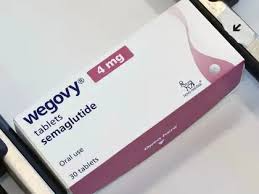
Novo Nordisk is setting an ambitious target for the next phase of its business, with Chief Executive Mike Doustdar reaffirming plans to launch more than five multi blockbuster medicines by 2030. The strategy comes as the Danish drugmaker prepares for a future in which its hugely successful semaglutide products face patent pressure in major markets. For a company whose recent growth has been closely tied to Wegovy and Ozempic, the next four years could determine how effectively it can build a broader portfolio beyond its best known medicines.
Novo Nordisk Places New Drugs at the Center of Its 2030 Strategy
Novo Nordisk presented the target on September 21, 2026, during its Capital Markets Day in London. The company said it aims to launch more than five multi blockbuster products by 2030 and generate more than 150 billion Danish kroner in pipeline sales by 2035. Novo also outlined plans for at least five phase three programs in obesity and diabetes and at least five phase three programs in other therapeutic areas.
The targets show how strongly the company is focusing on research and development as a way to broaden its revenue base. Novo has built an enormous commercial position around treatments for obesity and diabetes, but the company now faces a more competitive market and the eventual loss of exclusivity around important semaglutide products.
For investors, physicians and patients, the issue is therefore larger than the launch of a few new medicines. It concerns whether Novo can create a pipeline capable of supporting the company after its current generation of blockbuster treatments faces increasing competition.
Why Semaglutide Matters So Much to Novo Nordisk
Semaglutide is the active ingredient behind several of Novo Nordisk’s most commercially important medicines, including Ozempic, Wegovy and Rybelsus. The molecule has helped reshape the treatment market for type 2 diabetes and obesity and has become one of the most closely watched pharmaceutical products in the world.
The scale of that success creates a difficult business challenge. When a pharmaceutical company develops a medicine that becomes a blockbuster, the product can generate enormous revenue for years. But patents and other forms of market exclusivity do not last forever. As those protections expire, competing products can eventually put pressure on prices and market share.
Novo’s own published information lists US compound patent protection for semaglutide products through 2032. Patent status varies by country and by product, and additional patents covering formulations, manufacturing processes or uses can affect the overall exclusivity picture. That means the transition will not happen at one identical moment everywhere.
The company’s annual reporting makes clear that intellectual property protection is a central part of its long term commercial planning. More details about the company’s patent position are available through the Novo Nordisk corporate information.
A Broader Pipeline Could Reduce Dependence on Existing Blockbusters
The logic behind the 2030 target is straightforward. If several new medicines become major commercial products before the current generation begins facing stronger patent pressure, Novo can reduce its dependence on a small number of brands.
That does not mean every candidate in development will become a blockbuster. Drug development is inherently uncertain. Treatments must pass clinical trials, demonstrate an acceptable safety profile, obtain regulatory approval and then gain acceptance among physicians, patients and healthcare systems.
Even successful medicines can face pricing pressure, competing therapies and restrictions from insurers or government health programs. A pipeline target therefore represents a strategic ambition rather than a guarantee of future sales.
Still, the breadth of Novo’s current research effort provides an indication of where management wants the company to go. Obesity and diabetes remain central, but the company is also pursuing programs across other therapeutic areas in an effort to create additional sources of growth.
CagriSema Offers an Early Test of the Next Generation
One of the most closely watched candidates is CagriSema, a combination of cagrilintide and semaglutide. Novo announced new phase three results on September 21 showing that the investigational medicine produced greater average weight loss than a low dose of tirzepatide in adults with type 2 diabetes in the REIMAGINE 5 study.
Novo reported average weight loss of 12.4 percent with CagriSema compared with 9.1 percent with tirzepatide at the studied dose. The company also reported results from another trial involving adults with overweight or obesity without diabetes, where CagriSema produced a reported 21 percent weight reduction compared with placebo.
These results are significant for Novo’s pipeline, but they should not be treated as proof that CagriSema will automatically replace the commercial success of semaglutide. The medicine remains investigational, and regulatory review and commercial competition will shape its eventual position.
The results nevertheless illustrate the type of next generation treatment Novo is trying to bring forward as competition in obesity medicine becomes increasingly intense.
The Obesity Drug Market Is Becoming More Competitive
Novo Nordisk is no longer operating in an obesity market dominated by a single major player. Eli Lilly has established a strong competing position with tirzepatide based treatments, while other pharmaceutical companies are developing their own injectable and oral obesity medicines.
This competition matters because patients, doctors and healthcare providers have more choices. Drugmakers now have to compete not only on weight reduction but also on dosing convenience, side effects, cardiovascular and metabolic benefits, supply availability and price.
Novo has also moved into oral treatment with its Wegovy pill, giving the company another way to reach patients who may prefer tablets to injections. The company said in June that its Wegovy pill had passed three million prescriptions in the United States since its launch in January 2026.
The growing importance of oral medicines could become another major battleground. Novo has stated that it wants to increase manufacturing capacity enough to serve ten times more people with obesity using oral GLP 1 treatments by 2030.
Pricing Will Matter Alongside Scientific Innovation
Developing new medicines is only one part of the challenge. Novo must also determine how those medicines will be priced and positioned in healthcare systems where governments, insurers and patients are increasingly focused on affordability.
The company is already operating in a market where pricing pressure has become a significant issue. As competition increases, maintaining premium prices can become more difficult, particularly when alternative treatments offer similar benefits.
This creates a delicate balance. Novo needs sufficient revenue to finance research, clinical development and manufacturing while also making medicines accessible to patients and attractive to healthcare providers.
For patients living with obesity or diabetes, the commercial discussion has a very practical meaning. A medicine can only make a difference if patients can obtain it, afford it and continue using it as prescribed.
Research Beyond Obesity and Diabetes
Novo’s 2030 strategy also signals an effort to broaden its scientific focus. The company has outlined plans for at least five phase three programs in therapeutic areas outside obesity and diabetes.
That diversification could help reduce the company’s dependence on the GLP 1 market over time. It also reflects the reality that pharmaceutical companies need a continuous flow of new treatments because individual products eventually face competition or loss of exclusivity.
Cardiovascular disease, kidney disease and other conditions connected to metabolic health remain areas where Novo already has scientific experience. At the same time, the company has faced setbacks in some development programs, showing why pharmaceutical pipelines must contain multiple candidates rather than relying on one potential breakthrough.
What Investors Will Watch Between Now and 2030
The next several years will provide a series of measurable checkpoints for Novo’s strategy. Investors will likely watch whether promising clinical programs progress into late stage trials, whether regulatory approvals arrive on schedule and whether new products generate meaningful commercial demand.
Manufacturing capacity will also be important. The enormous demand for GLP 1 medicines has already demonstrated that pharmaceutical success can create supply challenges. Novo will need to coordinate research, production and distribution if several new products reach the market within a relatively short period.
Other indicators will include pricing trends, market share, research spending and the performance of competing medicines. The company’s stated ambition to serve more than 60 million patients globally by 2030 will also provide a longer term measure of how broadly its products reach patients.
The Patent Clock Is Part of a Larger Pharmaceutical Cycle
The pressure surrounding semaglutide illustrates a basic feature of the pharmaceutical industry. Breakthrough medicines can generate substantial value while protected by intellectual property, but companies must continually develop the next generation before existing products mature.
For Novo, that cycle is particularly visible because semaglutide has become so important to its recent growth. The company now has to build on that success without assuming that today’s leading medicines will maintain the same commercial position indefinitely.
We should therefore view the five or more blockbuster target as part of a broader transition rather than simply a product launch promise. Novo is trying to create enough new scientific and commercial momentum before the company’s current portfolio enters a more challenging stage.
What the 2030 Goal Could Mean for Patients
Behind the financial figures are millions of people living with chronic conditions that require long term treatment. New medicines can provide additional choices, different dosing options and potentially improved outcomes for some patients.
At the same time, more competition can influence affordability and access. If several companies successfully develop effective obesity and diabetes treatments, healthcare providers may have more options when deciding which therapies best fit individual patients.
That is why the coming years will be watched not only by investors but also by physicians, health systems and patients. The success of Novo’s strategy will ultimately depend on whether new medicines move successfully from laboratories and clinical trials into real world healthcare.
Novo Nordisk Faces a Four Year Test
Novo Nordisk enters the next stage of its growth story with a clear numerical ambition: more than five multi blockbuster launches by 2030, supported by a broad late stage development pipeline and a longer term sales target of more than 150 billion Danish kroner from pipeline products by 2035.
The company has important assets to build on, including extensive experience in metabolic disease, a large global commercial organization and a pipeline that includes next generation obesity treatments. Yet the competitive environment is changing quickly, and the eventual loss of semaglutide exclusivity adds urgency to the search for new growth.
For now, the most meaningful evidence will come from clinical results, regulatory decisions, product launches and real world adoption. If Novo can successfully move several promising candidates through that demanding process, the company will have a broader portfolio when semaglutide faces stronger patent pressure. If development setbacks or commercial competition limit those launches, the transition could become more difficult.
The next four years will therefore be closely watched. Novo Nordisk has set the target, but the path from an experimental medicine to a global blockbuster remains one of the most demanding journeys in the pharmaceutical industry.