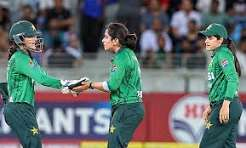
International sport is moving through a crowded and consequential stretch as the Aichi Nagoya 2026 Asian Games enter their final stages and national cricket teams prepare for major October assignments. On October 1, the Asian Games produced another dramatic day of competition in Japan, while England finalized a reshaped squad for an ODI tri series against Pakistan and Sri Lanka. For athletes, coaches and supporters, these events represent more than another week on the sporting calendar. They are moments when preparation, pressure and national expectation meet in front of packed stadiums and millions of viewers.
Asian Games Enter the Final Phase in Japan
The Aichi Nagoya Asian Games have already delivered a wide range of memorable performances across athletics, diving, table tennis, wushu and other sports. With several titles already decided, attention has shifted toward the remaining medal events and the final contests that will determine the last major champions of the Games.
The scale of the competition has created different stories for different countries. Some established champions have defended their titles, while younger athletes have used the continental stage to establish themselves. For host nation Japan, the home crowd has added another layer of emotion, with athletes competing in familiar surroundings while carrying the expectations that naturally accompany a home Games.
The Olympic Council of Asia has reported a series of dramatic results during the final phase, including major victories in athletics, hockey and cricket. The results show how quickly the medal picture can change as the Games approach their closing stages.
India and Pakistan Set Up a Cricket Gold Medal Final
Cricket has become one of the central stories of the Asian Games this week after India and Pakistan secured places in the men’s T20 final. Pakistan defeated Bangladesh in a semifinal shortened to 13 overs because of wet weather, chasing a target of 112 and reaching it in 11.3 overs. India then defeated Sri Lanka by 124 runs to secure the other place in the gold medal match.
India scored 169 for seven from its 20 overs, with Ishan Kishan producing an unbeaten 80 from 46 deliveries. Vaibhav Sooryavanshi added 38 runs, giving India the platform needed to put Sri Lanka under severe pressure.
The Sri Lankan response never developed. Jasprit Bumrah struck twice early, while India’s bowlers continued to take wickets at regular intervals. Sri Lanka were dismissed for 45 in the tenth over, sending India into the final.
The result means India and Pakistan will meet for the Asian Games men’s cricket gold medal on October 3. It will also be Pakistan’s first appearance in an Asian Games men’s cricket final. The Olympic Council of Asia confirmed that Sri Lanka and Bangladesh will compete for the bronze medal.
A Different Kind of Pressure for the Players
For the players, an Asian Games final carries a different atmosphere from a regular bilateral series. The medal ceremony is part of the larger continental competition, and every run or wicket contributes to a national sporting story that extends beyond cricket itself.
India enter the final as defending Asian Games champions, while Pakistan have reached the title match after navigating difficult weather conditions and a compressed semifinal. The circumstances give the contest its own character, separate from previous meetings between the two teams.
For fans, the appeal is equally clear. A gold medal will be decided in a single match, leaving very little room for recovery after a poor start. The players will have to manage the noise, the expectation and the pressure of knowing that the next few hours could define their entire Asian Games campaign.
Hockey Produces Another Major India Pakistan Encounter
Cricket is not the only sport producing a major India Pakistan contest at the Games. India defeated Pakistan 4 to 3 in the men’s hockey semifinal on October 1, advancing to the gold medal match against Malaysia.
The match developed into one of the day’s most dramatic contests. India built a 3 to 0 advantage by the 23rd minute, but Pakistan fought its way back into the game. With the score level late in the contest, a deflection from an Indian attack produced the decisive goal with only 49 seconds remaining.
The Olympic Council of Asia described the match as a tense semifinal that tested both teams. Malaysia reached the final after defeating Korea 2 to 1, setting up a championship contest between India and Malaysia.
The result also illustrates why Asian Games competition can be so demanding. A team can appear to have control for long periods and still face a completely different match before the final whistle. For athletes, maintaining concentration after gaining a lead can be just as difficult as producing the initial advantage.
Asian Games Champions Have Already Created Historic Moments
Several titles had already been settled before the October 1 schedule. Athletics provided some of the most memorable performances. Bahrain’s Winfred Yavi became the first athlete in Asian Games history to win the women’s 5000 meters, 10,000 meters and 3000 meter steeplechase at the same edition.
Japan also enjoyed a significant moment in men’s table tennis. Its team defeated China 3 to 2 in the final, securing Japan’s first Asian Games men’s team gold in the sport since 1966. The deciding victory came through Sora Matsushima, while Tomokazu Harimoto won both of his matches during the final.
China continued to collect titles across several disciplines. Its athletes dominated portions of the diving and wushu programmes, while Chinese teams also captured relay gold medals in athletics.
These results demonstrate the breadth of the Asian Games. While headline attention often focuses on cricket or major team sports, individual and smaller disciplines can produce some of the most meaningful stories for athletes competing for their countries.
England Finalizes Its Squad for the Pakistan Tri Series
While the Asian Games approach their conclusion, another major cricket storyline is developing in Pakistan. England has announced its 16 player squad for an ODI tri series involving Pakistan and Sri Lanka later in October.
Harry Brook will captain England, while Adil Rashid and Sam Curran return after recovering from injuries. The squad also includes three players who have not yet earned an ODI cap for England: Mason Crane, James Coles and Henry Crocombe.
The England squad includes Brook, Gus Atkinson, Sonny Baker, Tom Banton, Coles, Jordan Cox, Crane, Crocombe, Curran, Liam Dawson, Ben Duckett, Will Jacks, Jamie Overton, Rashid, Joe Root and Josh Tongue.
The International Cricket Council confirmed that the tri series will take place in Lahore and Rawalpindi from October 18 through October 31, with the final scheduled for Lahore.
Buttler and Archer Will Miss the Tour
England’s selection comes with two significant absences. Jos Buttler will miss the tour because of a hamstring injury sustained during England’s recent ODI series against Sri Lanka. Jofra Archer has also been left out, with England choosing to manage his workload following a busy summer.
Buttler’s absence creates an opportunity for Jordan Cox, who has already demonstrated his ability to contribute with both bat and gloves. Archer’s absence gives England an opportunity to assess other fast bowling options before an increasingly demanding international schedule.
Adil Rashid’s return provides England with an experienced spin option, while Sam Curran’s return adds another all rounder capable of contributing with both disciplines. Mason Crane’s selection is particularly notable because his last England Test appearance came years ago, making his return to the international setup an unusual chapter in his career.
The Tri Series Will Also Serve as World Cup Preparation
The October competition has importance beyond its immediate results. England, Pakistan and Sri Lanka are using the ODI matches as part of their preparation for the 2027 Cricket World Cup.
The schedule gives each side repeated opportunities against the other two teams. Pakistan will face Sri Lanka before meeting England, while the later matches in Lahore will provide players with experience under different pitch and weather conditions.
For coaches, a tri series can be especially useful because the tournament format allows teams to experiment while still playing meaningful international matches. Younger players can be tested alongside established names, while experienced players can refine their roles before the World Cup cycle reaches its decisive phase.
October Schedule Creates a Packed Cricket Calendar
The tri series begins with Pakistan facing Sri Lanka on October 18 in Rawalpindi. Pakistan then plays England on October 20, followed by Sri Lanka against England on October 22. England meets Pakistan again on October 25, Pakistan faces Sri Lanka on October 27, and Sri Lanka plays England on October 29.
The final is scheduled for October 31 at Gaddafi Stadium in Lahore. The repeated matchups should provide teams with useful information because weaknesses exposed in an earlier game can be addressed before the next meeting.
Why These Competitions Matter Beyond the Scoreboard
For viewers, international sport can sometimes appear to be a simple sequence of scores, medals and winners. For athletes, the experience is much more personal. A runner waits for the starter’s signal after years of training. A cricketer walks toward the crease knowing that thousands of supporters are watching. A hockey player faces the final minutes of a semifinal with a medal place depending on every defensive decision.
The Asian Games have brought these moments together across dozens of sports, while the upcoming Pakistan tri series will create a more concentrated cricket narrative later in the month.
We are also seeing an important transition between generations. Established players continue to carry major responsibilities, but younger competitors are increasingly being given opportunities on international stages. England’s inclusion of three uncapped ODI players is one example. Japan’s success in table tennis also reflects the impact of young athletes competing against established continental powers.
What to Watch as October Continues
The next few weeks will keep international sports audiences focused on several major developments.
- India and Pakistan will contest the Asian Games men’s cricket gold medal on October 3.
- India and Malaysia will meet for the men’s hockey gold medal after their October 1 semifinal victories.
- The remaining Asian Games medal events will determine the final champions of Aichi Nagoya 2026.
- England, Pakistan and Sri Lanka will begin their ODI tri series in Pakistan on October 18.
- England’s reshaped squad will provide opportunities for returning players and several emerging international prospects.
The sporting calendar is therefore moving from one major stage to another without much breathing room. The Asian Games are producing their final champions while international cricket teams are already preparing for the next major contests.
A Month of International Sport With Major Stakes
October 1 has offered a useful snapshot of where international sport stands. In Japan, medals are being decided after years of preparation. In Pakistan, cricket squads are being finalized for a tournament that will help shape World Cup preparations. Across both competitions, established stars are sharing the stage with athletes looking for the first defining moment of their international careers.
For supporters, the coming days offer the kind of competition that makes major sporting events memorable. Some stories will end with gold medals, others with painful defeats, and several will introduce athletes whose names may become familiar long after these tournaments have finished.
The results will ultimately be recorded in statistics and medal tables. The experience for the athletes will be much harder to summarize. Behind every final, every squad announcement and every international fixture are years of training, recovery, selection battles and personal sacrifice. That human effort remains the most compelling part of the Asian Games and the international cricket contests now shaping the next phase of the sporting calendar.