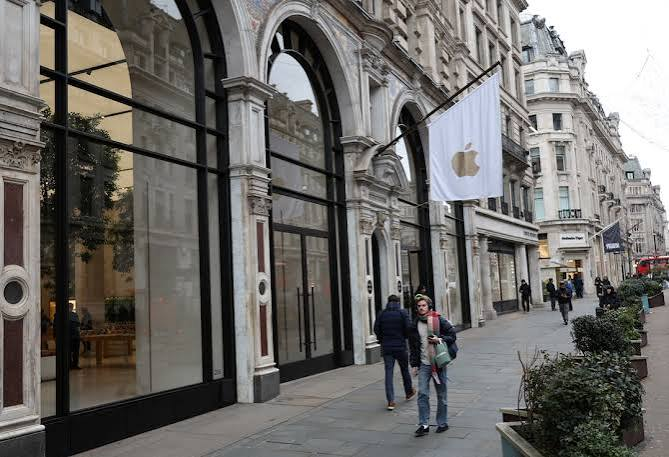
A major consumer competition case involving Apple and Amazon has cleared an important legal hurdle in the United Kingdom, allowing part of the lawsuit to move forward over allegations that an agreement between the companies restricted third party sales of Apple and Beats products on Amazon’s UK marketplace. The ruling does not establish that Apple or Amazon broke competition law. Instead, it determines that part of the proposed consumer claim has a sufficient basis to proceed to the next stage, putting the companies under renewed scrutiny over how products were sold through one of the UK’s largest online marketplaces.
What the UK Tribunal Decided
The Competition Appeal Tribunal issued its judgment on September 28, 2026, in proceedings brought by JLP A&A Class Representative Limited on behalf of consumers. The proposed collective action concerns an agreement between Apple and Amazon dating from 2018 and allegations that the arrangement limited which independent sellers could offer Apple and Beats products through Amazon’s UK marketplace.
The tribunal allowed the part of the claim concerning consumers who purchased Apple products through Amazon’s marketplace to proceed, subject to conditions involving funding and other procedural matters. The tribunal described that part of the case as having a credible factual basis for arguing that restrictions on independent resellers could have affected competition and prices. :contentReference[oaicite:0]{index=0}
At the same time, the tribunal rejected a much broader part of the proposed action. That rejected element sought to argue that the alleged restrictions also caused consumers to pay more when purchasing Apple products through Apple itself or through other retailers. The tribunal found that the proposed methodology for establishing that wider effect was not sufficiently credible at this stage. :contentReference[oaicite:1]{index=1}
That distinction is central to the case. The ruling is not a finding that consumers were overcharged. It is a decision about whether specific allegations have enough evidential and methodological support to be examined through collective proceedings.
The Agreement at the Center of the Dispute
The lawsuit focuses on an agreement between Apple and Amazon that was introduced in 2018. The claimant alleges that the arrangement resulted in most independent resellers being excluded from selling Apple and Beats products through Amazon’s UK marketplace.
From a consumer perspective, the issue is straightforward to understand. Online marketplaces often bring many sellers together in one place, allowing consumers to compare prices, delivery options and seller reputations. If fewer sellers are able to offer the same product, the competitive environment can change.
The claimant argues that the restrictions reduced competition and contributed to higher prices for consumers purchasing Apple products through Amazon. Apple and Amazon dispute the allegations. Apple has said the arrangement was intended to address concerns including counterfeit products, while Amazon has described the remaining case as without merit. :contentReference[oaicite:2]{index=2}
The tribunal’s decision therefore sets the stage for a more detailed examination of the evidence rather than providing a final answer about the legality of the companies’ conduct.
Why the Case Could Affect Millions of Consumers
The proposed class is substantial. The tribunal’s case summary says the proceedings were brought on behalf of an estimated 28.9 million consumers who purchased Apple products in the UK. The proposed action is structured as an opt out collective proceeding, meaning qualifying consumers can potentially fall within the class without individually starting separate lawsuits.
The claim concerns purchases made through Amazon’s UK marketplace during the relevant period. The proposed class period initially covers purchases beginning in 2018, with the claimant seeking to extend the period because the alleged restrictions are said to have continued. :contentReference[oaicite:3]{index=3}
The monetary value attached to the portion of the claim that survived the certification stage has been estimated by the claimant at between £289 million and £306 million, including interest. That figure is an estimate of the potential value of the claim and should not be confused with an award already ordered by the tribunal. :contentReference[oaicite:4]{index=4}
Why This Is Not Yet a Consumer Compensation Decision
For consumers who purchased Apple products through Amazon, the latest ruling may sound like an immediate compensation announcement. It is not.
Competition Appeal Tribunal proceedings can involve several stages before a final judgment determines whether a defendant is legally liable and whether consumers are entitled to compensation. Certification is an important procedural step because it determines whether a collective claim can proceed in the proposed form.
The tribunal’s September ruling means the relevant allegations can move forward subject to the conditions it identified. The eventual outcome will depend on evidence, economic analysis, legal arguments and the findings made at later stages.
Consumers should therefore distinguish between being potentially included within a proposed class and having already established a right to payment. Those are different legal positions.
A Second Attempt to Bring the Case Forward
The current proceedings follow an earlier attempt to bring a similar consumer action. The previous proposed class representative was Professor Christine Riefa, whose case was refused certification in 2025. The tribunal raised concerns relating to the proposed class representative and the litigation funding arrangements surrounding that action.
The claim was subsequently refiled with Justin Le Patourel as the proposed class representative. The latest judgment therefore represents a second attempt to obtain authorization for collective proceedings based on allegations concerning the same underlying commercial arrangements. :contentReference[oaicite:5]{index=5}
This history helps explain why the latest ruling contains detailed attention to procedure as well as the substance of the competition allegations. For collective actions involving millions of consumers, the tribunal must consider not only whether there is a plausible claim but also whether the proposed representative, funding structure and methods for calculating consumer losses are suitable.
The Broader Competition Question
At the heart of the dispute is a familiar question in modern retail markets: how should competition law treat agreements between major manufacturers and powerful online marketplaces?
Large marketplaces can provide manufacturers with enormous reach while also offering consumers convenience, price comparison and rapid delivery. At the same time, marketplace rules can influence which sellers have access to customers and how products compete against one another.
The legal question becomes particularly significant when a manufacturer and a dominant marketplace operator agree on restrictions affecting third party sellers. Such arrangements can have legitimate commercial explanations, including concerns about counterfeit goods, product quality, warranties and customer safety. But competition authorities and courts can also examine whether restrictions go further than necessary or reduce meaningful competition.
The UK case will therefore be closely watched beyond the individual dispute because its eventual findings could contribute to the wider discussion surrounding digital marketplaces, manufacturer agreements and consumer protection.
The Difference Between Amazon Purchases and Other Retail Purchases
One of the most significant elements of the tribunal’s ruling is its treatment of purchases made outside Amazon’s marketplace.
The claimant had sought to establish that the alleged restrictions on Amazon also affected prices paid by consumers who purchased Apple products directly from Apple or through other retailers. The theory was that reducing competition on Amazon could influence the wider UK market.
The tribunal did not accept that the available methodology provided a sufficiently credible basis for that broader claim at this stage. It therefore refused to certify the wider part of the proposed proceedings. :contentReference[oaicite:6]{index=6}
This does not necessarily mean that prices outside Amazon were unaffected in reality. Rather, the tribunal concluded that the evidence and proposed method for proving such an effect were not adequate for certification of that part of the collective action.
Apple and Amazon Remain Under Legal Scrutiny in the UK
The latest case is part of a wider pattern of competition litigation involving major technology companies in the United Kingdom. The Competition Appeal Tribunal is handling several collective actions involving major digital platforms, reflecting the growing use of competition law as a route for consumers and businesses seeking compensation for alleged anticompetitive conduct.
The tribunal’s official case record identifies Apple, Amazon and several related corporate entities as defendants in the proceedings. It also records that the certification hearing took place in June 2026 before the September judgment was issued. :contentReference[oaicite:7]{index=7}
The Competition Appeal Tribunal’s official case record provides the formal procedural history and documents associated with the action.
What Consumers Should Watch Next
The next stages of the case will be important for determining how the surviving claim develops. Funding arrangements and remuneration issues must be addressed before the proceedings can continue in the form authorized by the tribunal. Further evidence will also be required to establish whether the alleged restrictions actually harmed consumers and, if so, the scale of any losses.
For consumers, several developments will be worth watching:
- Whether the required funding and procedural conditions are satisfied
- How the proposed consumer class is ultimately defined
- What economic evidence is presented about prices on Amazon’s UK marketplace
- Whether the claimant can establish a measurable consumer loss
- How Apple and Amazon respond to the substantive allegations as the case develops
The case’s official consumer information website also explains the proposed collective action and identifies the consumers who may potentially fall within the claim. The UK Apple and Amazon consumer claim website provides information about the proceedings and the proposed class.
What the Ruling Means for the Technology Marketplace
For us as consumers, the dispute highlights something easy to overlook when buying a familiar product online. The price displayed on a screen is shaped by a much larger commercial system involving manufacturers, marketplaces, independent sellers, distribution agreements and competition rules.
When a marketplace contains many competing sellers, consumers may benefit from greater choice. When access to that marketplace becomes restricted, the competitive dynamics can change. Determining whether such a restriction is unlawful, however, requires detailed evidence rather than assumptions about prices or market power.
The September ruling leaves that substantive question open. Apple and Amazon have not been found liable by the tribunal, and no compensation has yet been awarded. What has changed is that a defined portion of the consumer allegations now has a route toward further examination.
A Closely Watched Test for Digital Competition
The Apple and Amazon proceedings will now move into a more substantive phase in which the evidence behind the surviving allegations can receive greater attention. The outcome could have implications for how consumers, manufacturers and online marketplaces think about reseller restrictions and competition in digital retail.
For millions of UK consumers, the practical interest is clear. If the claimant eventually proves that unlawful restrictions caused qualifying consumers to pay more, the case could lead to compensation. If the evidence does not establish liability or consumer losses, the claim could ultimately fail.
For now, the tribunal has drawn a careful line between allegations that have a sufficient foundation to proceed and broader theories that do not yet meet the required standard. That distinction is likely to remain central as the legal battle over Apple, Amazon and competition in the UK marketplace continues.