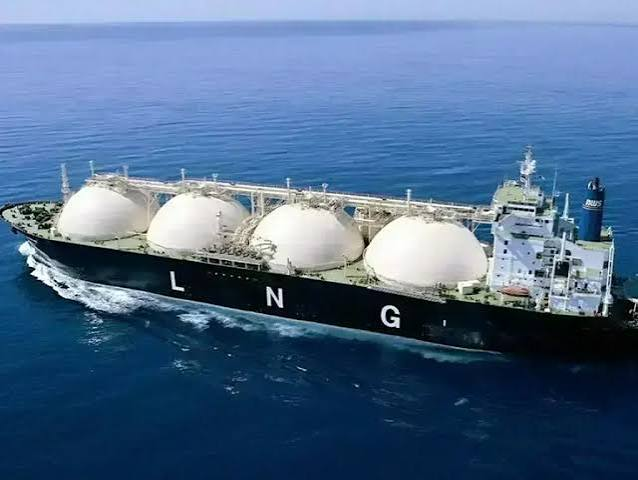
Liquefied natural gas shipments through the Strait of Hormuz reached their highest level since the Middle East conflict began, showing how energy traders, shipping companies and exporters are continuing to move critical fuel through one of the world’s most exposed maritime chokepoints. The September increase, documented by S&P Global Energy and shipping data providers, came despite military activity, elevated insurance costs and continuing concerns about the safety of commercial vessels in the Gulf.
LNG Traffic Reaches a New High Since the Conflict Began
The Strait of Hormuz has become one of the most closely watched waterways in the global energy market. In September, S&P Global Energy data showed 19 LNG shipments passing through the strait, including 13 cargoes from Qatar and six from the United Arab Emirates. Kpler data counted 21 shipments during the month, compared with 15 in June.
The increase represents a notable recovery from the severe disruption that followed the outbreak of the US and Israel conflict with Iran in February. Before the conflict, roughly 20 percent of global LNG trade passed through the waterway, according to S&P Global Energy. When commercial traffic declined sharply, energy buyers across Asia and Europe were forced to reconsider supply arrangements just as concerns about gas availability were increasing.
We should be careful about what the latest numbers mean. The September figures represent the highest monthly LNG traffic since the conflict began, rather than proof that the waterway has returned to completely normal conditions. Vessel movements remain affected by security assessments, insurance requirements, military activity and decisions by individual shipowners.
Qatar Remains at the Center of Hormuz LNG Traffic
Qatar is particularly important to the story because its LNG exports depend heavily on the Strait of Hormuz. The country is one of the world’s largest LNG suppliers, and its Ras Laffan export complex serves customers across Asia and Europe.
Recent vessel movements suggest that some Qatar linked LNG traffic has gradually resumed. Reuters reported that several QatarEnergy linked vessels were observed passing through the strait during September. Some ships were also reported to have temporarily switched off their automatic identification systems, a practice commonly described as a dark transit.
Ships using such practices can become harder for outside observers to track in real time. That does not by itself establish that a vessel is engaged in wrongdoing, but it illustrates the unusual operating conditions facing commercial shipping in the region. Companies have to balance the need to move cargo with concerns about security, insurance and visibility.
Some of the vessels later appeared outside the Gulf near India, with at least one cargo reported to have been delivered at Hazira. Other Qatar linked vessels were also observed returning to the region, suggesting that shipping activity is becoming more active even though the security environment remains unsettled.
Why the Strait of Hormuz Matters So Much
The geography of Hormuz gives it an importance that is difficult to replace. The narrow waterway connects the Persian Gulf with the Gulf of Oman and the wider Arabian Sea. Major energy producers including Qatar and the United Arab Emirates depend on access through the area for international trade.
S&P Global Energy has described Hormuz as the world’s most important energy chokepoint. Before the conflict, more than 100 vessels and roughly 20 million barrels of crude oil and refined products passed through the strait each day. LNG accounted for around 20 percent of global LNG trade during normal conditions.
That concentration creates a difficult problem for energy buyers. Natural gas can be produced in many parts of the world, but LNG must be transported aboard specialized vessels from liquefaction plants to receiving terminals. When a major shipping route becomes difficult to use, replacing those cargoes can require longer voyages, higher freight costs and competition for available supplies elsewhere.
Security Risks Have Not Disappeared
The increase in LNG traffic should not be mistaken for a complete return to safe and predictable shipping. S&P Global Energy has previously reported that vessel crossings through Hormuz fell by more than 80 percent after the conflict began. Shipping companies faced concerns over physical security as well as extremely expensive insurance arrangements.
The cost of moving an LNG cargo is particularly sensitive to disruptions because LNG carriers are specialized vessels with limited alternatives when a major route becomes difficult to navigate. A shipowner may need to consider security escorts, additional insurance, changes in voyage timing and the possibility of waiting outside the Gulf before entering the waterway.
Those costs eventually influence the wider energy market. Buyers can face higher delivered gas prices even when the physical volume of LNG available globally has not changed dramatically. Traders may also redirect cargoes toward whichever region is offering the strongest price signal.
Europe and Asia Compete for Available LNG
The Hormuz disruption has occurred at a time when Europe and Asia are already competing for flexible LNG supplies. European buyers have been working to maintain gas inventories ahead of winter, while Asian economies continue to depend on imported LNG for electricity generation, industrial activity and household energy needs.
US LNG has become increasingly important in that competition. Reuters reported that US LNG exports reached 10.9 million metric tons in September, up from 10.7 million metric tons in August. Europe received about 5.91 million metric tons, representing 54 percent of US exports, while Asian buyers received approximately 2.84 million metric tons.
That pattern illustrates how disruptions in one region can reshape trade far away from the original problem. A cargo that might otherwise have been available to an Asian buyer can become attractive to a European utility if European gas prices rise enough. Shipping distances, storage requirements and seasonal demand then become part of the calculation.
Qatar’s Supply Problems Continue Despite Higher Ship Traffic
Higher traffic through Hormuz does not mean that Qatar has fully restored its previous LNG export capacity. The conflict caused major disruptions to Qatari production and transportation, and QatarEnergy has continued to manage supply commitments under difficult conditions.
Reuters reported in late September that QatarEnergy had extended force majeure notices affecting deliveries to several customers, including Italy’s Edison and buyers in Asia. The company had also faced substantial losses in export volumes compared with the previous year.
This distinction matters because shipping activity and production capacity are separate issues. A vessel can safely enter the Gulf and load cargo, but that does not automatically mean that the producer can operate at its former capacity. Damage to infrastructure, operational restrictions and security concerns can continue to affect supply even after vessels begin moving again.
Energy Markets Are Watching Winter Demand
The timing of the recovery in Hormuz traffic is particularly significant because the Northern Hemisphere is entering the winter heating season. Europe has been closely monitoring storage levels, while Asian buyers are preparing for colder weather and potentially higher demand for electricity and heating.
A sustained increase in Gulf LNG shipments could provide additional supply flexibility. But a renewed security incident could quickly reverse that improvement. Traders therefore have to consider both the volume of cargoes moving today and the reliability of the route over the coming weeks.
S&P Global Energy has highlighted this uncertainty in its analysis of the Hormuz disruption, noting that market participants continue to watch cargo redirections, regional price differences and inventory management strategies. Its global energy market coverage provides ongoing data and analysis of LNG prices, shipping and supply conditions.
Shipping Companies Face a Difficult Calculation
For a captain preparing to enter Hormuz, the decision is far more immediate than the numbers seen in commodity market reports. A vessel carrying thousands of tons of LNG may spend days preparing for a voyage while operators assess military developments, insurance conditions and instructions from security teams.
The return of more vessels suggests that some companies believe the commercial opportunity justifies the additional risks. But individual operators can make different decisions based on their insurance arrangements, vessel ownership, cargo contracts and security assessments.
That means traffic figures can rise while the market remains fragile. A few additional cargoes can improve supply expectations, but they do not eliminate the possibility of another disruption.
What the Record September Traffic Could Mean
The latest LNG movements provide evidence that international energy trade can adapt even under severe pressure. Producers, buyers, traders and shipping companies have developed alternative arrangements, adjusted voyage plans and responded to changing prices.
At the same time, the data shows how dependent the global LNG system remains on a small number of strategic waterways. The return of 19 or 21 cargoes in September is significant because it demonstrates renewed activity, but the market still has to determine whether that level can continue through the winter.
We are therefore watching two stories unfold at the same time. One is a story of resilience, with LNG carriers once again moving through a route that had become extremely difficult to use. The other is a story of continued vulnerability, because every cargo passing through Hormuz still operates against a backdrop of military tension and elevated maritime risk.
A Critical Test for Global Gas Security
The coming months will reveal whether September’s increase represents the beginning of a more stable recovery or simply a temporary window of opportunity. Sustained LNG traffic through the Strait of Hormuz would give buyers greater confidence and could reduce some of the pressure created by disrupted Gulf supplies.
For consumers, the consequences may eventually appear through heating bills, electricity costs and the price of goods produced using natural gas. For governments, the episode reinforces the value of diversified energy supplies, adequate storage and multiple transportation routes.
For the global LNG industry, the September figures offer a cautiously encouraging signal without removing the underlying risks. More ships are moving through the world’s most important energy chokepoint, but security conditions remain uncertain. Until that uncertainty eases, every additional LNG cargo through Hormuz will continue to carry significance far beyond the vessel itself.