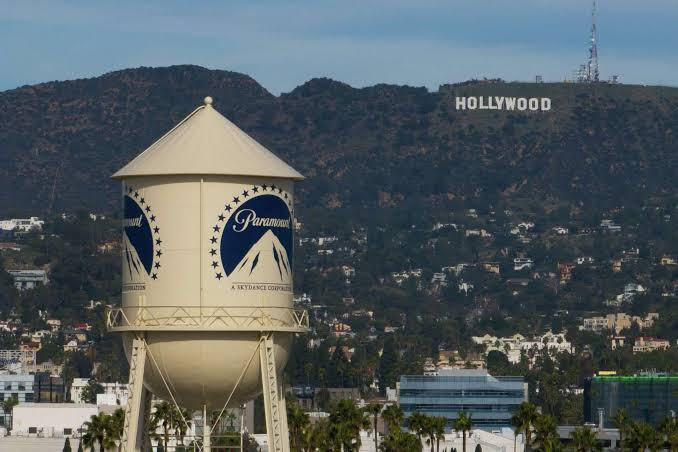
Hollywood is preparing for one of its most consequential corporate changes in years as the combined Paramount and Warner Bros. Discovery business moves toward adopting the Skydance name. The announcement, made ahead of the expected October 6 closing of the approximately $110 billion transaction, places David Ellison’s Skydance identity at the center of a company that will bring together some of the world’s most recognizable film studios, television networks, streaming services and entertainment franchises.
Why the New Company Will Be Called Skydance
David Ellison, chairman and chief executive of Paramount Skydance, announced that the combined company will be named Skydance once the Warner Bros. Discovery transaction closes. The decision is notable because Paramount and Warner Bros. are among Hollywood’s most recognizable names, yet neither will disappear as a consumer facing entertainment brand.
Ellison has said the new corporate identity is intended to give the combined business its own center while allowing Paramount and Warner Bros. to retain their individual identities. That distinction matters. Moviegoers will still recognize the Paramount mountain and Warner Bros. shield, while the parent organization will operate under the Skydance name. The approach gives the new company a corporate identity without asking audiences to forget the brands they already know.
The name also carries a personal history for Ellison. He founded Skydance Media in 2006 and built the company as a production partner behind major film and television projects. Skydance subsequently merged with Paramount Global in 2025, creating Paramount Skydance. Now, barely more than a year later, the Skydance name is poised to become the identity of an even larger entertainment organization.
A Merger Bringing Two Hollywood Giants Under One Corporate Roof
The transaction combines Paramount’s entertainment and broadcasting assets with Warner Bros. Discovery’s enormous collection of studios, television networks and streaming properties. The resulting company will have access to an unusually broad portfolio of intellectual property and distribution platforms.
Among the major businesses and brands coming together are Paramount Pictures, Warner Bros., CBS, CNN, HBO Max and Paramount+. The combined company will also control major entertainment franchises spanning superhero films, television dramas, family programming and blockbuster cinema.
For audiences, the significance may become most visible through streaming. Paramount+ and HBO Max represent two major subscription platforms that have been competing for viewers in an increasingly crowded market. Bringing them under the same corporate structure creates opportunities for different approaches to programming, technology, international distribution and content economics.
We should be careful, however, not to assume that every service or brand will immediately look different. Large mergers require years of integration, and entertainment companies often maintain separate labels because individual brands have value that would be difficult to recreate.
Hollywood’s Familiar Names Will Remain in the Spotlight
The choice to preserve Paramount and Warner Bros. as distinct brands is strategically important. Both studios have histories stretching across generations of American popular culture. Their logos, libraries and franchises carry emotional value that goes far beyond their balance sheets.
A parent company can change overnight, but audiences rarely change their habits at the same speed. Someone buying a ticket to a Warner Bros. film is not necessarily thinking about the corporation that owns the studio. They are thinking about the characters, actors, filmmakers and stories associated with that name.
That is why the Skydance identity is being positioned above rather than directly in place of the established entertainment brands. The company can seek efficiencies behind the scenes while allowing familiar studio labels to remain visible on screens.
Leadership Takes Shape Ahead of the Closing
The corporate rebrand is arriving alongside a significant reshaping of the leadership structure. Ynon Kreiz, the longtime chief executive of Mattel, has been appointed co chief executive of the combined company alongside Ellison.
Ellison is expected to concentrate on long term strategy, creative direction, talent relationships, technology and capital allocation, while Kreiz is expected to focus heavily on day to day management and integration. The division reflects the enormous operational challenge ahead. Combining two major media businesses involves far more than putting logos on the same corporate website.
On October 5, the company also announced a broader chief executive leadership team expected to oversee the combined organization. The group includes executives responsible for areas such as finance, legal affairs, marketing, communications, product development and entertainment operations. The appointments indicate that the merger is moving from transaction planning toward the practical work of running a single company.
Why Integration May Be the Hardest Part
Media mergers often look straightforward from a distance. A company acquires another company, executives are appointed and the financial statements eventually reflect the new structure. Inside the business, however, the process can be much more complicated.
Two organizations can have different technology systems, corporate cultures, contracts, production schedules, distribution arrangements and approaches to talent. They may also have overlapping departments and competing leadership structures. Integrating those systems while keeping film and television production running normally will require careful coordination.
For employees, that uncertainty can be deeply personal. Corporate consolidation can lead to new opportunities, but it can also produce changes in responsibilities, reporting structures and employment. The success of the merger will therefore be judged not only by investors but by the people responsible for producing the entertainment audiences see every week.
Cost Savings Will Be a Major Test for the New Skydance
The financial logic behind the transaction is another major part of the story. Paramount and Warner Bros. Discovery are entering the combination at a time when traditional television faces declining audiences and advertising pressure while streaming requires enormous investment in content and technology.
The new company will have to find efficiencies without damaging the creative businesses that generate its most valuable franchises. That balance will be difficult. Cutting duplicate corporate functions can produce savings, but reducing investment in development, production or talent could weaken the pipeline that ultimately attracts audiences.
We should expect executives to focus heavily on the economics of content. A successful streaming business cannot simply produce more programs. It needs to determine which shows and films attract subscribers, retain them and generate enough value to justify their production and marketing costs.
Streaming Is at the Heart of the Strategy
The merger arrives during a period when entertainment companies are reconsidering how television and movies are distributed. The traditional model of cable channels supported by advertising and subscription fees is under pressure, while streaming has become a central route to audiences around the world.
Skydance will inherit a particularly large collection of streaming assets and content libraries. Paramount+ brings Paramount’s television and film programming, while HBO Max carries one of the strongest libraries in premium television and film.
The combined company could use that scale to improve international distribution and make more efficient use of its content library. It could also have greater negotiating power with technology platforms, advertisers and distributors.
But scale alone does not guarantee success. Consumers already face a long list of streaming subscriptions, and many households are increasingly selective about which services they keep. The new company will need to demonstrate that its collection of entertainment offers enough value to justify continued spending.
The Merger Faced Serious Regulatory Resistance
The transaction did not reach this point without opposition. A group of 12 states challenged the merger on antitrust grounds, arguing that the combination could increase concentration in the entertainment industry and potentially harm consumers and workers.
A federal judge ultimately approved a settlement that cleared the path toward completion. The agreement includes commitments involving domestic film production and worker support, along with provisions concerning editorial independence at CBS and CNN.
The regulatory history demonstrates why this merger is larger than a routine corporate restructuring. It brings together assets that influence not only entertainment but news, culture, advertising and the distribution of information to millions of people.
The U.S. Securities and Exchange Commission provides public corporate filings that offer investors a detailed view of the transaction’s financial and governance developments.
CBS and CNN Add Another Layer of Responsibility
The presence of major news organizations makes the new corporate structure particularly significant. CBS News and CNN serve audiences with expectations that differ from those surrounding entertainment studios and streaming platforms.
Mark Thompson will remain CNN’s chief executive, while Bari Weiss will continue leading CBS News. The company has also established an editorial independence board connected to commitments made during the legal process surrounding the merger.
Maintaining credibility will be one of the most sensitive responsibilities facing the new leadership. Viewers need confidence that newsroom decisions are based on journalistic standards rather than corporate or political interests. The structure and practical authority of the editorial safeguards will therefore receive close attention from journalists, employees and the public.
What the Skydance Rebrand Means for Audiences
For most viewers, the first effects may not be dramatic. A Paramount film will still arrive with the Paramount identity. Warner Bros. productions will still carry the Warner Bros. name. HBO programming will continue to have its distinctive identity, and CBS will remain a major television and news brand.
The changes are more likely to appear gradually in the way content is produced, marketed and distributed. Audiences could eventually see broader international releases, changes to streaming strategies, different approaches to franchise development and more coordination between film and television operations.
There may also be more cross platform use of major intellectual property. A successful movie franchise can support television programming, games, consumer products and streaming projects, creating several revenue opportunities from the same creative property.
A New Chapter for an Industry Under Pressure
The Skydance name represents more than a corporate rebrand. It marks the arrival of a much larger entertainment organization at a moment when Hollywood is being forced to reconsider how movies, television and streaming businesses operate.
Ellison now faces the difficult task of combining two enormous companies while protecting the creative identities that made them valuable in the first place. The expected October 6 closing will mark the legal completion of the transaction, but the real work will begin afterward.
We will be watching the new Skydance company for signs that its enormous collection of brands can function as a coherent business without losing the qualities that audiences value. The strongest outcome would not simply be a larger corporation. It would be a company capable of financing ambitious films, producing compelling television, supporting journalists and creators, and reaching audiences efficiently across an increasingly fragmented entertainment market.
Paramount’s official press resources provide further information about the merger, leadership appointments and corporate developments as the new organization takes shape.
Hollywood’s Next Era Begins With a Familiar Name
There is something striking about the symbolism of this moment. Two of Hollywood’s most recognizable institutions are joining forces, yet the company at the center of the new structure carries the name of a studio that was once far smaller than either of them.
Skydance now stands at the intersection of legacy and consolidation. Paramount and Warner Bros. bring generations of filmmaking history, while the new corporate structure is designed to compete in a market increasingly shaped by streaming, technology and global distribution.
The success of the strategy will ultimately be measured in more than stock prices or corporate charts. It will be visible on movie screens, inside television schedules, across streaming libraries and in the experiences of the people who make the entertainment itself. For audiences, the most meaningful question is simple: can a larger Hollywood company still make stories feel personal?
The answer will take years to emerge. For now, the Skydance rebrand signals that one of the industry’s biggest corporate chapters is about to begin.