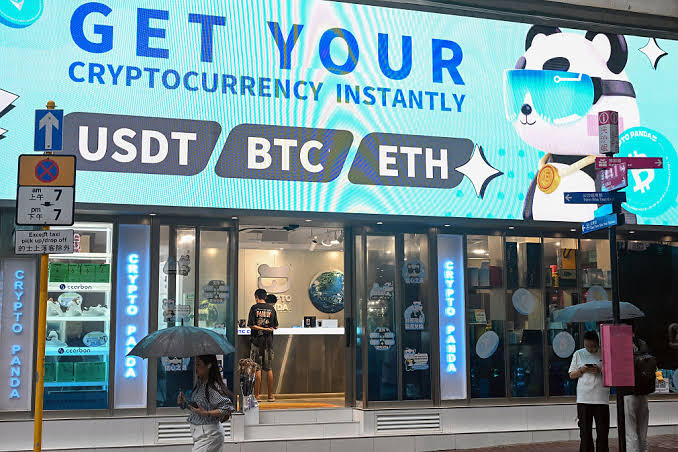
Consumers across Asia Pacific markets are showing a growing willingness to use fiat backed stablecoins for everyday purchases and cross border transactions, according to a new regional economic survey released October 5, 2026. The findings point to a significant change in how digital assets are being viewed, with stablecoins increasingly moving from a specialized financial technology into a potential payment option for ordinary consumers and businesses.
Stablecoins Move Closer to Everyday Consumer Use
For years, digital currencies have been associated primarily with investment, trading, and speculation. Stablecoins occupy a different position because their value is generally linked to a traditional currency such as the United States dollar. That design is intended to reduce the extreme price movements commonly associated with other digital assets.
The latest Asia Pacific consumer study suggests that this distinction is becoming increasingly important. Consumers who may have little interest in holding highly volatile cryptocurrencies can still see practical value in a digital payment instrument designed to maintain a relatively stable relationship with a familiar currency.
For a worker sending money to family in another country, a small business paying an overseas supplier, or a traveler making purchases abroad, the attraction can be straightforward. A digital asset that can move across borders quickly and operate through internet connected financial services may offer an alternative to traditional payment channels that can involve multiple intermediaries, currency conversion costs, and delays.
Why Asia Pacific Is Becoming a Major Stablecoin Market
Asia Pacific contains some of the world’s most active digital economies, along with large populations that regularly use mobile payments and online financial services. In several markets, consumers have already become comfortable with scanning payment codes, using digital wallets, transferring money through mobile applications, and managing financial accounts without visiting a physical bank branch.
That existing familiarity with digital payments could make stablecoin adoption easier than it might be in markets where consumers still depend heavily on cash and traditional banking infrastructure.
Cross border commerce is another important factor. The region connects major manufacturing centers, technology businesses, tourism markets, financial hubs, and large migrant worker communities. Money frequently moves between countries, creating demand for payment systems that can operate efficiently across different currencies and financial networks.
Mobile Payments Have Already Changed Consumer Expectations
The rapid growth of mobile banking has changed what consumers expect from financial services. People increasingly want payments to be immediate, accessible, and available at any hour. A stablecoin payment system can potentially fit into that expectation because transactions can be initiated through digital wallets rather than relying entirely on conventional banking hours and procedures.
That does not mean stablecoins will replace banks or national currencies. Instead, they could become another layer within the wider financial system, particularly for international payments and digital commerce.
Cross Border Transactions Could Be the Strongest Use Case
One of the most compelling reasons for consumers to consider stablecoins is the difficulty of moving money internationally. A conventional transfer may pass through banks, payment processors, currency exchanges, and other financial institutions before reaching its destination.
Each stage can affect the final cost and timing of a transaction. For consumers sending relatively small amounts, fees can become especially noticeable.
Stablecoins offer a different model. A user can hold a digital token linked to a fiat currency and transfer it through a compatible blockchain network. The recipient can then potentially convert it into local currency or use it within an accepted digital payment ecosystem.
For businesses, the potential benefits may be even broader. An online company selling products across several countries could use stablecoins for selected transactions without maintaining a completely separate payment process for every market.
Consumer Confidence Will Determine Whether Adoption Continues
Interest alone does not guarantee widespread adoption. Consumers need to believe that a stablecoin will remain reliable, that they can redeem it when necessary, and that their money will be protected from fraud and technical failures.
This is where regulation becomes critical. A stablecoin that claims to be backed by a national currency or other assets must inspire confidence in the quality and availability of those reserves. Consumers also need clear information about redemption rights, fees, transaction risks, and the organizations responsible for issuing and managing the asset.
The Bank for International Settlements has extensively examined digital money, stablecoins, payment systems, and the implications of new forms of financial infrastructure. Its research reflects the broader policy debate surrounding the relationship between digital assets and the traditional monetary system.
Stablecoins Are Not the Same as Traditional Cryptocurrency
Consumers often group all digital assets together, but stablecoins have a different purpose from many cryptocurrencies. Bitcoin and other major crypto assets can experience substantial changes in market value. Stablecoins are generally designed to maintain a more stable value by linking their price to an underlying asset, most commonly a fiat currency.
That difference can make stablecoins more suitable for payments. A person buying groceries does not want the value of their digital money to change dramatically between the moment they receive it and the moment they spend it.
Still, stability is not guaranteed. Different stablecoins have different reserve structures, governance arrangements, technology, redemption mechanisms, and regulatory positions. Consumers therefore need to examine the specific asset rather than assuming that every stablecoin carries the same level of protection.
What the Survey Could Mean for Retail Businesses
If consumer willingness continues to rise, retailers may face growing pressure to support more forms of digital payment. Businesses that sell internationally could be among the first to experiment with stablecoin transactions because their customers already face currency and payment barriers.
Retailers will also need to consider accounting, tax reporting, fraud prevention, customer support, and compliance requirements. Accepting a digital asset is not simply a technical decision. The business must know how payments are recorded, how refunds are processed, and how digital holdings are converted into conventional currency when necessary.
Small businesses could eventually benefit from lower payment friction, particularly when selling to international customers. But they may also face new risks if they adopt unfamiliar payment systems without adequate security procedures.
Remittances Could Become Another Major Driver
Remittances are particularly relevant to the stablecoin discussion in Asia Pacific. Millions of workers live outside their home countries and regularly send money to relatives. Even modest reductions in transaction costs can matter greatly to families that depend on those transfers for education, housing, food, and medical expenses.
Stablecoins could provide another channel for these transfers if local regulations, payment networks, and conversion services allow consumers to move between digital assets and national currencies easily.
However, the convenience of a digital transfer should not be confused with universal accessibility. Users still need smartphones, internet access, reliable wallets, secure account credentials, and a practical method for converting digital funds into money that local merchants accept.
Regulation Will Shape the Next Stage
Governments across the Asia Pacific region face a difficult policy question. They need to encourage useful financial innovation while protecting consumers and maintaining the integrity of the financial system.
Stablecoins can raise questions about money laundering controls, financial stability, consumer protection, taxation, reserve transparency, and monetary policy. Regulators also have to consider what happens if a major stablecoin experiences a loss of confidence or if users attempt to redeem large amounts at the same time.
The International Monetary Fund’s work on financial technology provides broader context for the policy questions surrounding digital payments, financial innovation, and the changing structure of global finance.
Clear rules could ultimately help adoption by giving consumers and businesses greater confidence. Without consistent standards, however, fragmented regulations could make cross border stablecoin payments difficult to operate at scale.
Security Remains a Practical Concern for Consumers
As stablecoins become easier to use, security will become just as important as convenience. Digital wallets can be targeted by criminals, private credentials can be stolen, and fraudulent payment requests can appear convincing to inexperienced users.
Consumers considering stablecoin payments should understand who issued the asset, what supports its value, how redemption works, what fees apply, and what protections exist if something goes wrong. Businesses should similarly maintain strong account security and establish clear procedures for approving large transfers.
Education will be essential. A payment system can only become widely trusted when ordinary users understand what they are holding and what happens when they send it.
A Shift From Speculation Toward Utility
The strongest message from the Asia Pacific survey is that consumer interest in digital assets may increasingly be connected to practical financial needs rather than investment speculation. That distinction could influence the next stage of the cryptocurrency industry.
People do not necessarily need to believe that a digital asset will increase in value before using it. They may simply want to pay a supplier, send money to relatives, purchase something from another country, or move funds between digital services.
If stablecoins can provide those functions safely and transparently, their role in everyday finance could expand significantly.
What Comes Next for Asia Pacific Consumers
The reported rise in willingness to adopt fiat backed stablecoins represents an important signal, but actual usage will depend on several factors. Regulation, merchant acceptance, wallet availability, transaction costs, currency conversion, reserve transparency, and consumer education will all influence whether interest becomes routine behavior.
For consumers, the most sensible approach is careful evaluation rather than rushing into a new financial product simply because adoption is increasing. Stablecoins can offer useful payment capabilities, but they remain part of a financial system that carries technological, regulatory, and operational risks.
For businesses and financial institutions, the growing consumer interest suggests that stablecoins deserve serious attention. The question is no longer only whether people are curious about digital currencies. Increasingly, the question is whether digital money can solve everyday problems better than existing payment methods.
Asia Pacific may become one of the most important testing grounds for that question. If stablecoins can combine the familiarity of fiat currency with the speed and reach of digital networks, they could gradually become part of the region’s payment infrastructure. The path forward will depend on whether the industry can earn something more valuable than attention: lasting consumer trust.