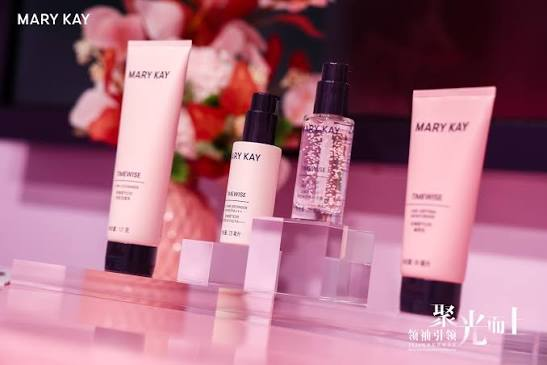
Mary Kay is expanding its international beauty presence with the simultaneous launch of its specialized “K Beauty Texture Edit” collection across 40 global markets on October 5, 2026. The move reflects a broader shift in the cosmetics industry, where skincare ideas developed in Asian beauty markets are increasingly influencing product development, consumer expectations, texture preferences, and daily beauty routines around the world.
Mary Kay Brings Asian Skincare Inspiration to a Global Audience
The new collection arrives at a moment when consumers are paying closer attention to more than a product’s name or packaging. Texture, application experience, layering, hydration, skin feel, and the overall rhythm of a skincare routine have become meaningful parts of the purchasing decision. Mary Kay’s K Beauty Texture Edit places those qualities at the center of its latest international offering.
Launching the collection across 40 markets simultaneously also gives the announcement significance beyond a single product release. It shows how quickly regional beauty concepts can move across borders when consumers in different countries begin looking for similar experiences in their skincare routines.
Asian skincare has developed a strong international following because of its focus on carefully layered routines, lightweight formulas, hydration, comfortable application, and attention to the sensory experience of using skincare. The growing interest has encouraged major beauty companies to look beyond traditional Western product development approaches and pay closer attention to consumer preferences originating in markets such as South Korea and other parts of Asia.
Why Skincare Texture Has Become So Important
For many consumers, skincare is now as much about how a product feels as what it claims to do. A cream that feels heavy can discourage regular use. A serum that absorbs quickly may fit more easily into a busy morning routine. A moisturizer that leaves skin comfortable rather than sticky can influence whether someone reaches for it every day.
That attention to texture is one reason the K Beauty Texture Edit concept is relevant. Beauty shoppers increasingly compare products based on qualities such as gel consistency, watery absorption, softness, finish, layering ability, and compatibility with other products. These details can appear minor on a product page, yet they often determine whether a skincare item becomes part of a person’s daily routine.
For people who have spent years buying skincare based mainly on ingredients or brand reputation, this represents a subtle change in how beauty products are evaluated. Consumers are increasingly asking a practical question: how will this product actually feel on my skin and how easily can I use it every day?
The Growing International Influence of K Beauty
The international popularity of Korean beauty has been building for years, supported by social media, global travel, entertainment culture, beauty creators, and the rapid spread of online shopping. Consumers who once discovered Asian skincare while traveling or through specialist retailers can now encounter these concepts through mainstream beauty companies and international product launches.
The broader K Beauty movement has also influenced the language consumers use when discussing skincare. Terms associated with hydration, skin barrier care, gentle cleansing, layering, lightweight formulas, and comfortable finishes have become increasingly familiar outside Asia.
Research and consumer information from organizations such as the U.S. Food and Drug Administration also demonstrate why consumers need to distinguish between cosmetic claims, ingredient information, and medical claims when evaluating skincare products. The popularity of Asian beauty does not remove the need for careful product evaluation. Skin type, sensitivity, allergies, climate, and existing routines still matter.
What the 40 Market Launch Says About Beauty Consumers
A simultaneous launch across 40 markets suggests that the demand for Asian inspired skincare is no longer limited to a small group of beauty enthusiasts. The appeal has become broad enough for an established international cosmetics company to present the concept as part of a global portfolio.
That shift matters because beauty preferences are often deeply personal. A consumer living in a humid tropical climate may prefer a lighter texture, while someone in a colder environment may look for richer moisture. Someone with sensitive skin may prioritize simplicity and comfort. Another customer may care most about how easily several products can be layered without feeling heavy.
A global collection therefore has to appeal to consumers with very different routines and environmental conditions. The challenge is not simply creating a product inspired by a popular regional trend. It is making that idea relevant to people who may have completely different expectations of skincare.
Texture Can Shape Everyday Skincare Habits
The sensory experience of skincare can influence consistency. When a product spreads easily, absorbs comfortably, and works well with the rest of a routine, people may be more willing to use it regularly. This is particularly relevant as consumers build routines that can include cleansers, toners, essences, serums, moisturizers, and sun protection.
For consumers trying to simplify their routines, texture can also help determine which products deserve a permanent place on the bathroom shelf. A product that performs comfortably without requiring a complicated process may have a stronger chance of becoming a daily staple.
Asian Formulas Are Influencing More Than Product Ingredients
The international influence of Asian skincare extends beyond individual ingredients. It also involves the philosophy surrounding product development. Lightweight hydration, multiple layers of moisture, gentle application, pleasant textures, and careful attention to the feel of a finished routine have all become important elements in the global beauty conversation.
This is significant because beauty trends can sometimes be reduced to a list of fashionable ingredients. The larger story is more complicated. Consumers are borrowing routines, application techniques, packaging expectations, texture preferences, and ideas about how skincare should fit into everyday life.
Mary Kay’s new collection arrives within that larger movement. Rather than treating Asian beauty as a niche category separated from mainstream cosmetics, the launch positions Asian inspired skincare textures within a broader international beauty business.
What Consumers Should Consider Before Buying New Skincare
Excitement around a new international collection can make it tempting to add several products to a routine at once. Dermatologists and skincare professionals generally encourage consumers to consider their individual skin needs rather than choosing products simply because they are popular.
Before adding a new skincare product, shoppers can consider:
- Whether the texture suits their skin type and climate.
- Whether the product fits comfortably into an existing routine.
- Whether the ingredient list contains anything they already know their skin does not tolerate.
- Whether multiple new products are being introduced at the same time.
- Whether the product makes cosmetic claims or claims that would require medical evidence.
Introducing products gradually can also make it easier to identify the cause of irritation if a reaction occurs. This simple approach can be especially useful for consumers experimenting with skincare trends from unfamiliar markets.
Mary Kay Faces a More Competitive Global Beauty Market
The beauty industry has become increasingly competitive as consumers gain access to products from more countries and brands. A customer in one market can now discover a skincare trend from another continent almost instantly. This has reduced the distance between regional beauty cultures.
For established companies such as Mary Kay, that environment creates both opportunity and pressure. Consumers expect established brands to understand new trends while maintaining consistency and trust. They also have more alternatives than ever, from specialist Korean skincare labels to global drugstore brands and independent beauty companies.
The K Beauty Texture Edit therefore represents more than an attempt to follow a popular trend. Its broader significance lies in how established beauty businesses are adapting to a market in which consumer inspiration increasingly travels across national borders.
A Beauty Industry Becoming More International
The launch also reflects a deeper change in how beauty innovation moves around the world. Ideas no longer travel only from large Western cosmetics companies to international consumers. Asian markets are increasingly shaping the products, textures, routines, and expectations adopted by shoppers elsewhere.
That exchange can benefit consumers by creating more choice and encouraging companies to pay closer attention to different approaches to skincare. It can also encourage greater curiosity about why certain products become successful in particular regions and how those preferences translate into other climates and cultures.
For consumers, the most meaningful result may be simple: more options for finding skincare that feels comfortable enough to use consistently. For the industry, the 40 market launch is another indication that beauty innovation is becoming increasingly global, with Asian skincare ideas moving from regional influence into mainstream international product development.
As Mary Kay introduces the K Beauty Texture Edit simultaneously across its global markets, the collection arrives at the intersection of changing consumer habits and a rapidly internationalizing beauty culture. The lasting impact will depend not only on initial attention but on whether consumers find the textures practical, comfortable, and suitable for their everyday routines.
The launch ultimately points to a beauty market where inspiration can come from anywhere. What begins as a regional preference can become a global expectation, and skincare texture is proving to be one of the clearest examples of that shift.