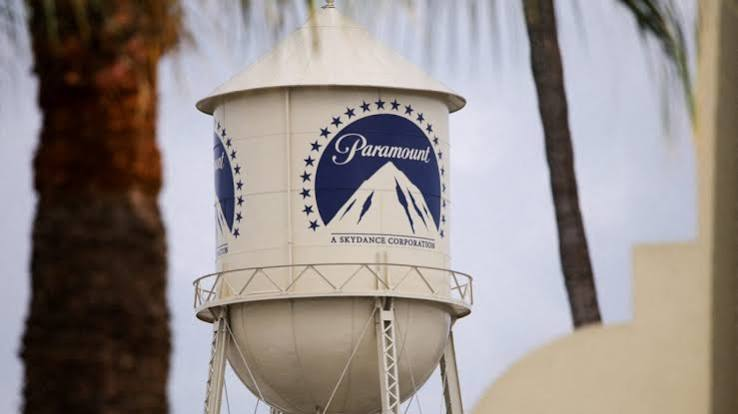
Hollywood entered a new era on October 6, 2026, as Paramount Skydance completed its acquisition of Warner Bros. Discovery and created one of the entertainment industry’s largest combined companies. The deal, valued at roughly $110 billion including debt, brings together major film studios, streaming services, television networks and some of the most recognizable franchises in modern entertainment. The transaction follows months of regulatory scrutiny, lawsuits and negotiations that created uncertainty around future productions, budgets and creative plans.
For audiences, the most immediate question is what happens to the movies and television projects they have been waiting for. For filmmakers, actors and production crews, the question is more personal. A merger of this scale can change which projects receive funding, which executives approve them and how studios decide where to place billions of dollars in annual content spending.
A Merger That Reshapes Hollywood
Paramount Skydance and Warner Bros. Discovery formally completed the transaction on October 6 after receiving the required regulatory approvals and resolving major legal challenges. The new company operates under the Skydance name and combines Paramount’s entertainment assets with Warner Bros. Discovery’s extensive collection of studios, networks and intellectual property.
The combined company now controls major brands and properties associated with Paramount, CBS, HBO, Warner Bros., DC, Comedy Central, MTV and other entertainment businesses. Its streaming portfolio also includes Paramount Plus and HBO Max, alongside other services and content libraries that will eventually be brought into a more unified strategy.
The scale is extraordinary. The new company says it has nearly $70 billion in annual revenue and more than $30 billion in pro forma content spending based on the most recent twelve month period. Management has also set a target of at least 30 theatrical films each year while pursuing billions of dollars in expected operating savings.
Those figures explain why filmmakers and audiences are watching the integration so closely. When two major studios combine, the issue is not simply who owns which franchise. The deeper question is how many projects will receive the green light when executives begin comparing competing investments.
Why the Merger Created Production Uncertainty
The transaction faced a complicated legal path before reaching completion. The United States Department of Justice closed its investigation in June after determining that the proposed combination was not likely to harm competition in areas including streaming, television and theatrical film production. The department’s decision removed one major regulatory obstacle, but separate litigation continued.
Twelve state attorneys general challenged the transaction under antitrust law, while the Writers Guild of America also pursued legal action. A settlement with the states ultimately cleared the way for the deal to proceed, and a federal judge approved the settlement at the end of September.
That prolonged review created an unusual period in which Hollywood executives had to plan for a company that did not yet formally exist. Major decisions could be affected by questions about future leadership, budgets, corporate priorities and the allocation of intellectual property.
The United States Department of Justice remains a key source for public information about the federal antitrust review and related competition policy.
The Lord of the Rings Question Is More Complicated Than a Production Freeze
Few franchises illustrate the uncertainty surrounding Warner Bros.’ future better than The Lord of the Rings. Warner Bros. and New Line Cinema have continued developing new projects connected to J.R.R. Tolkien’s world, making the franchise one of the most closely watched properties affected by the corporate transition.
However, claims that the merger has definitively frozen all major Lord of the Rings production activity should be treated cautiously. Reports circulating around October 6 suggested uncertainty surrounding projects, but available reporting indicated that The Lord of the Rings projects remained in development rather than being formally cancelled.
That distinction matters. Development can continue while a studio reviews budgets, scripts, production schedules and release strategies. A project can also remain active without having received a final production date or a complete financing commitment.
For fans, that may feel frustratingly vague. A familiar title can appear to be moving forward for years before a studio officially announces a filming schedule. During a corporate merger, that uncertainty can become even greater because projects are evaluated within a new financial structure.
Franchise Decisions Could Become More Selective
The combined company inherits an enormous collection of intellectual property. That includes DC characters, Harry Potter, Game of Thrones, The Lord of the Rings, Mission Impossible, SpongeBob SquarePants and many other valuable entertainment properties.
Having more franchises does not necessarily mean producing more movies. A studio still has limited production capacity, marketing resources, executive attention and theatrical release dates. Management must decide which projects can justify the enormous costs associated with modern blockbuster filmmaking.
That calculation becomes especially significant after a merger because executives are expected to find savings. The new company has stated that it is targeting at least $6 billion in annual run rate synergies within three years. Management has said those savings will come primarily from areas such as technology, procurement, marketing and real estate rather than directly from creative production.
Even when studios promise to protect filmmaking, however, internal reviews can affect the timing of projects. Executives may combine development departments, reconsider overlapping projects or change release schedules while deciding how the newly merged company should operate.
What Happens to Warner Bros. and Paramount Filmmakers
For directors, writers, producers and actors, corporate consolidation can produce uncertainty long before audiences notice anything on screen.
A project that once had a clear chain of approval may suddenly have new executives reviewing its budget. A filmmaker may find that a studio’s appetite for a particular genre has changed. A television series may be judged not only on its creative potential but also on whether it can attract subscribers to a streaming service.
There is also the human cost of integration. Large mergers often lead to overlapping corporate roles, restructuring and changes in staffing. The companies have promised substantial investment in content and film production, but employees may still face uncertainty while departments are reorganized.
That is one reason the Writers Guild of America became involved in the legal dispute. Creative workers are not merely observers of studio consolidation. Their contracts, employment opportunities and access to production financing can be directly affected by changes in corporate strategy.
The New Company Is Promising More Film Production
Despite the concerns surrounding consolidation, the new Skydance leadership is presenting the merger as an opportunity to increase the company’s ability to finance and distribute entertainment.
The company has committed to releasing at least 30 theatrical films each year and more than 180 television shows and series. Management has also described a long term plan to combine streaming operations and use the scale of the new company to invest in technology, content and global distribution.
That could benefit audiences if the promised production volume translates into more varied films and television programs. It could also create opportunities for filmmakers who might previously have struggled to secure large studio financing.
The concern is whether the pressure to achieve cost savings will conflict with those creative ambitions. Producing more content while simultaneously reducing expenses requires careful decisions about where money is spent.
Streaming Will Be One of the Biggest Battlegrounds
The merger also changes the competitive landscape for streaming. Paramount Plus and HBO Max represent two significant consumer platforms with different libraries, audiences and brand identities.
The new company plans to move toward a unified streaming service over time. That could simplify the experience for customers who currently subscribe to multiple services, but it could also lead to changes in pricing, programming and subscription structures.
For studios, the streaming question is closely connected to theatrical filmmaking. A successful blockbuster can generate box office revenue, merchandise sales, licensing opportunities and renewed interest in older titles. A streaming service can then extend the life of that content to a global audience.
The challenge is finding the right balance between exclusive streaming content and theatrical releases. The combined company now has enough major franchises to experiment with different strategies, but each decision carries significant financial consequences.
Why Regulators Were Concerned About Hollywood Consolidation
The merger illustrates a broader concern about concentration in the entertainment business. Paramount and Warner Bros. Discovery were already major companies with significant influence over film, television, news and streaming markets.
Combining them creates a company with an enormous library and substantial negotiating power. Supporters argue that greater scale is necessary to compete with technology companies and other global entertainment groups. Critics worry that fewer independent studios could mean fewer buyers for creative work and fewer choices for audiences.
The settlement that allowed the transaction to close included commitments involving domestic film production, worker support and editorial independence. Those provisions were intended to address some of the concerns raised during the legal challenge, although critics have argued that the remedies do not go far enough.
What Audiences Should Watch Next
For moviegoers and television viewers, the merger will probably be felt gradually rather than through one immediate change. The first signs are likely to appear in release schedules, streaming strategies and announcements about projects that receive production approval.
Fans watching major franchises should pay particular attention to official studio announcements rather than social media rumors. Development status can change quickly during corporate integration, and an unconfirmed delay does not necessarily mean that a film has been cancelled.
- Watch for changes to theatrical release schedules and production announcements.
- Follow official statements about HBO Max and Paramount Plus integration.
- Pay attention to announcements involving major franchises and new leadership.
- Distinguish confirmed cancellations from projects that remain in development.
- Watch how the company balances its promised film output with its cost reduction plans.
Hollywood’s Next Chapter Begins With a Difficult Balancing Act
The Paramount Warner Bros. merger is now complete, but the most difficult work is only beginning. Combining two enormous entertainment businesses will require decisions about people, technology, streaming, film production, television and thousands of individual projects.
For audiences, the hope is simple. A larger studio should be able to finance ambitious stories while giving filmmakers access to a wider range of resources. For creative workers, the hope is that consolidation will produce opportunities rather than simply fewer jobs and fewer buyers.
The new company has made ambitious promises about theatrical production and long term investment. Meeting those commitments while achieving billions of dollars in savings will test its leadership over the next several years.
The official Paramount website will remain one of the primary places for confirmed announcements involving the company’s entertainment operations and upcoming projects.
For now, the biggest lesson from the merger is that corporate ownership does not instantly determine the fate of a franchise. Projects such as The Lord of the Rings can remain in development while executives assess budgets, scripts and schedules. What changes is the environment in which those decisions are made.
Hollywood has entered that new environment with an extraordinary concentration of creative power under one roof. Whether that produces more ambitious entertainment or a more cautious approach to expensive franchises will become clearer as the new Skydance organization moves from merger planning to actual production decisions.