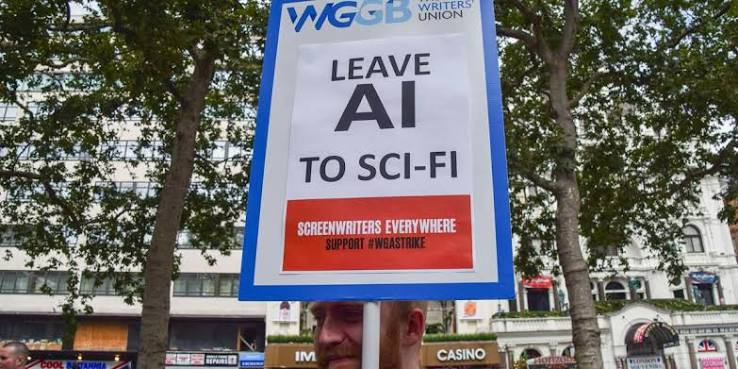
Generative artificial intelligence is changing how films and television programs are written, performed, edited and distributed, forcing entertainment companies to reconsider the relationship between technology and human creativity. On November 1, 2026, the industry is facing growing pressure to establish clearer rules for AI generated assets, digital replicas and the use of audience data across streaming platforms. Recent labor agreements in Hollywood show meaningful progress on performer consent, compensation and synthetic characters, although a single global settlement covering studios, production unions and audience intelligence systems could not be independently verified.
New Agreements Show Progress Across Film, Television and Streaming
Several important agreements reached during 2026 provide a clearer picture of how entertainment unions and studios are approaching AI. These are separate collective bargaining arrangements rather than one international settlement, but together they address concerns shared by writers, performers and production professionals.
On June 4, SAG AFTRA members approved a new television and theatrical agreement with the Alliance of Motion Picture and Television Producers by a vote of 91.42 percent to 8.58 percent. The agreement covers television, theatrical and streaming production and builds on protections established during earlier negotiations. Its AI provisions include stronger consent and compensation requirements, additional safeguards for digital replicas and restrictions intended to protect human performers from inappropriate replacement by synthetic characters.
The agreement also establishes a principle strongly favoring human performances. Producers indicated that they do not intend to use a synthetic performer in a human role that would otherwise be performed by a person unless the synthetic brings significant additional value to the production. The contract includes protections for minors whose digital replicas might be created or used, as well as a requirement that producers have an identifiable business reason before scanning someone to create a digital replica.
Another significant development arrived on October 29, when SAG AFTRA members ratified new television animation and basic cable animation agreements. Approved by 94.95 percent of participating voters, the four year contracts include stronger AI protections alongside wage increases, residual improvements and benefits. The timing is notable because animation and voice acting are particularly exposed to synthetic voice technology, which can reproduce vocal performances without requiring a performer to record every version of a line.
Writers Gain Greater Visibility Over the Use of Their Work
Writers face a different set of challenges. Their scripts, dialogue and story concepts can become material for AI training, while automated systems can generate drafts and revisions that resemble professional writing. The central concern is not simply whether a writer uses an AI assistant. It is whether companies can use creative work to train commercial systems without adequate transparency or meaningful discussion with the people who produced it.
The 2026 Writers Guild of America agreement, effective May 2, 2026, preserves the AI protections negotiated in 2023 and adds a specific requirement concerning certain commercial AI training licenses. If a company licenses covered literary material to an unaffiliated third party for training a publicly available commercial generative AI system, it must provide written notice to the Guild. The Guild can then request a discussion about the license, including whether writers should receive remuneration.
The agreement also provides for regular discussions between the Guild and companies about the use and intended use of generative AI in development and production. This matters because technology can change considerably between contract negotiations. A process that begins as a writing aid may later become part of a larger automated production workflow.
These provisions do not create a universal ban on AI training, nor do they settle every copyright dispute involving creative material. They establish contractual obligations within the agreement’s scope and give writers’ representatives more information about certain commercial licensing arrangements. The Writers Guild of America provides details of its current AI provisions and the wider contractual framework.
Digital Replicas Raise Questions About Consent and Compensation
A digital replica can reproduce a person’s face, voice or other identifiable characteristics. In film and television, such technology may help with visual effects, dubbing, continuity work or scenes that would otherwise require additional filming. It can also create serious problems when a person’s likeness is reproduced without informed permission or used in ways they never expected.
For performers, consent needs to be meaningful. Knowing that a scan will be taken is not necessarily the same as understanding how a digital replica may be used, how long it may remain available or whether it could appear in future productions. Compensation is equally important because a synthetic performance may generate value long after the original recording session has ended.
The latest agreements reflect growing recognition that these questions need specific contractual answers. Consent, payment, intended use and protections against inappropriate replacement are becoming central parts of negotiations. These safeguards also matter to audiences, who may reasonably expect entertainment companies to be transparent about whether a performance was recorded by a human artist or generated through synthetic technology.
Streaming Platforms Face a Separate Challenge Over Audience Intelligence
The second major issue in the reported settlement description concerns audience intelligence systems. Streaming services collect and analyze information about viewing habits, search activity, completion rates, recommendations and subscriber behavior. These systems help companies decide which programs to promote, which audiences may enjoy a particular title and where future production investment might be directed.
Artificial intelligence can make this analysis more sophisticated. Systems can identify patterns across large viewing histories, predict which content may attract particular audiences and help distributors adjust recommendations across different markets. These capabilities may improve discovery for viewers, but they also raise questions about privacy, transparency and the influence of automated decisions.
Audience analytics should not be treated as identical to generative AI asset creation. One concerns the creation or alteration of creative material; the other concerns the collection, analysis and use of information about viewers. They may operate together within a streaming business, but they involve different rights, risks and regulatory responsibilities.
No independently verified announcement establishes that the November 1 development created a single international audience intelligence protocol covering all major streaming platforms. Existing privacy laws and platform obligations remain important, and companies must consider how personal information is collected, processed, retained and shared. Clearer industry standards could help viewers understand how recommendations are generated and how their information influences commercial decisions.
Why a Single Global Rulebook Remains Difficult
Entertainment production crosses borders, but labor agreements and legal protections do not automatically apply everywhere. A television series may be developed in one country, filmed in another, edited by a distributed team and released through streaming services in dozens of markets. Performers, writers and production workers may be covered by different contracts depending on where they work and which organizations represent them.
Copyright law also differs between jurisdictions. Questions about whether copyrighted material can be used to train AI systems, who owns generated outputs and how digital replicas are protected are being addressed through a combination of legislation, court cases, licensing arrangements and collective bargaining.
That complexity makes international cooperation valuable, but it also means that a contract negotiated in the United States cannot automatically establish rights for every entertainment worker worldwide. Global studios may adopt consistent internal standards, yet local laws and labor agreements still determine many of the protections available to individuals.
What Studios, Unions and Streaming Companies Should Do Next
The agreements reached in 2026 provide a foundation, but practical implementation will determine whether their protections work. Studios need procedures that make consent records, digital replica permissions and compensation arrangements clear. Production teams should know which AI tools are authorized and whether material created during a project can be retained or reused for other purposes.
Unions will need to monitor how the provisions are applied as new tools enter production. This includes examining whether a digital replica is being used within the agreed scope, whether a synthetic performer is replacing work that would otherwise go to a human professional and whether companies are meeting their disclosure obligations.
Streaming platforms also have responsibilities beyond production contracts. They should provide understandable privacy information, maintain appropriate controls over audience data and consider how automated recommendations affect the visibility of creative work. Viewers should have meaningful information about how their data is used, while creators should not be left without clarity about the systems influencing the distribution of their work.
The Future of Entertainment Will Depend on Trust
Artificial intelligence is likely to remain part of entertainment production. It can assist with visual effects, localization, accessibility, editing and complex technical tasks. Used responsibly, it may help creative teams work more efficiently and allow stories to reach audiences in additional languages and formats.
But technical capability alone cannot determine the future of film and streaming. Audiences value performances, writing and artistic decisions because they reflect human experience. Workers need confidence that their voices, likenesses and original contributions will not be used without appropriate safeguards. Studios need reliable rules that allow them to adopt useful technology without creating avoidable legal and labor disputes.
The developments confirmed during 2026 represent meaningful progress, particularly through the updated writers’ agreement and the new performer protections covering theatrical, television and animation work. They do not amount to one universal international settlement governing every form of AI production and streaming audience analysis. Instead, they show an industry gradually establishing more detailed expectations through contracts, negotiations and existing legal frameworks.
The next test will come as those rules are applied to real productions and new forms of automated media. If studios, unions and streaming companies can maintain transparency, respect creative rights and protect audience information, AI may become a useful part of entertainment without pushing human contributors to the margins. The future of the industry will depend not only on what these systems can produce, but also on whether the people behind the stories and the audiences watching them can trust how the technology is used.