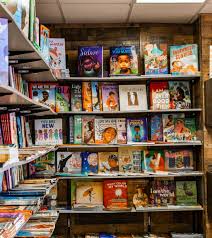
After years of online shopping, instant recommendations and algorithm driven product discovery, independent retailers are finding new reasons for optimism. Small bookstores, specialist lifestyle shops and community focused retail spaces are attracting renewed attention from consumers who want more than a quick transaction. They are looking for personal recommendations, carefully selected products, local connections and the simple pleasure of discovering something unexpected. The trend is creating fresh opportunities for independent businesses, although rising costs and changing consumer budgets remain significant challenges.
Independent Bookstores Are Experiencing a Notable Revival
Few retail categories illustrate the renewed interest in physical shopping as clearly as independent bookstores. For years, online retailers and large chains placed considerable pressure on small booksellers. Yet recent industry figures suggest that independent bookshops are finding room to grow by offering something digital platforms cannot easily reproduce: a personal connection between readers, booksellers and local communities.
The American Booksellers Association reported that 605 new independent bookstore businesses opened across the United States in 2025. These included traditional storefronts, pop up shops and mobile stores. Association membership also increased by 19 percent, while a majority of surveyed members reported higher sales compared with the previous year.
The figures are particularly striking because independent retailers continue to operate with relatively narrow profit margins. Rent, wages, inventory costs and competition from large online sellers can make survival difficult. Nevertheless, the growth suggests that a meaningful number of consumers are willing to support stores that reflect their interests and communities.
Readers are not necessarily rejecting online shopping. Instead, many are combining digital convenience with visits to physical stores. They might discover a book through social media, check its availability online and then visit a local shop to browse similar titles or speak with someone who knows the subject. This combination allows independent bookstores to benefit from online discovery without losing the personal experience that makes them distinctive.
Why Shoppers Want More Than Algorithmic Recommendations
Online platforms are designed to make shopping fast and convenient. Their recommendation systems analyze browsing activity, purchase history and other signals to suggest products that customers may want. These tools are useful, but they can also create a repetitive experience in which shoppers repeatedly encounter similar products.
A physical independent shop offers a different kind of discovery. A bookseller might recommend a novel from a lesser known author, introduce a customer to a local writer or suggest a title that has little connection to previous purchases. In a lifestyle store, an employee may explain how an item was made, where its materials came from or why a small producer created it.
These interactions give shopping a human dimension. Customers can touch products, compare materials, ask questions and make decisions with immediate guidance. They may also encounter people with similar interests, turning an ordinary visit into a social experience.
Research published by JLL in 2025, based on a survey of 2,002 adults across 15 countries, identified growing consumer interest in retail environments that feel locally relevant and personally meaningful. The findings suggest that store design and product selection are becoming more closely connected to individual preferences and community identity.
Specialist Lifestyle Shops Find Their Own Audience
The independent retail revival extends beyond books. Small shops focused on stationery, home accessories, handmade goods, clothing, wellness products, records, crafts and other specialist interests can attract customers who value selection over endless choice.
These stores often build their identity around a clear point of view. Rather than attempting to stock everything, they choose products that reflect a particular aesthetic, practical need or community interest. A stationery shop might focus on thoughtfully designed notebooks and locally produced paper goods. A homeware retailer may feature durable household products made by independent designers. A small clothing store could prioritize repairable garments, responsible materials and limited collections.
For customers, this approach can make browsing less overwhelming. A carefully selected range helps people understand what a store stands for and why its products are different. For owners, a distinctive identity can encourage repeat visits and recommendations from existing customers.
Independent retailers are also experimenting with events and shared activities. Book clubs, author discussions, creative workshops, product demonstrations and community gatherings give people reasons to visit even when they are not planning a purchase. These activities can build loyalty while helping a shop become a familiar part of its neighborhood.
Sustainability Is Becoming Part of the Retail Conversation
Environmental responsibility is another factor shaping independent retail. Some shoppers are paying closer attention to product origins, packaging, material quality and the environmental practices of the businesses they support. Smaller retailers can respond by offering locally made goods, reusable products, secondhand items and merchandise designed to last.
However, sustainability is not a guarantee of higher sales. Consumers still consider affordability, quality and convenience. A product may have responsible materials and attractive packaging, but many customers will hesitate if its price is significantly higher than comparable alternatives.
Research from BearingPoint’s 2025 Sustainable Retail Barometer found that many surveyed European consumers expressed willingness to pay more for sustainable products, while a substantial proportion were unwilling to accept a significant price increase. This gap between stated environmental preferences and actual spending decisions is an important challenge for retailers.
Independent businesses can make sustainability more practical by explaining the value behind their products. Durable construction, repair options, refill services and reduced packaging provide tangible reasons for customers to consider a purchase. Clear information is also essential. Retailers should avoid vague environmental claims and be prepared to explain what makes a product more responsible.
Physical Stores Are Becoming Community Spaces
One of the strongest advantages of independent retail is its ability to create a sense of belonging. A neighborhood bookstore can become a meeting place for readers. A small craft shop can connect local makers with customers. A specialist lifestyle store can bring together people who share an interest in design, gardening, cooking or creative hobbies.
These relationships are valuable because they extend beyond individual transactions. Customers may return because they recognize the staff, trust the recommendations or enjoy attending events. Over time, the shop becomes part of the social character of the neighborhood.
The American Booksellers Association has described independent bookstores as important contributors to local economies and community life. Their role can include supporting debut authors, promoting diverse voices, hosting public discussions and providing welcoming spaces for readers.
That community function may help explain why independent bookstores have continued to attract interest despite the convenience of digital reading and online ordering. A recommendation from a knowledgeable bookseller can feel more personal than a list generated from previous clicks. A local event can create a connection that a digital purchase alone cannot provide.
How Independent Retailers Can Respond to Changing Consumer Habits
Growth in independent retail does not mean that every small shop will succeed. Owners must balance personal service and distinctive products with practical business decisions. Inventory, rent, staffing and marketing costs can quickly become difficult to manage, particularly when customer spending is under pressure.
Retailers considering how to respond to these trends can focus on several practical priorities:
- Build a clear identity: Choose a product range and store atmosphere that reflect a recognizable purpose rather than trying to compete with large retailers on selection alone.
- Make visits worthwhile: Organize workshops, book clubs, demonstrations and small community events that encourage customers to return.
- Offer informed service: Train staff to explain product quality, materials, makers and practical uses rather than relying only on promotional messages.
- Use digital tools carefully: Maintain an updated website and social media presence while using online channels to bring customers into the physical store.
- Be transparent about sustainability: Provide clear information about sourcing, packaging, durability and repair options.
- Watch affordability: Offer products at different price levels so that responsible and independent retail remains accessible to more customers.
Digital tools can support these goals without replacing the character of a physical business. Online catalogs, event announcements, local delivery and simple loyalty programs can help small retailers stay connected with customers between visits.
The Challenges Behind the Independent Retail Comeback
Despite encouraging signs, the sector faces substantial obstacles. Independent retailers often pay higher costs per product than large chains because they purchase smaller quantities. They may also have less bargaining power with landlords, distributors and delivery companies.
Economic uncertainty creates another difficulty. Even customers who value local businesses may reduce discretionary spending when household budgets become tighter. A person who regularly visits a bookstore might buy fewer titles, while shoppers interested in sustainable home products may delay purchases until they have more money available.
There is also a risk that growing interest in independent retail becomes concentrated in a small number of fashionable locations. Businesses outside major shopping districts may struggle to attract enough foot traffic. Pop up stores and mobile retail models can help reduce some costs, but they require careful planning and a reliable customer base.
For these reasons, recent growth should be viewed as an encouraging development rather than proof that independent retail has solved its long standing challenges. The strongest businesses will likely be those that combine a recognizable identity with sound financial management and a genuine understanding of local customers.
What the Future Could Hold for Independent and Eco Conscious Retail
The renewed interest in independent bookstores and specialist lifestyle shops points to a broader change in how some consumers think about shopping. Convenience remains important, but it is not the only factor. Personal service, product quality, local identity and opportunities for social interaction can all influence where people choose to spend their money.
For larger retailers, this trend offers a lesson about the value of human connection and carefully considered store experiences. For independent businesses, it creates an opportunity to compete through expertise, community relationships and distinctive products rather than attempting to match the scale of online marketplaces.
We should also be cautious about describing this as a complete global shift away from algorithmic retail. The strongest recent bookstore growth figures are from the United States, while international consumer research points to broader interest in locally relevant physical shopping. The evidence supports a growing opportunity for independent retail, but it does not establish that consumers everywhere are abandoning digital shopping.
Ultimately, the future of independent retail may depend on how successfully small businesses combine the best parts of physical and digital commerce. Online platforms can help customers discover a shop, while the store itself can offer the conversation, atmosphere and sense of community that encourage them to return. In a market filled with automated recommendations and endless product listings, a welcoming shop with knowledgeable people and a carefully chosen collection can still offer something genuinely valuable.