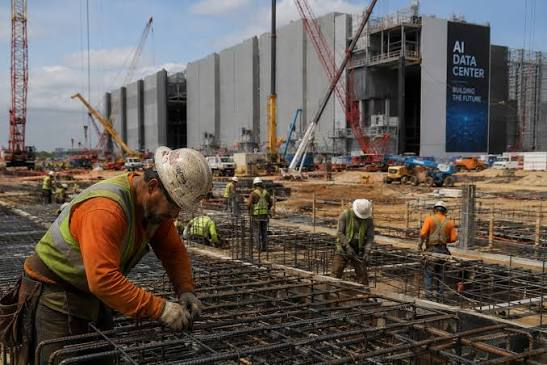
The rapid expansion of artificial intelligence infrastructure is creating opportunities well beyond the technology companies building powerful computing systems. From protective coatings and thermal insulation to fire resistant sealants and acoustic materials, specialist building products are becoming increasingly important to the construction of modern data centers. As developers race to bring new facilities online, manufacturers are facing growing interest in materials designed to protect buildings, manage heat and support reliable operations over decades of use.
AI Infrastructure Growth Is Reshaping Construction Demand
Data centers have become essential infrastructure for cloud computing, artificial intelligence, online services and business operations. Their expansion is placing new demands on construction companies and the suppliers responsible for delivering the buildings that house thousands of servers and complex electrical systems.
Recent industry figures illustrate the scale of the investment. CBRE reported that construction activity across eight major North American data center markets increased by 24.8 percent during the first half of 2026, reaching 7,481 megawatts of capacity under construction. More than 80 percent of that capacity had already been preleased, demonstrating how strongly demand is running ahead of available supply.
The pressure is also visible in the infrastructure supply chain. Dell’Oro Group reported that worldwide data center physical infrastructure revenue reached $14 billion in the second quarter of 2026, representing 27 percent growth compared with the same period a year earlier. Thermal management was among the fastest growing categories, reflecting the challenge of removing heat from increasingly powerful computing equipment.
These developments are creating a larger market for specialist construction materials. Developers are no longer choosing products solely on initial price or appearance. They must consider durability, safety, energy performance, maintenance requirements and the ability to withstand demanding operating conditions.
Why Specialist Coatings Matter in Modern Data Centers
Paint and coating systems may appear to be relatively small parts of a major construction project, but their performance can have important consequences throughout a facility’s operating life. Data centers contain structural steel, concrete surfaces, mechanical equipment, service areas and exterior building envelopes. Each has different protection requirements.
Heat reflective coatings and building efficiency
Heat management is one of the central challenges facing data center operators. Servers generate substantial heat, and cooling systems must work continuously to maintain safe operating temperatures. Although roof coatings cannot replace industrial cooling equipment, reflective products can help reduce the amount of solar heat absorbed by a building’s exterior surfaces.
Cool roof coatings are designed to reflect more sunlight and absorb less heat than conventional roofing materials. Their potential value depends on the climate, roof design, insulation, building layout and the performance of the complete cooling system. In suitable applications, they can reduce the cooling burden and support lower energy consumption.
For developers operating facilities in hot regions, including parts of the Middle East, South Asia and the southern United States, exterior heat management can be an important part of building design. The right coating must also withstand ultraviolet exposure, moisture, temperature changes and long periods without major maintenance.
Acoustic materials and vibration control
Data centers can generate considerable noise from cooling equipment, ventilation systems, backup generators and electrical infrastructure. This can become a concern when facilities are located near residential communities or other noise sensitive areas.
Acoustic insulation, sound absorbing panels, vibration control systems and suitable damping materials can help manage these effects. Coatings may contribute to particular sound control applications, but they are not interchangeable with dedicated acoustic insulation or engineered vibration systems. Their performance must be evaluated against the specific noise source and building requirements.
The reference to gray damping coatings in some industry discussions should therefore be treated carefully. Gray is a common industrial finish, but color alone does not establish a coating’s acoustic, thermal or protective performance. Buyers need technical specifications and independent test results rather than relying on product appearance or broad marketing claims.
Fire Protection and Corrosion Resistance Remain Essential
Beyond temperature and noise, data center construction involves strict requirements for fire safety and equipment protection. Electrical systems, cable routes, backup power installations and structural components must be designed to reduce the risk of damage and limit the spread of fire.
Intumescent coatings are among the products used in passive fire protection. When exposed to high temperatures, these specialized coatings expand and form an insulating layer that can help protect structural materials. Fire resistant sealants and penetration systems also help maintain the integrity of fire rated walls and floors where cables and pipes pass through.
Corrosion resistant coatings serve another important purpose. Data centers may contain extensive steel structures, external equipment and mechanical installations exposed to humidity, chemicals or changing weather conditions. Suitable protective systems can slow corrosion, reduce maintenance requirements and extend the useful life of critical assets.
Material selection must reflect the intended application. A coating designed for an exterior steel structure may not be suitable for an electrical room, a clean technical environment or a surface exposed to high temperatures. Project teams need to confirm compatibility, certification, installation conditions and maintenance requirements before approving a product.
Manufacturers See Opportunities Beyond Traditional Paint Markets
The data center construction boom is encouraging chemical companies and building material suppliers to develop products for more specialized applications. Rather than competing only in conventional architectural paint markets, manufacturers are positioning advanced coatings, sealants, adhesives and insulation components as part of a broader infrastructure supply chain.
Companies such as Arkema describe material solutions for data center structures, including fire protection, corrosion resistance, cool roof coatings and thermal insulation. These applications demonstrate how the sector connects traditional construction chemistry with the technical demands of modern computing facilities.
Research from Dell’Oro Group also points to strong growth in data center physical infrastructure, particularly thermal management systems. This is relevant to materials suppliers because cooling performance depends on more than the equipment installed inside a building. Insulation, protective finishes, structural design and building envelope performance can all influence the wider operating environment.
However, the available industry evidence does not establish that paint manufacturers worldwide reported an unprecedented surge specifically in gray damping and heat reflective coatings on November 1, 2026. The broader increase in data center construction and demand for specialized materials is supported by industry reporting, but the more specific claim about a coordinated global sales surge should not be treated as independently confirmed.
Supply Chain Pressures Could Affect Project Costs and Timelines
Rapid construction growth can create challenges for material suppliers and developers alike. Large projects require consistent quantities of approved products, reliable delivery schedules and technical support across multiple construction stages. If a specialist coating or insulation product is unavailable, contractors may face delays while they identify and approve an alternative.
Data center projects already compete for skilled labor, electrical equipment, cooling systems and access to reliable power. Material procurement adds another layer of planning. Developers increasingly need to assess supplier capacity early, confirm product availability and avoid last minute substitutions that could affect safety or performance.
Manufacturers also face pressure to maintain quality as demand increases. Coatings must meet relevant standards and perform under the conditions for which they are specified. Poor application, incompatible materials or inadequate surface preparation can undermine even a technically advanced product.
What Developers and Buyers Should Look For
For construction teams, the growing range of specialist products makes careful evaluation especially important. A product should be selected according to its tested performance and the needs of the building, not simply because it is marketed for data center construction.
Important considerations include:
- Thermal performance: Check solar reflectance, insulation properties and compatibility with the facility’s cooling strategy.
- Fire safety: Confirm that fire protection products meet the required building codes and tested ratings.
- Acoustic performance: Request measured sound absorption or damping data for the intended application.
- Durability: Assess resistance to corrosion, moisture, ultraviolet exposure and temperature changes.
- Environmental impact: Review product emissions, material composition, expected service life and maintenance needs.
- Supply reliability: Confirm manufacturing capacity, delivery schedules and technical support before construction begins.
These checks can help prevent costly mistakes and ensure that materials perform as expected after a facility becomes operational.
The Long Term Outlook for Data Center Construction Materials
The expansion of AI computing is likely to keep attention focused on the physical infrastructure supporting digital services. As server density increases and cooling systems become more sophisticated, developers will continue to examine how building materials can contribute to safety, efficiency and long term reliability.
Specialist coatings are unlikely to become the defining factor in data center construction on their own. Power availability, cooling capacity, land, permitting and access to skilled workers remain major constraints. Nevertheless, protective finishes, reflective roof systems, fire resistant materials and acoustic solutions have clear roles in the wider construction process.
For manufacturers, the opportunity lies in developing products that solve specific engineering problems and can demonstrate their value through reliable testing. For developers, the priority is selecting materials that support the complete facility rather than focusing on one attractive product claim.
The AI infrastructure boom is changing what the construction industry needs from its suppliers. The most successful material companies will likely be those that combine dependable manufacturing with technical expertise, strong safety standards and products designed for demanding operating environments. As more data centers move from planning into construction, specialist materials will remain an important part of building the infrastructure behind the next generation of digital services.