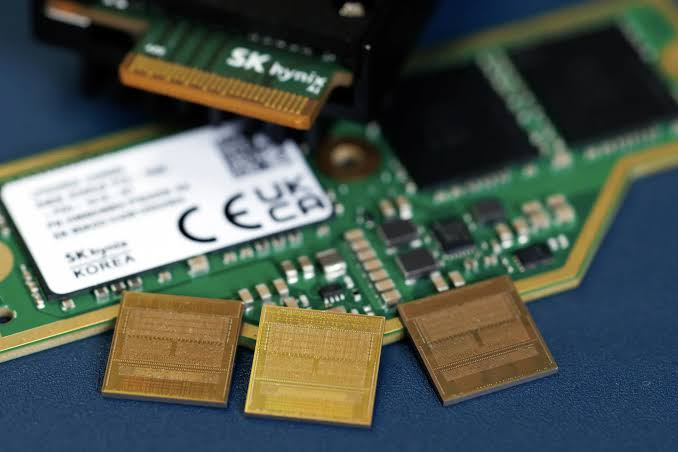
The global race to build more powerful artificial intelligence systems is creating an unexpected challenge for the electronics industry: a growing shortage of the memory chips needed to keep computers, smartphones and other devices running. As major technology companies expand their data centers, competition for high bandwidth memory is intensifying, pushing component prices to exceptional levels and placing additional pressure on consumer device manufacturers. The consequences reach far beyond the server room, raising questions about the future cost of everyday technology and how quickly semiconductor suppliers can increase production.
Why AI Data Centers Need So Much Memory
Artificial intelligence systems require enormous computing resources. Training a large AI model involves processing vast amounts of information, while operating that model for millions of users requires servers to retrieve and exchange data at very high speeds. Powerful processors alone cannot meet those demands. They also need fast memory capable of supplying information without slowing down the system.
This is where high bandwidth memory, commonly known as HBM, becomes essential. Unlike conventional memory modules, HBM uses vertically stacked memory chips connected through advanced packaging technology. This arrangement allows large quantities of data to move between memory and processors at exceptionally high speeds while using less physical space near the computing hardware.
For companies building AI infrastructure, access to HBM can influence the performance and availability of entire computing systems. Technology providers therefore compete for long term supply agreements with a relatively small group of manufacturers. As AI investment expands, the demand for these specialized components has grown faster than the industry can comfortably accommodate.
How AI Demand Is Affecting the Wider Memory Market
The shortage is not limited to high bandwidth memory itself. Producing HBM requires substantial manufacturing resources, including advanced semiconductor processes, specialized packaging and production capacity that could otherwise support other memory products. When manufacturers direct more resources toward AI related components, the supply available for conventional dynamic random access memory, or DRAM, can become tighter.
Conventional DRAM is used in laptops, desktop computers, smartphones, gaming systems and servers. It performs a different role from HBM, but both products depend on the broader memory manufacturing ecosystem. As suppliers prioritize large orders from data center customers, consumer electronics companies may find it more difficult and expensive to secure the quantities they need.
Research firm TrendForce has described how strong AI demand and the allocation of production capacity toward HBM have contributed to tight conditions across the DRAM market. Its analysis also points to growing competition for supply as manufacturers negotiate contracts for newer HBM generations. The pressure is therefore connected to both rising demand and the difficulty of expanding production quickly.
Memory Prices Reach Exceptional Levels
Memory prices have experienced sharp increases during 2026. TrendForce projected substantial increases in conventional DRAM contract prices during the second quarter, while its third quarter outlook continued to describe a tight market. Although price movements differ by product category and contract, the broader direction has placed buyers under considerable pressure.
Deloitte’s semiconductor industry analysis has also highlighted the scale of the memory shortage. Its July 2026 assessment reported that AI server DRAM costs roughly doubled during the first quarter, with further increases expected over the year. The firm warned that additional manufacturing capacity would take time to arrive, leaving businesses exposed to elevated costs in the meantime.
These increases matter because memory is a necessary component rather than an optional feature. A manufacturer cannot simply remove it from a smartphone or computer to protect its budget. Companies must instead negotiate with suppliers, redesign product configurations, absorb higher expenses or pass some of the additional cost on to customers.
Samsung, SK Hynix and Micron Face Growing Pressure
The global memory market is concentrated among a small number of major suppliers, including Samsung Electronics, SK Hynix and Micron Technology. These companies are investing in advanced memory production, but increasing output involves more than switching on additional equipment. Semiconductor facilities require specialized machinery, cleanroom space, skilled workers and carefully controlled manufacturing processes.
Recent industry developments show how strongly AI demand is influencing supplier decisions. In an October 29 report, Reuters said Samsung had sold out its high bandwidth memory supply for the following year and expected AI demand to exceed industry supply in 2027. The company also anticipated tight chip market conditions through 2028.
Such commitments illustrate the importance of long term agreements between chip suppliers and large technology customers. Data center operators want dependable access to components for expensive infrastructure projects. Memory manufacturers, meanwhile, want predictable demand before committing billions of dollars to new production capacity.
However, the same arrangements can make it harder for smaller buyers to compete. Large cloud computing companies may have the purchasing power to negotiate substantial supply agreements, while consumer device manufacturers must manage their requirements within a market where available production capacity is increasingly valuable.
Smartphones and Computers Could Become More Expensive
Consumers may feel the effects through higher prices for new electronics. Memory is only one part of a device’s total manufacturing cost, but a significant increase can affect the financial calculations behind an entire product line. Companies selling affordable smartphones and entry level laptops may face particularly difficult decisions because their customers are often more sensitive to price changes.
A manufacturer has several possible responses. It can accept lower profit margins, increase retail prices, reduce discounts or adjust the amount of memory included in certain models. Some companies may also delay product launches or concentrate on models that offer better returns.
For shoppers, the result could be a more expensive upgrade cycle. Someone planning to replace an older laptop may discover that a comparable new model costs more than expected. Smartphone buyers could also face fewer affordable options with generous memory configurations. These changes may encourage households to keep existing devices for longer rather than replacing them as frequently.
The impact will not be identical across the industry. Companies with strong supplier relationships, substantial purchasing power and larger financial reserves may be better positioned to manage higher component costs. Smaller manufacturers could have less room to absorb price increases, potentially widening the gap between major brands and budget focused competitors.
Why Building More Chip Factories Takes Time
Expanding semiconductor production is a long term undertaking. New facilities require extensive investment, specialized equipment and years of planning. Even after a factory is constructed, manufacturers must qualify production processes and achieve reliable yields before new output can reach customers at scale.
Memory production also involves a delicate balance between different product categories. Suppliers must decide how much capacity to dedicate to HBM, conventional DRAM and other memory technologies. These decisions depend on expected demand, manufacturing costs, customer contracts and the profitability of each product.
The Semiconductor Industry Association and other industry groups have repeatedly highlighted the importance of investment across the semiconductor supply chain. Yet additional spending does not guarantee immediate relief. Advanced packaging, testing equipment and other specialized processes can become bottlenecks even when manufacturers increase the number of memory wafers they produce.
AI Infrastructure Companies Must Manage Rising Costs
Large technology companies are also facing a more complicated financial environment. Building AI data centers requires substantial spending on processors, memory, networking equipment, cooling systems, electricity and physical facilities. When memory prices rise, the cost of deploying new computing capacity increases as well.
Some companies may continue spending aggressively because access to advanced AI computing is viewed as strategically important. Others may become more selective about expansion plans, focusing on systems that deliver stronger performance for each dollar invested. Higher memory costs could also encourage developers to improve software efficiency, reduce unnecessary data movement and make better use of existing hardware.
These changes could have lasting effects on the design of AI infrastructure. Hardware suppliers may pursue more efficient memory architectures, while software developers look for ways to reduce the amount of computing resources required for everyday AI tasks.
What Businesses and Consumers Can Do
Companies that depend on memory intensive equipment should pay closer attention to purchasing plans and supplier relationships. Waiting until a component shortage becomes severe can leave businesses with fewer options and less negotiating power. Longer procurement timelines, alternative product configurations and realistic equipment budgets can help reduce exposure to sudden price changes.
Consumers can take a practical approach as well. Anyone considering a new phone or computer should compare specifications carefully and think about how long the device is expected to remain useful. Replacing a working device simply because a newer model has arrived may be less attractive when component costs are rising. Keeping software updated, protecting batteries and repairing minor faults can extend the life of existing electronics.
The Memory Shortage May Continue Beyond 2026
The semiconductor industry is unlikely to resolve the current imbalance through a quick increase in production. AI infrastructure investment remains a major source of demand, while the manufacturing capacity required to support advanced memory products takes time to develop. TrendForce expects the supply situation for DRAM to remain tight into 2027, while Deloitte has warned that broader memory shortages could persist for several years.
For the industry, the challenge is to expand capacity without creating another cycle of excessive production followed by falling prices. For consumers, the immediate concern is more straightforward: essential electronics may become harder to produce at previous price levels. The situation also reveals how closely connected modern technology has become. A decision by a cloud computing company to purchase enormous quantities of advanced memory can eventually affect the cost of a laptop or smartphone in an ordinary retail store.
The AI boom is changing more than the software people use. It is reshaping the economics of the hardware that supports the digital economy. The coming years will test whether semiconductor manufacturers can increase supply, whether technology companies can manage higher infrastructure costs and whether consumer device makers can continue offering affordable products. Until production catches up with demand, memory chips are likely to remain one of the most closely watched and valuable components in the global technology market.
Further industry analysis is available through TrendForce’s semiconductor market research and the Center for Strategic and International Studies, which examines the wider economic and strategic implications of the global memory chip shortage.