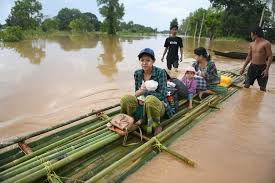
International food security discussions are gaining urgency as climate pressures, geopolitical tensions and disruptions to trade expose the fragility of the systems that move grain from farms to consumers. On November 5, 2026, the clearest confirmed policy development is the OECD Global Forum on Agriculture, held in Paris on November 3, where policymakers, agricultural experts and industry representatives examined how countries can strengthen food security and supply chain resilience. The meeting addressed practical lessons from recent disruptions, including fertilizer market volatility, but there is no verified announcement that international authorities have finalized or enacted a new global emergency grain distribution protocol. That distinction matters: cooperation is advancing, but a binding worldwide grain allocation system has not been established.
OECD Agriculture Forum Focuses on Resilience Across Food Markets
The OECD’s 2026 Global Forum on Agriculture brought together policymakers, experts, farmers and private sector representatives under the theme of agricultural resilience and food security in an interconnected world. Discussions examined how geopolitical tensions, energy price movements, environmental pressures and trade disruptions affect farmers, suppliers, food processors and consumers.
Fertilizer markets served as an important case study. Nitrogen fertilizers are closely tied to energy markets and international trade, making their availability and price a major concern for agricultural producers. When fertilizer costs rise or supplies become difficult to obtain, farmers may reduce application rates, change planting decisions or face higher production expenses. Those pressures can eventually reach food prices and household budgets.
The forum also considered how governments and businesses can prepare for future shocks without undermining the benefits of international trade. Resilient food systems need more than emergency stockpiles. They depend on reliable transport, transparent markets, productive farms, access to agricultural inputs and cooperation between countries when supplies become strained.
Why Emergency Grain Distribution Is a Difficult International Challenge
Grain is central to food security because wheat, rice and maize provide a large share of daily calories in many countries. These crops also support livestock production and food processing. A disruption to one major exporting region can therefore affect prices and availability far beyond its borders.
Emergency grain distribution sounds straightforward: identify countries facing shortages, release supplies and move them to the communities that need them. In practice, the process involves difficult decisions about available reserves, export restrictions, transport capacity, financing, storage and the needs of vulnerable populations.
Governments may be reluctant to release domestic stocks when they fear shortages at home. Export restrictions can protect local consumers in the short term, but when several major suppliers impose them at once, international markets can tighten and prices can rise. Meanwhile, humanitarian agencies may have funding and grain available but still face delays caused by damaged roads, port congestion, conflict or limited shipping capacity.
These realities explain why international coordination is valuable. Shared information about harvest conditions, reserves, trade flows and transport bottlenecks can help governments respond earlier. Clear procedures for humanitarian access and transparent decisions about export measures can also reduce uncertainty during a crisis.
Climate Change Is Increasing Pressure on Harvests and Transport
Food supply chains are exposed to climate risks at almost every stage. Prolonged drought can reduce crop yields and leave reservoirs and irrigation systems under pressure. Severe rainfall and flooding can damage fields, destroy stored grain and make rural roads impassable just as harvests need to reach markets. Heat waves can affect crop development, livestock health and the people working outdoors.
The impact does not end when a crop leaves the field. Flooded highways, damaged bridges and disrupted ports can delay deliveries. Grain held in unsuitable storage conditions may deteriorate, while electricity interruptions can affect processing facilities and temperature controlled food distribution. A harvest may be adequate on paper, yet households can still face shortages when transport and local markets fail.
That is why climate resilience must include both agricultural production and the infrastructure surrounding it. Investments in drought tolerant crop varieties, better water management, weather forecasting, storage facilities and reliable rural transport can reduce the chance that one extreme weather event becomes a wider food crisis.
FAO Warns That Trade Disruptions Can Spread Across Borders
The Food and Agriculture Organization’s 2026 report, The State of Agricultural Commodity Markets, examines how shocks move through interconnected food and agricultural trade networks. The report notes that the value of agricultural trade increased fivefold between 2000 and 2024, reaching approximately two trillion dollars. Greater integration has created opportunities for producers and consumers, but it also means disruptions can travel quickly between markets.
A supply interruption in one country can affect importers that rely on its wheat, fertilizer or other agricultural products. Those importers may then seek alternative suppliers, increasing competition and costs elsewhere. Countries with limited foreign currency reserves or heavy dependence on imported staples can be especially exposed.
The report highlights the role of trade policy and international cooperation in reducing the effects of market shocks. Predictable policies can help keep goods moving, while sudden restrictions and uncertainty can intensify price pressures. For food importing nations, access to multiple suppliers and dependable trade routes can be as important as maintaining domestic reserves.
What Stronger Food Supply Chain Preparedness Could Include
Although no new global grain distribution protocol has been confirmed, governments and international organizations already have practical tools for improving preparedness. The most effective approach combines early warning, transparent market information, targeted assistance and investment in infrastructure.
Key measures include:
- Improved early warning: Combine weather forecasts, crop monitoring and market data to identify potential shortages before they become emergencies.
- Strategic grain reserves: Maintain carefully managed stocks with clear rules for release, rotation and replenishment.
- Diversified sourcing: Reduce dependence on a single exporting country or transport corridor where practical.
- Reliable storage and transport: Improve silos, warehouses, roads, rail connections and ports to reduce losses and delivery delays.
- Targeted food assistance: Direct support toward low income households and communities most exposed to rising food prices.
- Open trade communication: Share timely information about export measures, harvest outlooks and available supplies to reduce uncertainty.
These measures work best when they are coordinated. A reserve system cannot protect consumers if grain cannot reach markets, and additional imports may not help families who cannot afford food. Food security requires both physical availability and economic access.
Upcoming Climate Talks Will Keep Agriculture on the International Agenda
Attention will turn again to food systems during the United Nations climate conference, COP31, scheduled for November 9 through November 20 in Antalya, Türkiye. Food, agriculture and health are included among the conference’s thematic priorities. The discussions are expected to connect climate action with agricultural adaptation, water management, biodiversity and the protection of livelihoods.
For farmers, the connection is immediate. Reliable rainfall, healthy soil and access to water influence whether a harvest succeeds. For governments, agricultural adaptation is also an economic and social priority because food price increases can place considerable pressure on household budgets and public finances.
The conference provides another opportunity to discuss climate finance and practical support for vulnerable agricultural communities. However, it should not be described as a grain allocation meeting or as evidence that an international emergency distribution agreement has already been adopted.
What the Discussions Mean for Farmers, Importers and Consumers
For farmers, stronger resilience policies could mean better access to weather information, more dependable agricultural inputs and support for adapting to changing growing conditions. For grain traders and food processors, clearer communication between governments could make supply planning less uncertain. For importing countries, diversified suppliers and stronger storage capacity can reduce exposure to sudden market disruptions.
Consumers may not see these policy discussions directly, but they feel the consequences when flour, bread, rice and other staples become more expensive. Families with limited incomes are particularly vulnerable because food takes up a larger share of their household spending. Emergency assistance and stable distribution systems can help prevent a temporary supply shock from becoming a prolonged hunger crisis.
Ultimately, the OECD forum reflects a growing recognition that food security cannot be managed by individual countries in isolation. Markets, weather systems, shipping routes and agricultural inputs cross national borders. The challenge ahead is to turn international dialogue into practical cooperation while protecting the farmers and communities most exposed to disruption.
International Cooperation Remains Essential, but No Global Grain Pact Is Confirmed
The November 3 OECD discussions placed agricultural resilience and food security firmly on the international policy agenda. The FAO’s 2026 analysis and the upcoming COP31 climate talks reinforce the need for stronger preparation against weather extremes, trade interruptions and volatile agricultural input markets.
Yet the distinction between discussing coordinated action and adopting a binding emergency grain protocol remains important. No verified announcement on November 5 confirms that global authorities have enacted a unified system for allocating grain across borders. The work now is to strengthen the institutions, information systems, infrastructure and agreements that could make a faster and fairer response possible when the next major disruption occurs.
For millions of households, the measure of success will not be the number of declarations made at international meetings. It will be whether food remains available, affordable and accessible when harvests fail, transport routes close or markets come under pressure.