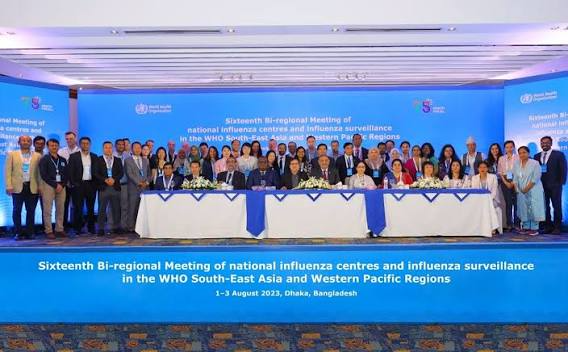
The World Health Organization is calling for stronger international cooperation as countries prepare for increased seasonal infections during the winter months. In updated public health guidance and preparedness efforts highlighted on November 5, 2026, the organization is urging governments to improve disease surveillance, coordinate vaccination programmes and strengthen vaccine distribution systems. The strategy focuses on protecting vulnerable populations from respiratory infections, including seasonal influenza, COVID 19 and respiratory syncytial virus, commonly known as RSV. With hospitals preparing for potentially overlapping outbreaks, WHO’s message is clear: early detection, equitable vaccine access and coordinated healthcare planning are essential to reducing preventable illness and protecting communities.
WHO Calls for a More Coordinated Global Public Health Response
Seasonal infectious diseases remain a significant challenge for healthcare systems around the world. As temperatures fall in many countries, respiratory viruses can circulate more widely, increasing pressure on hospitals, clinics and public health services. Older adults, young children, pregnant women and individuals with weakened immune systems are particularly vulnerable to severe complications.
The World Health Organization is encouraging countries to move beyond isolated national responses and develop more connected public health systems. This includes sharing reliable disease information, improving laboratory testing capabilities and coordinating vaccination strategies so that health authorities can identify emerging threats before they place excessive pressure on medical facilities.
A coordinated approach is particularly valuable because infectious diseases do not respect national borders. International travel, population movement and differences in seasonal weather patterns can influence how quickly viruses spread between communities and countries. A rise in infections in one region may provide an early warning for neighboring countries preparing for their own seasonal outbreaks.
WHO’s broader respiratory disease preparedness work also highlights the importance of connecting epidemiological information with practical decisions. Governments need accurate information about circulating viruses, vaccination coverage and hospital admissions to determine where additional resources are required.
Why Seasonal Respiratory Viruses Require Greater Attention
Several respiratory viruses circulate throughout the year, but their activity often increases during particular seasons. Influenza, RSV and COVID 19 can produce overlapping waves of infection, creating additional challenges for healthcare providers.
Seasonal Influenza Remains a Major Global Health Concern
Influenza is among the most significant seasonal respiratory infections. Although many people experience mild symptoms, the disease can cause serious complications, particularly among older adults, young children and people living with chronic medical conditions.
WHO estimates that seasonal influenza causes approximately 3 million to 5 million cases of severe illness worldwide each year, with between 290,000 and 650,000 respiratory deaths annually.
Annual vaccination remains an important preventive measure because influenza viruses continually change. The composition of seasonal influenza vaccines is reviewed regularly to account for the strains expected to circulate during upcoming seasons. This process requires international surveillance and cooperation between laboratories, researchers, vaccine manufacturers and public health authorities.
COVID 19 Continues to Require Monitoring
Although the emergency phase of the COVID 19 pandemic has passed, the virus continues to circulate and can cause serious illness. Its activity does not always follow the same seasonal pattern as influenza, making year round monitoring important.
Public health authorities must continue tracking new variants, hospitalization trends and changes in population immunity. Vaccination recommendations may differ according to age, health conditions and national public health policies.
Maintaining reliable surveillance systems allows governments to identify changes in disease activity and prepare healthcare services accordingly. It also helps researchers understand whether existing vaccines continue to provide protection against severe outcomes.
RSV Poses Particular Risks for Young Children and Older Adults
Respiratory syncytial virus is another important concern during seasonal respiratory disease periods. RSV commonly causes symptoms similar to those of a cold, but it can lead to more serious respiratory complications in infants, older adults and people with certain underlying health conditions.
In young children, severe RSV infections can result in bronchiolitis and pneumonia, sometimes requiring hospitalization. Older adults may also experience serious complications, particularly when they have existing heart or lung conditions.
Improved monitoring and access to recommended immunization options can help health authorities identify vulnerable populations and direct preventive resources toward communities facing the greatest risks.
Unified Disease Surveillance Becomes a Central Priority
One of the most important elements of WHO’s public health approach is stronger disease surveillance. Effective surveillance involves collecting, analyzing and sharing information about infections across healthcare facilities, laboratories and communities.
When countries rely on different reporting systems, comparing infection rates and identifying international trends can become difficult. Inconsistent reporting may also delay the detection of unusual outbreaks or changes in circulating virus strains.
Standardized surveillance practices can help address these problems by encouraging countries to use comparable indicators and reporting methods. This makes it easier for health authorities to understand where infections are increasing and whether additional public health measures are necessary.
How International Surveillance Can Improve Outbreak Preparedness
Strong surveillance networks provide several practical benefits for governments and healthcare professionals. They can help authorities:
- Identify infections earlier: Laboratory testing and community reporting can reveal increases in disease activity before hospitals experience substantial pressure.
- Monitor circulating strains: Genetic and laboratory analysis can help researchers identify changes in viruses and assess their potential public health implications.
- Track hospitalization trends: Consistent reporting helps governments understand which age groups and communities are experiencing the greatest disease burden.
- Share international information: Cooperation between countries supports faster communication about emerging health threats.
- Improve resource planning: Reliable data helps hospitals prepare staffing, medical supplies, testing facilities and available beds.
Surveillance is most effective when information reaches decision makers quickly. A reporting system that collects large amounts of data but fails to support timely action offers limited protection. Governments therefore need both technical infrastructure and trained public health professionals who can interpret findings and recommend appropriate responses.
WHO Encourages Better Vaccine Distribution and Coverage Monitoring
Access to vaccination remains one of the most important challenges in global infectious disease prevention. Even when effective vaccines are available, differences in healthcare infrastructure, manufacturing capacity, transportation and financial resources can prevent communities from receiving timely protection.
WHO is encouraging countries to strengthen vaccination planning and monitoring so that available supplies reach the populations most likely to experience severe illness. A reliable distribution network must connect manufacturers, national procurement agencies, storage facilities, healthcare providers and local vaccination centers.
Cold chain management is particularly important for vaccines that require controlled storage temperatures. Interruptions during transportation or storage can compromise vaccine quality and create unnecessary financial losses.
Countries also need accurate information about vaccination coverage. Without reliable reporting, health authorities may struggle to identify communities with low immunization rates or determine whether public health programmes are reaching their intended populations.
Monitoring Vaccination Coverage Across Different Communities
WHO published its 2026 Manual for Respiratory Virus Vaccination Coverage Monitoring and Reporting to support countries in measuring vaccination programmes for seasonal influenza, COVID 19 and RSV.
The guidance provides practical approaches, indicators and data management methods for generating accurate and comparable vaccination coverage estimates. It also explains how coverage information can help governments identify inequalities, assess programme performance and make better decisions about public health investment.
This work is significant because vaccination success cannot be measured only by the number of doses purchased or distributed. Authorities must also understand how many eligible people actually receive recommended immunizations and whether access differs between urban and rural communities.
For countries with limited healthcare resources, better coverage monitoring can help identify gaps before seasonal outbreaks create additional pressure on hospitals.
Protecting Vulnerable Populations Remains a Priority
Seasonal respiratory infections do not affect every individual in the same way. A healthy adult may recover from influenza within several days, while an older person with an existing medical condition may develop pneumonia or require hospital treatment.
For this reason, public health strategies must give particular attention to people facing a higher risk of severe disease. Vaccination programmes, accessible medical services and clear public health communication can reduce preventable complications.
Older adults, infants, pregnant women, healthcare workers and people with certain chronic conditions are among the groups that may require particular attention under national immunization recommendations.
Healthcare workers also need protection because they frequently come into contact with infected patients. Vaccination and appropriate infection prevention practices can help reduce transmission within hospitals and other medical facilities.
Equitable access is equally important. Rural communities, low income households and people living far from medical facilities may encounter difficulties obtaining vaccines or accessing timely treatment. Governments need practical outreach programmes to ensure that public health protection is not limited to people living in major cities.
Hospitals Prepare for Potential Winter Healthcare Pressures
The possibility of several respiratory viruses circulating at the same time creates a serious planning challenge for healthcare systems. Even when individual infections are relatively manageable, overlapping waves can increase demand for emergency services, diagnostic testing and hospital beds.
Hospitals must prepare for periods when patients with influenza, COVID 19 and RSV seek medical attention simultaneously. This requires effective staffing arrangements, adequate medical supplies and clear procedures for identifying patients who may need additional respiratory support.
Public health authorities also need communication systems that connect hospitals with local and national disease surveillance networks. Timely information about increasing admissions can help administrators adjust staffing and allocate resources before facilities become overwhelmed.
Preparation should not be limited to major hospitals. Primary healthcare centers, community clinics and local medical providers are essential parts of the response because they can identify infections early and guide patients toward appropriate care.
International Cooperation Can Reduce Inequalities in Healthcare
Global health preparedness depends on cooperation between countries with very different financial and medical resources. Wealthier nations may have established laboratory networks, extensive vaccination programmes and large healthcare budgets, while developing countries can face shortages of trained personnel, medical equipment and reliable transportation systems.
These differences can affect how quickly countries detect outbreaks and distribute vaccines. Strengthening international cooperation can help address these gaps through technical assistance, information sharing, training and support for national health infrastructure.
Regional partnerships are particularly useful when neighboring countries share travel routes, population movements and similar seasonal disease patterns. Coordinated reporting can provide a clearer picture of infections across borders and support faster public health decisions.
International organizations, national governments, research institutions and vaccine manufacturers all have important roles in maintaining reliable supply networks. Cooperation can also improve the availability of information about vaccine safety, effectiveness and changing disease patterns.
What Governments and Individuals Can Do Before Winter
Although international public health policies are essential, protecting communities also depends on practical actions at national and individual levels. Governments must ensure that vaccination services are accessible, while healthcare providers need to communicate preventive recommendations clearly.
Individuals can also reduce the risk of respiratory infections by following basic protective practices:
- Follow national medical recommendations regarding seasonal vaccinations.
- Wash hands regularly, particularly after visiting public places.
- Cover the mouth and nose when coughing or sneezing.
- Stay home when experiencing symptoms of a contagious respiratory infection whenever possible.
- Wear a suitable mask when experiencing respiratory symptoms or when recommended by healthcare professionals.
- Maintain good indoor ventilation by allowing fresh air to circulate.
- Seek medical advice when symptoms become severe or when a vulnerable person develops signs of serious illness.
People at higher risk should consult qualified healthcare professionals about the vaccinations and preventive measures recommended for their circumstances. Public health guidance may differ between countries because vaccine availability, eligibility policies and circulating viruses are not identical everywhere.
What the WHO Strategy Means for Developing Countries
Developing countries may face some of the greatest challenges when preparing for seasonal disease increases. Limited laboratory capacity, shortages of medical staff and gaps in vaccine distribution can make early outbreak detection and prevention more difficult.
For countries such as Pakistan, strengthening disease surveillance and vaccination coverage is particularly relevant. Large populations, differences in access to healthcare and pressure on public hospitals make reliable public health planning essential.
Improved coordination between national health authorities, provincial departments, hospitals and international partners can help identify vulnerable communities and address gaps in preventive services.
Reliable vaccination records can also support better planning. When authorities understand which populations have low immunization coverage, they can organize targeted outreach campaigns rather than relying exclusively on general announcements.
International technical support and access to standardized reporting methods may help developing healthcare systems improve their ability to respond to seasonal infections and future public health emergencies.
Looking Ahead: Building Stronger Global Health Preparedness
The WHO approach reflects a broader recognition that effective infectious disease prevention requires preparation throughout the year rather than emergency action only after outbreaks begin. Continuous surveillance, reliable laboratory networks, vaccination planning and cooperation between healthcare systems can help countries respond more effectively to changing disease patterns.
However, the success of these efforts will depend on implementation. Publishing recommendations is only one part of the process. Governments must translate international guidance into funded national programmes, trained healthcare workforces and practical services that communities can access.
Health authorities will also need to evaluate their preparedness regularly. Vaccine coverage, laboratory reporting, hospital admissions and access to essential medical supplies should remain important indicators when assessing whether national strategies are working.
WHO’s continuing work on respiratory disease surveillance and vaccination coverage provides countries with useful tools for improving these systems. Readers can follow international public health guidance and seasonal influenza updates through the World Health Organization and explore regional respiratory disease information through the Pan American Health Organization.
A Shared Responsibility for Protecting Public Health
As countries prepare for increased seasonal respiratory infections, the need for coordinated public health action remains clear. Stronger surveillance can help detect emerging threats, while dependable vaccine distribution networks can improve access to preventive protection. Better communication between governments, healthcare providers and communities can also reduce confusion and encourage timely action.
The coming winter season will test the readiness of healthcare systems in different parts of the world. Some countries may experience greater pressure than others, but the underlying challenge is shared: preventing avoidable illness while ensuring that vulnerable people receive the care and protection they need.
Ultimately, global health security depends on consistent cooperation rather than isolated responses. By improving disease monitoring, addressing vaccination inequalities and investing in stronger healthcare infrastructure, countries can become better prepared for seasonal outbreaks and future infectious disease threats. The greatest measure of success will not simply be the number of guidelines published, but how effectively those recommendations protect people and strengthen communities.