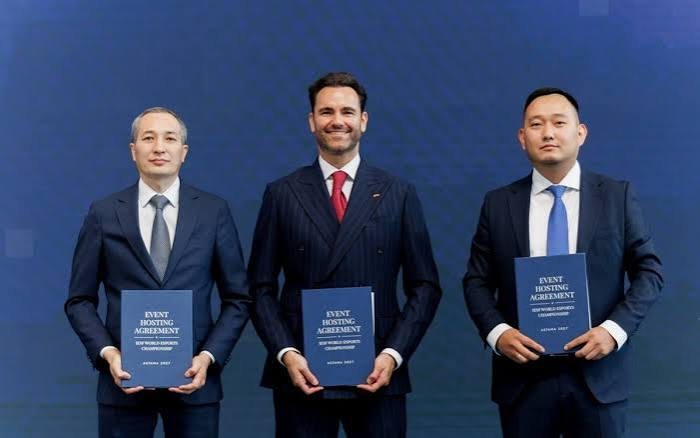
The international esports industry is beginning to prepare for another major competitive season as gaming publishers and global esports organizations move toward finalizing plans for their 2027 championship events. On November 7, 2026, announcements concerning venue selections and tournament structures highlighted the growing importance of international coordination in professional gaming. These preparations are expected to influence how teams qualify, how competitions are organized, and how fans experience some of the industry’s most anticipated events.
For professional players, tournament organizers, sponsors, and millions of esports followers, championship planning involves much more than selecting a venue. Competition formats determine how teams progress, how individual performances are evaluated, and how much room players have to recover from an unexpected defeat. Venue decisions also influence audience capacity, broadcast production, travel arrangements, and the financial requirements of participating organizations.
Although individual tournament schedules and arrangements may differ between publishers, the latest announcements reflect a broader effort to establish clearer structures for the 2027 international esports calendar. The coming months will be important for organizations preparing their rosters, securing sponsorship agreements, and planning their competitive campaigns.
International Esports Organizations Prepare for the 2027 Championship Season
Esports has developed into a major international entertainment and competition industry, bringing together professional gaming organizations, publishers, tournament operators, broadcasters, and regional communities. Large championship events attract participants from multiple countries and provide a platform for players to compete at the highest level of their respective games.
Global esports bodies play an important role in coordinating competitions and supporting international participation. Their responsibilities can include establishing competition standards, organizing national representation, developing regional qualification pathways, and working with local organizers to deliver major events.
Gaming publishers have a different but equally important position. Because publishers control the intellectual property and competitive rules of their games, they often influence tournament eligibility, official formats, licensing arrangements, and the overall structure of professional competition.
The relationship between these organizations is particularly important when an international championship involves multiple games or regional tournaments. Clear communication helps prevent scheduling conflicts, establishes consistent expectations, and gives participating teams sufficient time to prepare.
Venue Selections Could Shape the 2027 Esports Experience
Choosing a championship venue is one of the most important decisions in organizing an international esports event. A successful location must provide more than an attractive stage. Organizers need reliable internet infrastructure, suitable production facilities, sufficient audience capacity, secure player areas, and accommodation options for teams and visitors.
Major esports championships increasingly combine competitive gaming with live entertainment. Large screens, professional lighting, audience interaction, commentary stages, and broadcast facilities help create an atmosphere that connects spectators inside the venue with viewers watching online.
For players, the technical environment is equally important. Competitive gaming requires stable network connections, consistent equipment configurations, controlled playing conditions, and dependable tournament operations. Even minor technical disruptions can affect competitive integrity, particularly during high stakes matches.
Why Host Cities Compete for International Gaming Events
Hosting an international esports championship can provide economic and promotional opportunities for a city. Visitors may spend money on accommodation, restaurants, transportation, entertainment, and local tourism activities. Large events can also introduce a destination to international audiences through livestreams and media coverage.
Local governments and tourism organizations may therefore view esports championships as part of their wider event strategies. A successful tournament can strengthen a city’s reputation as a destination for technology, entertainment, and international gatherings.
However, hosting responsibilities require considerable preparation. Organizers must consider venue security, transportation, accommodation availability, accessibility, medical support, and emergency arrangements. International events also require coordination around travel documentation and local regulations.
Competition Format Decisions Will Influence the Road to Championship Finals
Tournament format is another central element of the 2027 championship preparations. Different competitive structures can produce very different experiences for players and viewers. Organizers must balance fairness, entertainment, scheduling requirements, and the number of participating teams when selecting a format.
Group stages are commonly used to give multiple teams opportunities to compete before the elimination rounds begin. Teams are divided into groups and play a predetermined number of matches, with the strongest performers advancing to the next stage.
Single elimination brackets provide a more direct route to the championship title. A team that loses its elimination match is removed from the competition, creating considerable pressure in every round. Double elimination formats offer an additional opportunity because teams generally need to lose twice before being eliminated.
Some esports competitions also use Swiss system structures, where teams with similar match records are paired against one another over several rounds. This can help organizers determine which competitors deserve to advance without requiring every participant to play every other team.
How Different Tournament Structures Affect Players
Each competition format creates distinct strategic challenges. A single elimination event rewards immediate performance but leaves little room for recovery after a poor match. Double elimination can provide a more comprehensive assessment of team strength, although it requires additional match time and scheduling capacity.
Group stages may give teams more opportunities to demonstrate consistency, but the results can depend heavily on group allocation and tie breaking rules. Swiss systems can offer competitive flexibility, although they require careful scheduling and clear qualification criteria.
For the 2027 season, teams will need to study the official rules of each championship rather than assume that familiar formats will remain unchanged. Match length, map selection, roster eligibility, substitution rules, and qualification requirements can all influence preparation strategies.
Gaming Publishers Remain Central to International Championship Planning
Major gaming publishers have significant influence over the structure of professional esports. Unlike traditional sporting organizations, where independent governing bodies often control the competition, many esports ecosystems depend directly on the companies that develop and publish the games.
Publishers may operate their own professional leagues, license tournament organizers, approve regional competitions, or coordinate global championship events. Their decisions can affect the number of participating teams, qualification opportunities, competitive schedules, and the commercial structure surrounding major tournaments.
Games such as League of Legends, VALORANT, Counter Strike 2, Dota 2, and Mobile Legends: Bang Bang demonstrate the diversity of modern competitive gaming. Each title has its own audience, competitive traditions, tournament structure, and professional ecosystem.
This diversity makes coordination particularly important. A championship calendar must consider the needs of players, teams, broadcasters, and fans while avoiding unnecessary conflicts between major competitions.
Regional Qualification Systems Create Opportunities for New Teams
International championships often depend on qualification systems that determine which teams earn places in the final competition. These pathways may include regional leagues, national tournaments, open qualifiers, ranking systems, or publisher organized competitions.
Regional qualification is especially important for developing esports markets. Teams outside the largest professional leagues may have limited access to major international events, making transparent qualification opportunities essential for competitive growth.
For emerging organizations, an open and clearly explained qualification system can provide a realistic route toward international recognition. It also encourages investment in coaching, player development, and local competition infrastructure.
However, qualification systems must be carefully designed. Organizers need to communicate eligibility conditions, match procedures, roster requirements, and deadlines well in advance. Unclear regulations can create disputes and place additional pressure on smaller organizations that have fewer administrative resources.
Broadcasting and Digital Audiences Remain Essential to Esports Growth
While live attendance remains an important part of major gaming championships, online broadcasting continues to provide the industry’s largest opportunity to reach international audiences. Livestreaming platforms allow fans to follow competitions regardless of their location, creating communities that extend far beyond the host city.
Professional esports broadcasts have also become increasingly sophisticated. Tournament coverage can include expert commentary, player interviews, real time statistics, match analysis, and behind the scenes content. These features help viewers understand the competitive decisions taking place during matches and develop stronger connections with participating teams.
For tournament organizers, broadcasting arrangements must be considered early in the planning process. Production teams need reliable connectivity, suitable camera positions, technical equipment, and clear communication with game publishers. International broadcasts may also require multiple language options and regional distribution agreements.
Publishers and broadcasters will therefore have an important role in determining how effectively the 2027 championship series reaches its intended audiences. Strong online coverage can help smaller regional competitions gain recognition and introduce new players to international esports communities.
Commercial Partnerships and Sponsorship Opportunities Expand
Major esports championships provide valuable opportunities for brands interested in reaching younger, digitally engaged audiences. Technology companies, computer hardware manufacturers, telecommunications providers, entertainment businesses, and consumer brands have all shown interest in competitive gaming as a promotional environment.
Venue announcements and confirmed tournament structures can make sponsorship planning more straightforward. Companies need to understand the expected audience, event duration, participating teams, broadcast arrangements, and available promotional opportunities before committing resources.
For professional organizations, sponsorship revenue can support player salaries, coaching staff, travel expenses, equipment, and training facilities. Smaller teams may also benefit from partnerships that provide essential technical resources and help them compete against more established organizations.
Nevertheless, commercial growth must be balanced with the interests of players and fans. Sponsorship arrangements should support a professional competitive environment without creating unnecessary distractions or undermining the credibility of tournament operations.
Challenges Facing International Esports Organizers in 2027
Despite the industry’s continued expansion, organizing international gaming championships involves several practical challenges. Travel expenses, visa arrangements, technical requirements, and differences between regional regulations can create complications for teams and tournament operators.
Competitive fairness is another major concern. Organizers must establish consistent rules covering equipment, player eligibility, match conditions, anti cheating measures, and dispute resolution. These standards become especially important when participants travel from different countries and compete under significant public attention.
There is also the question of player welfare. Professional esports competitors frequently face demanding training schedules, international travel, performance pressure, and the physical consequences of extended periods of gaming. Tournament calendars should allow sufficient recovery time and encourage responsible working conditions.
Smaller organizations may experience additional difficulties because they have fewer financial and administrative resources. Clear qualification procedures, reasonable scheduling, and accessible tournament information can help reduce some of these barriers.
What Teams and Fans Should Watch Before the 2027 Championships
As organizers release additional information, professional teams and esports followers should pay attention to several developments that could influence the competitive season.
- Official venue confirmations: Check the announced host cities, event locations, audience arrangements, and tournament dates.
- Qualification announcements: Follow regional competitions, open qualifiers, and official pathways into international championships.
- Competition regulations: Review match formats, roster requirements, eligibility rules, and tie breaking procedures.
- Broadcast schedules: Look for confirmed livestreaming platforms, regional coverage, and viewing times.
- Team announcements: Monitor roster changes, coaching appointments, and player transfers ahead of the competitive season.
Fans seeking reliable information about international esports development can follow the Global Esports Federation, which provides information about its international activities, events, and esports initiatives. Those following individual game competitions should also consult the relevant publisher’s official tournament channels for confirmed schedules and regulations.
What the Latest Announcements Mean for the Future of Esports
The preparation of international championship venues and competition formats reflects the increasing organizational demands of professional gaming. As esports events attract participants and viewers from different regions, tournament operators must deliver competitions that are technically reliable, commercially sustainable, and fair to everyone involved.
The 2027 season could provide further opportunities for regional teams to reach international audiences and for established organizations to strengthen their competitive positions. However, the success of these championships will depend on more than impressive venues or large prize pools. Consistent administration, transparent rules, dependable broadcasting, and meaningful opportunities for players will remain essential.
For gaming publishers, the challenge will be to maintain competitive ecosystems that support both established professionals and emerging talent. For international esports organizations, cooperation between countries, publishers, and tournament operators will be important in maintaining consistent standards.
Fans, meanwhile, can expect the next phase of announcements to provide a clearer picture of the competitions, participating teams, and viewing opportunities planned for 2027. The official release of tournament schedules and qualification details will be particularly important for supporters planning to attend events or follow their favorite teams throughout the season.
Conclusion: The Road to Esports Championships 2027 Begins to Take Shape
The developments reported on November 7, 2026, highlight an important planning stage for the international esports industry. Major gaming publishers and global esports organizations are moving toward final venue selections and competition format decisions for upcoming 2027 championship series.
These preparations will influence how teams qualify, how tournaments operate, and how audiences experience international competitive gaming. They also create opportunities for host cities, commercial partners, broadcasters, and developing esports communities.
Although further official details will be needed to establish the complete championship calendar, the direction of planning reflects the importance of stronger international coordination. The coming season will test the ability of organizers to combine competitive integrity, professional standards, accessible participation, and engaging live entertainment.
Ultimately, the future of international esports will depend on creating competitions that offer meaningful opportunities to players while giving fans compelling reasons to remain connected. With the 2027 championship preparations gaining momentum, the next announcements could help define another significant chapter in professional gaming.