Global real estate investment trusts are reshaping their portfolios as demand for commercial property changes across major markets. Rather than relying as heavily on traditional downtown office towers, major REITs are placing greater priority on industrial logistics facilities and data infrastructure. The shift reflects changing business needs, evolving technology, and a closer examination of which property types can deliver reliable income over the long term. For investors, tenants, and property owners, this restructuring signals a significant change in how commercial real estate value is being assessed across borders.
Why Global Real Estate Portfolios Are Being Restructured
Commercial real estate has entered a period of reassessment. For decades, central business districts were among the most recognizable symbols of institutional property investment. Large office buildings offered long leases, established corporate tenants, and a visible presence in major financial centers. However, workplace changes, corporate cost controls, and varying office occupancy patterns have made some traditional office assets less attractive to investors.
REITs, which own and manage income producing real estate on behalf of shareholders, must continually evaluate how their properties perform. Their decisions involve more than short term rental income. Management teams also consider financing costs, maintenance requirements, tenant demand, future development expenses, and the potential resale value of individual assets.
As these factors change, portfolio restructuring becomes a way to redirect capital toward property categories that better match current economic activity. Industrial distribution centers and data infrastructure facilities have become important priorities because they support essential business operations. Goods still need to move through supply chains, while companies increasingly depend on secure computing capacity and reliable digital networks.
Industrial Logistics Hubs Gain Strategic Importance
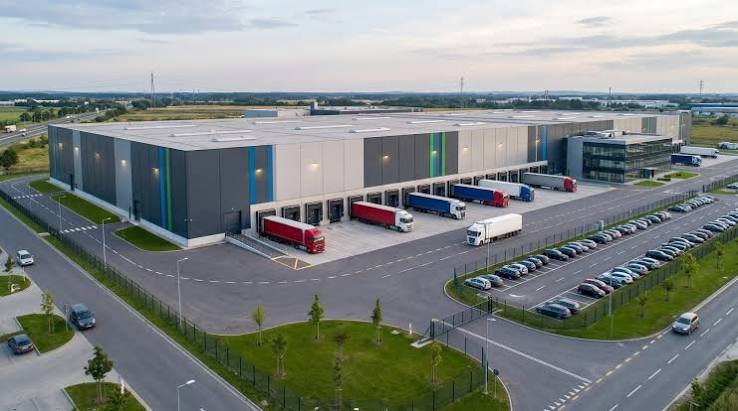
Industrial logistics property has become an important part of the global commercial real estate market. Warehouses, distribution centers, fulfillment facilities, and transportation linked industrial sites support the movement of products from manufacturers to retailers and consumers. Their importance is visible in the everyday journey of a package, from a regional storage facility to a delivery vehicle and finally to a customer’s doorstep.
Businesses increasingly seek facilities that offer convenient access to highways, ports, airports, rail connections, and large population centers. A well located warehouse can help a company reduce delivery times, manage inventory, and respond to changing customer demand. These practical advantages make location and building specifications central to the value of industrial real estate.
Supply chain resilience supports demand
Companies have become more attentive to supply chain resilience after experiencing disruptions caused by transportation delays, geopolitical uncertainty, and changing trade conditions. Many businesses now want distribution networks that provide greater flexibility across regions. This can increase interest in strategically located logistics facilities, particularly properties that can accommodate modern storage systems, automation, and efficient loading operations.
For REITs, industrial assets can offer several investment advantages. Long term leases may provide a degree of income visibility, while facilities in established distribution corridors can attract tenants from different industries. However, performance is not guaranteed. Oversupply, rising construction costs, weak consumer demand, and competition from newer facilities can affect rental growth and property values.
Data Infrastructure Becomes a Major Investment Priority
Data centers and related digital infrastructure have emerged as another major focus for commercial property investors. These facilities provide the physical environment needed to operate servers, store information, and support cloud computing, enterprise software, financial transactions, and artificial intelligence applications.
Unlike conventional office buildings, data centers are designed around technical requirements. They need dependable electricity, advanced cooling systems, physical security, backup power, and reliable network connections. Their operating needs can make development complex and capital intensive, but suitable facilities may attract tenants that require specialized infrastructure and long term capacity.
Artificial intelligence and cloud services increase infrastructure needs
The expansion of artificial intelligence, cloud platforms, and digital services has increased attention on computing capacity. Businesses use large volumes of data to manage operations, develop products, analyze customer behavior, and support automated systems. Governments and institutions also depend on digital infrastructure for essential services.
This growing reliance on computing creates opportunities for property owners that can secure suitable sites and deliver the technical requirements tenants expect. Access to electricity is particularly important. A location with available power capacity, suitable cooling conditions, and strong telecommunications connections may be more attractive than a site that offers only inexpensive land.
Investors must nevertheless consider the risks. Data center development can require substantial upfront spending, and delays in power connections or construction approvals can affect project schedules. Rapid changes in technology may also influence the specifications tenants require. The sector therefore demands careful evaluation of infrastructure, financing, tenant commitments, and future operating costs.
What Is Driving the Retreat From Traditional Downtown Offices?
The shift away from some traditional office properties does not mean that office buildings have lost all investment value. Major financial districts continue to attract businesses, professional services, government institutions, and organizations that benefit from face to face collaboration. Well located buildings with modern facilities and strong tenant demand can remain competitive.
The challenge is that office demand has become more selective. Hybrid working arrangements have changed how many companies use their premises. Some organizations have reduced their leased space, while others have chosen smaller offices designed around meetings and collaboration rather than daily attendance by every employee.
Older buildings can face additional pressure. Tenants may expect modern heating and cooling systems, efficient elevators, reliable connectivity, attractive shared spaces, and lower energy consumption. Meeting these expectations can require expensive renovations. Owners must decide whether upgrading an existing property is financially justified or whether selling the asset would allow capital to be used more productively elsewhere.
These pressures can create different outcomes within the same city. A modern office building in a well connected district may continue to attract strong tenants, while an older property with high operating costs and limited renovation potential may struggle. This distinction is important because broad assumptions about the future of office real estate can overlook differences in building quality and local market conditions.
Cross Border Investment Requires More Than a Change in Property Type
Restructuring global portfolios introduces challenges that extend beyond choosing warehouses over offices. REITs investing across countries must assess local property laws, tax systems, financing conditions, currency movements, planning regulations, and political risks. A logistics facility that performs well in one market may face different demand conditions in another.
Industrial investment is closely connected to trade patterns, manufacturing activity, transportation networks, and consumer spending. Data infrastructure depends on electricity availability, telecommunications capacity, environmental requirements, and national rules governing data storage and security. These differences make local expertise essential when evaluating international acquisitions or disposals.
Currency exposure also matters. A REIT that earns rental income in one currency but reports financial results in another may experience changes in reported earnings as exchange rates move. Interest rate differences between countries can further influence financing costs and property valuations.
Investors should therefore look beyond headline portfolio announcements. The quality of individual assets, tenant creditworthiness, lease structures, debt maturity schedules, and local market fundamentals provide a clearer picture of whether a restructuring strategy is financially sustainable.
What the Shift Means for Investors and Property Markets
For shareholders, the changing allocation of real estate capital creates both opportunities and risks. Industrial logistics and data infrastructure may offer exposure to business activities that remain important as commerce and technology develop. Yet demand for these assets does not automatically translate into attractive investment returns. Property prices can rise faster than rental income, borrowing costs can reduce profitability, and new development can create competition.
Office property owners may face pressure to reconsider their strategies. Some could invest in renovations, energy efficiency, and tenant focused improvements. Others may explore alternative uses where local zoning rules and building conditions permit. Residential conversion, hospitality, educational facilities, and mixed use redevelopment can offer possibilities, although each option requires careful financial and regulatory assessment.
For cities, the consequences may extend into local employment and urban planning. Downtown districts depend on office workers to support restaurants, retailers, public transportation, and other services. If office occupancy remains below previous levels, municipal authorities and property owners may need to reconsider how central districts are used throughout the day.
Key Factors to Watch in the Next Phase of Commercial Real Estate
As REITs continue adjusting their international portfolios, several indicators can help investors understand whether the shift is producing durable results:
- Industrial occupancy and rental growth: These figures can show whether demand for warehouses and distribution facilities is keeping pace with new supply.
- Data center power availability: Electricity access and infrastructure capacity can determine whether planned developments are commercially viable.
- Office leasing activity: Tenant demand, lease renewals, and vacancy levels can reveal which office markets remain resilient.
- Debt and financing costs: Borrowing conditions influence acquisition decisions, development budgets, and shareholder distributions.
- Portfolio concentration: Investors should assess whether a REIT is becoming too dependent on one property category, tenant, or geographic market.
Broader market information from the National Association of Real Estate Investment Trusts can help investors follow industry developments and understand the structure of publicly traded real estate investment. For a wider view of international property conditions, the JLL global real estate platform provides research and market perspectives across major property sectors.
A More Selective Future for Global Commercial Property
The portfolio adjustments announced by major REITs reflect a changing definition of valuable commercial real estate. Property investment is increasingly tied to the infrastructure that supports how people shop, how companies move goods, and how businesses store and process information. Industrial logistics facilities and data centers have gained attention because they serve practical economic needs that extend across national borders.
Traditional office towers will remain part of the commercial property landscape, but their investment appeal is likely to depend more heavily on location, building quality, operating efficiency, and the ability to meet modern tenant expectations. Some properties may require substantial reinvestment, while others may need a different purpose to remain economically useful.
For global REITs, the central challenge is balancing opportunity with discipline. Moving capital toward growing sectors can strengthen a portfolio, but only when acquisitions, financing, and local market conditions support realistic long term returns. The most successful investors will be those who recognize that commercial real estate is not simply about owning buildings. It is about owning the right facilities, in the right locations, with the right tenants, for the needs of a changing economy.