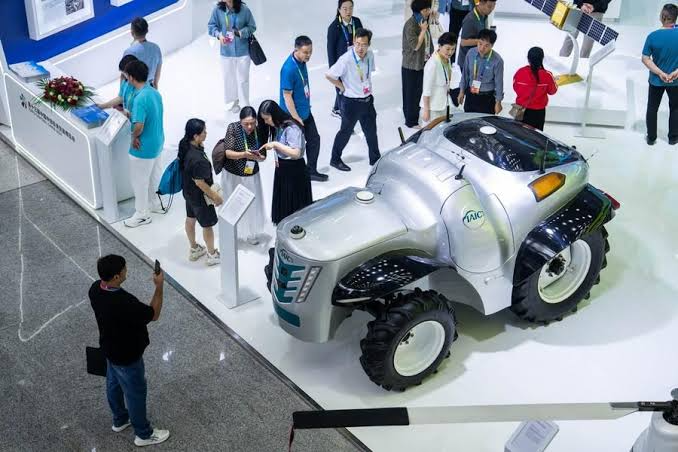
Changsha, China, is strengthening its position in international commerce through a major global procurement and trade facilitation initiative designed to connect businesses, attract international investment, and create new opportunities for cross border trade. The initiative, highlighted on November 16, 2026, follows the 2026 Changsha International Purchase and Regional Partners Conference on Trade Facilitation, which brought together hundreds of companies, industry representatives, and international business leaders. With participants from 48 countries and regions, the gathering demonstrated Changsha’s growing ambition to become a central destination for international procurement, industrial cooperation, and global supply chain partnerships.
At the heart of the initiative is a straightforward objective: make it easier for international buyers to identify reliable suppliers while helping domestic manufacturers access overseas markets. By bringing procurement opportunities, business services, and investment discussions together, Changsha is seeking to establish stronger commercial relationships that extend beyond individual transactions. The approach reflects a broader effort to build lasting connections between Chinese industries and international markets.
Changsha Brings Together Global Businesses and Procurement Opportunities
The international conference opened in Changsha on November 11, 2026, under the leadership of the Changsha Municipal People’s Government, with support from the China Council for the Promotion of International Trade Changsha Branch and the municipal Logistics and Port Office. The event attracted more than 500 enterprises and institutions, alongside over 700 guests representing 48 countries and regions across Asia, Europe, the Americas, and Africa.
Participants included representatives of multinational corporations, Fortune Global 500 companies, listed businesses, leading manufacturers, specialized enterprises, and international trade organizations. Their presence reflected the importance of direct business engagement in an increasingly interconnected commercial environment.
Rather than limiting discussions to general investment presentations, the conference focused on practical commercial opportunities. International buyers and domestic suppliers were given opportunities to discuss procurement requirements, compare business capabilities, identify potential partners, and explore cooperation arrangements.
For smaller manufacturers, access to international buyers can be particularly valuable. Establishing overseas business relationships often requires significant resources, market knowledge, and reliable commercial contacts. A coordinated procurement platform can help reduce some of these barriers by bringing relevant companies into the same business environment.
International Procurement List Opens New Business Opportunities
One of the most significant developments at the conference was the release of the 2026 to 2027 International Procurement Needs List. The document contains more than 200 procurement opportunities, providing domestic and international businesses with a clearer picture of purchasing requirements and potential commercial partnerships.
The procurement opportunities cover industries that represent important parts of Changsha’s industrial economy. These include construction machinery, rail transit, new energy equipment, robotics, semiconductor modules, and artificial intelligence computing equipment.
For international buyers, a consolidated procurement list offers a practical starting point for identifying manufacturers and evaluating potential suppliers. For Chinese companies, it provides greater visibility into overseas demand and helps businesses understand where their products and technical capabilities may find customers.
The conference also introduced a Supply and Demand Manual covering more than 120 enterprises. The publication serves as a business reference for buyers, suppliers, and professional service providers seeking suitable commercial partners.
Together, these resources are intended to make procurement discussions more focused. Instead of relying entirely on broad networking activities, businesses can begin conversations with a better understanding of available products, purchasing requirements, and potential areas of cooperation.
New Business Services Support Companies Entering International Markets
Finding an overseas customer is only one part of international business expansion. Companies must also consider transportation, customs procedures, financial arrangements, insurance, legal requirements, and after sales support. These operational challenges can become particularly complicated for manufacturers entering unfamiliar markets for the first time.
Changsha’s initiative addresses these needs through a wider network of professional services designed to support businesses expanding beyond domestic markets.
During the conference, 20 additional service provider partners joined the Changsha Service Ecosystem for Going Global. Another 10 experts were added to the Changsha International Procurement Expert Database. These developments are intended to strengthen the professional assistance available to companies pursuing international procurement and overseas expansion.
The service network can help businesses identify appropriate support in areas such as international logistics, market development, commercial consulting, and overseas operations. Access to experienced professionals is especially important when companies must navigate different regulatory environments and establish relationships with unfamiliar business partners.
For international suppliers considering cooperation with Chinese manufacturers, these services may also help clarify procurement arrangements and improve communication between participating businesses.
Trade Facilitation Remains Central to Changsha’s International Strategy
Beyond business matchmaking, the initiative reflects Changsha’s broader efforts to improve cross border trade conditions. Efficient international commerce depends on more than competitive products and attractive prices. Companies also need predictable customs procedures, dependable transportation networks, accessible financial services, and clear regulatory requirements.
China has expanded its national cross border trade facilitation campaign in 2026, increasing the number of participating pilot cities from 25 to 45. Changsha is among the cities included in the expanded program. The campaign focuses on improving goods and services trade, supporting digital commerce, encouraging greener business practices, and making international logistics more efficient.
Changsha Customs has introduced 25 measures tailored to local trade conditions. These measures address areas including customs clearance, support for emerging foreign trade models, and improvements to the business environment at ports.
These developments are relevant to the city’s procurement initiative because successful international partnerships depend on the ability to move products efficiently after commercial agreements are reached. A buyer and supplier may identify an attractive opportunity, but delays in documentation, shipping, or customs processing can increase costs and weaken the commercial relationship.
By connecting procurement matchmaking with wider trade facilitation efforts, Changsha is attempting to address both the commercial and operational sides of international business.
European Multinational Companies Explore Cooperation With Changsha
European business participation added another important dimension to the conference. The gathering coincided with the European Multinational Corporations CEOs’ Changsha Visit, bringing international corporate leaders into discussions about investment, industrial cooperation, and regional market opportunities.
Changsha Mayor Chen Bozhang met with representatives of the visiting European multinational corporations. Vice Mayor Zheng Ping also delivered a thematic presentation and held discussions with international buyers, service providers, and economic and trade institutions.
The discussions reflected Changsha’s interest in building stronger relationships with European companies, particularly in industries connected with advanced manufacturing, green development, and industrial technology.
European businesses bring experience in engineering, environmental technologies, industrial management, and specialized manufacturing. Meanwhile, Changsha offers an established industrial base and access to China’s wider manufacturing and consumer markets. Cooperation between these business communities could create opportunities for technology exchange, industrial investment, and longer term supply chain relationships.
Scott Munafò, China CEO of Allianz Trade, expressed interest in bringing the company’s professional expertise to Changsha and exploring opportunities in the local market. The participation of companies with international experience in trade credit insurance also highlights the importance of financial risk management in cross border commercial relationships.
Industry Discussions Address Logistics, Payments, and Green Technology
The conference extended beyond traditional procurement discussions through several specialized sessions held on November 12. These sessions addressed three important areas of international business: green equipment and operation and maintenance services, cross border payments and financial solutions, and transportation corridors, logistics, and shared overseas warehouses.
Each topic addresses a practical challenge facing businesses that operate across international markets.
Green Equipment and Industrial Cooperation
Demand for environmentally responsible industrial equipment is creating new opportunities for manufacturers and technology providers. Discussions about green equipment and maintenance services offered participants a chance to explore cooperation involving energy efficiency, industrial operations, and sustainable manufacturing.
These areas are particularly relevant as companies increasingly consider operating costs, environmental performance, and resource efficiency when selecting international suppliers.
Cross Border Payments and Financial Solutions
International payments remain an essential part of global procurement. Businesses must manage currency differences, transaction costs, payment security, and financial exposure when dealing with overseas partners.
The dedicated financial sessions provided an opportunity to examine solutions that could make international transactions more practical and reliable. Better access to financial services can help companies manage procurement agreements and develop confidence in long term commercial relationships.
International Logistics and Overseas Warehousing
Transportation infrastructure plays a major role in determining whether international trade agreements can succeed. Companies need dependable freight services, suitable distribution arrangements, and efficient delivery networks to serve customers in different regions.
Discussions about transportation corridors and shared overseas warehouses highlighted the importance of logistics cooperation. Overseas warehousing can help exporters position inventory closer to international customers, potentially reducing delivery times and improving distribution flexibility.
Changsha’s Growing Position in International Trade
The procurement initiative is supported by the city’s expanding international commercial activity. From January through October 2026, Changsha recorded total imports and exports of 264.69 billion yuan, representing year on year growth of 13.1 percent.
The city’s economic and trade relationships extended across 233 countries and regions worldwide. Changsha also recorded the highest actual outbound investment among provinces in central China, reflecting its increasing participation in international economic activity.
These figures provide important context for the procurement conference. Changsha is not approaching international cooperation as an entirely new economic direction. Instead, the city is building on existing manufacturing capabilities, established trade relationships, and its growing connections with overseas markets.
Its industrial strengths include construction machinery, rail transportation, advanced manufacturing, and emerging technology sectors. These industries provide a foundation for attracting international buyers looking for established production capabilities and opportunities to develop new supplier relationships.
Changsha’s inland location also makes transportation connectivity particularly important. Stronger freight corridors, efficient customs procedures, and cooperation with international logistics providers can help connect local manufacturers with customers across distant markets.
What the Initiative Could Mean for International Buyers and Suppliers
The success of global procurement programs depends on whether initial discussions lead to practical business agreements. For international buyers, Changsha’s initiative provides an opportunity to explore a wider selection of manufacturers and industrial suppliers through coordinated matchmaking activities.
For suppliers, participation can create access to international purchasing requirements and potential customers that might otherwise be difficult to reach. Businesses may also gain a better understanding of overseas market expectations, including product specifications, delivery arrangements, quality standards, and financial requirements.
Companies considering participation in similar international procurement opportunities should approach the process with clear commercial objectives. Buyers can benefit from preparing detailed product specifications, estimated purchasing volumes, delivery expectations, and supplier qualification requirements. Suppliers, meanwhile, should have accurate product documentation, transparent pricing, production capacity information, and a clear understanding of their export readiness.
Businesses should also evaluate potential partners carefully. Commercial due diligence, contractual clarity, payment security, product compliance, and logistics planning remain essential before entering an international agreement.
These practical considerations will determine whether the connections created through the conference develop into sustainable commercial relationships.
International Cooperation Could Shape Changsha’s Next Phase of Growth
Changsha’s global procurement and trade facilitation initiative represents a coordinated effort to connect local industrial capabilities with international business demand. By bringing together more than 700 guests from 48 countries and regions, releasing procurement information covering more than 200 opportunities, and introducing additional professional service partners, the conference created a substantial foundation for further commercial cooperation.
The initiative also demonstrates that international trade development requires cooperation across multiple sectors. Manufacturers need access to buyers, buyers need dependable suppliers, and both sides require financial, legal, and logistical support to complete transactions successfully.
For Changsha, the next challenge will be converting conference discussions into measurable results, including completed procurement agreements, new investment projects, stronger supply chain relationships, and sustained growth in international trade.
Businesses interested in the wider framework of international trade facilitation can explore the World Trade Organization’s Trade Facilitation Agreement, which outlines international efforts to simplify customs procedures and make cross border trade more efficient. Further information about Changsha’s procurement developments and local economic initiatives is available through the Hunan Government’s official international news platform.
As global companies continue to reassess their sourcing strategies and international partnerships, initiatives that bring buyers, suppliers, and service providers together could become increasingly valuable. Changsha’s latest effort offers a practical example of how regional industrial centers can strengthen their international presence by focusing on real procurement needs, accessible business services, and more efficient trade connections.