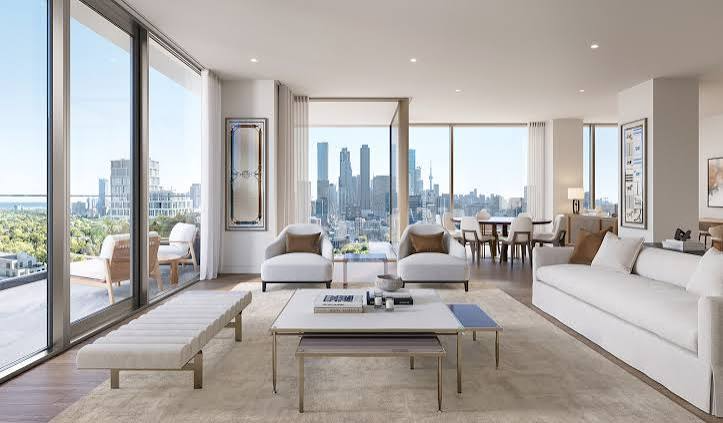
Luxury property markets in two of Canada’s largest cities are facing a noticeable slowdown, while Qatar has recorded a sharp weekly decline in the value of real estate transactions. Figures released on November 22, 2026, point to growing caution among high end buyers, shaped by economic uncertainty, borrowing costs, inflation and changing expectations about property prices. Although the Canadian and Qatari markets operate under different conditions, their latest results reveal a shared challenge: buyers are becoming more selective, and major property purchases are taking longer to complete.
Canada’s Luxury Housing Market Faces a Difficult Year
Toronto and Vancouver have traditionally attracted wealthy homeowners, international investors and buyers seeking premium residential properties. Their luxury markets include multimillion dollar detached homes, waterfront residences, high end condominiums and properties in established neighbourhoods. However, even these segments have struggled to maintain the pace of previous years.
According to figures from the RE/MAX Canada Fall and Winter 2026 Spotlight on Luxury Report, luxury home sales in the Greater Toronto Area declined by 9.4 percent during the first nine months of 2026 compared with the same period in 2025. Vancouver experienced a steeper decline of 17 percent. The figures suggest that demand has weakened most noticeably in two markets that have long been associated with Canada’s expensive residential property sector.
Several pressures are influencing purchasing decisions. Persistent inflation has affected household budgets, while uncertainty surrounding borrowing costs has made it harder for buyers to estimate the long term expense of financing a property. Trade tensions and wider economic concerns have also encouraged some wealthy households to delay major financial commitments.
Luxury buyers may have greater financial resources than typical home purchasers, but they are not entirely insulated from economic conditions. A multimillion dollar home still involves substantial taxes, maintenance expenses, insurance costs and financing considerations. When buyers are uncertain about future prices or investment returns, even a financially comfortable household may decide to wait.
Toronto: Fewer Luxury Transactions, but Activity at the Top End Continues
Toronto’s luxury market presents a mixed picture. Sales across the broader high end segment have declined, yet some of the city’s most expensive properties have continued to attract buyers. RE/MAX data recorded close to 850 transactions involving Greater Toronto Area properties priced above $3 million during the first nine months of 2026, representing a 9.4 percent decrease from a year earlier.
However, the highest price bracket has shown greater resilience. Fifteen Toronto properties sold for more than $10 million during the same nine month period, marking the strongest activity at that price level in a decade. This contrast suggests that the slowdown is not affecting every wealthy buyer equally. Some purchasers remain willing to pay substantial sums for exceptional homes, even as others postpone decisions.
One factor influencing Toronto’s upper end market is the municipal land transfer tax. A higher tax on residential purchases above $3 million took effect on April 1, 2026. The change prompted concern that additional transaction costs could discourage buyers or encourage some to complete purchases before the new rates applied.
For buyers considering a luxury property, the tax adds another expense to an already significant financial commitment. Sellers, meanwhile, must account for the possibility that purchasers will negotiate more firmly or compare several properties before making an offer. The result is a market where attractive homes can still sell, but pricing expectations and transaction costs play a larger role in negotiations.
Vancouver Experiences a Sharper Luxury Sales Decline
Vancouver has faced a more pronounced drop in luxury transactions. RE/MAX figures show that just under 600 homes priced above $3 million were sold in the Vancouver area during the first nine months of 2026, down 17 percent from the previous year.
The slowdown is particularly visible among properties at the highest price levels. Engel and Völkers market data cited by Canadian real estate professionals indicates that homes priced at $4 million and above recorded only 17 sales for every 100 new listings between January and October. In the $2 million to $4 million range, the figure was 29 sales for every 100 new listings.
These numbers point to a substantial gap between the number of properties being offered and the number finding buyers. The upper end of the market is especially sensitive to changes in confidence because purchasers often depend on accumulated property equity, family wealth or proceeds from another investment to fund a new home.
Andrew Carros, managing broker and chief operating officer for Engel and Völkers Vancouver, described the market as stubborn, with luxury sales volumes having fallen considerably since 2022. He also noted that properties which do sell are often closing within 10 percent of their asking prices. This suggests that some sellers are prepared to wait rather than accept offers they consider too low.
Inventory conditions also matter. Luxury listings represent a smaller share of new supply than during the market’s strongest years. When fewer suitable properties enter the market and buyers remain cautious, transaction activity can weaken even when sellers are not under immediate pressure to reduce prices.
Why Buyers and Sellers Are Taking More Time
The Canadian figures reflect a market in which financial caution is influencing both sides of a transaction. Buyers want confidence that a property is fairly priced and that future ownership costs will remain manageable. Sellers, particularly those with substantial equity, may not feel compelled to accept a discounted offer.
This difference in expectations can create a standstill. A buyer may see an opportunity to negotiate after several months of slower activity, while an owner may believe the property’s location, condition and long term value justify holding firm. The property remains available, but neither side is ready to compromise enough to complete a sale.
For prospective buyers, this environment can offer more time to compare properties and examine financing options. It may also create opportunities to negotiate on price, closing dates or included features. However, a slower market does not automatically mean every luxury home is undervalued. Location, construction quality, property condition and future maintenance requirements remain essential considerations.
Sellers can respond by reviewing comparable completed transactions, setting realistic asking prices and preparing properties carefully before listing. Buyers are generally more deliberate when they have a wider selection, making accurate pricing and clear documentation particularly important.
Qatar Records a 39.1 Percent Weekly Drop in Property Sales Value
While Canada’s luxury housing markets are experiencing weaker sales, Qatar has reported a sharp decline in the total value of real estate transactions. Data from the country’s Real Estate Regulatory Authority, known as Aqarat, showed that property sales reached QR337.1 million during the 47th week of 2026, covering November 15 to November 21.
The total represented a 39.1 percent decline from the previous week. Compared with the corresponding week in 2025, sales value was down 53.9 percent. The number of registered property sales also fell, with 105 transactions recorded, a weekly decrease of 22.2 percent and an annual decline of 28.6 percent.
The figures were reported by the Qatar News Agency on November 22, based on official regulatory data. They provide a snapshot of activity during one reporting period rather than proof of a sustained downturn across the entire national property market.
Villas Account for the Largest Share of Qatar’s Sales
Villas represented the largest portion of the reported transaction value, accounting for QR164.7 million, or 49.6 percent of total sales. Vacant land generated QR123.1 million, equal to 37.1 percent. Apartment buildings contributed QR22.5 million, while other property categories accounted for QR21.4 million.
Geographically, Doha recorded the highest reported sales value at QR107.5 million. Al Rayyan followed with QR79.5 million, while Umm Salal recorded QR54.7 million. These figures show that the largest share of activity was concentrated in a limited number of municipalities during the week.
Mortgage activity moved in a different direction. The total value of mortgage transactions reached QR266.8 million, increasing 83.6 percent from the previous week. However, it remained 83.1 percent lower than during the same week last year. Nineteen mortgage transactions were registered, down 9.5 percent week on week and 40.6 percent year on year.
The increase in weekly mortgage value alongside falling sales value illustrates why property market conditions cannot be understood through a single indicator. Mortgage totals can change substantially depending on the size and type of properties involved. They should be considered separately from completed sales and the number of registered transactions.
Rental Activity Also Weakens in Qatar
Qatar’s weekly figures showed a decline in rental activity as well. Aqarat recorded 432 rental contracts during the reporting period, a 52.1 percent decrease from the previous week and a 69.3 percent fall compared with the same period in 2025.
The total value of rental contracts reached QR4.03 million, down 37.3 percent week on week and 63.2 percent year on year. Villas accounted for QR1.62 million, while apartments contributed QR1.48 million. Commercial showrooms represented QR810,000 of the total.
Al Rayyan recorded the largest rental value at QR2.1 million, followed by Doha at QR900,000 and Al Wakrah at QR400,000. The figures indicate that the slowdown extended beyond property sales during this particular week, although further reporting periods will be needed to establish whether the decline represents a longer lasting trend.
What the Latest Figures Mean for Property Investors
For investors, the Canadian and Qatari figures underline the importance of looking beyond headline price movements. A fall in transaction value may reflect fewer sales, a different mix of properties changing hands or a reduction in the average size of transactions. It does not necessarily mean that every property has lost value by the same amount.
In Toronto and Vancouver, the decline in luxury sales may give well prepared buyers more room to negotiate, particularly in price brackets where listings are taking longer to attract offers. However, purchasers should consider financing costs, local taxes and future maintenance before committing to an expensive property.
In Qatar, investors should examine transaction data over several weeks and months rather than treating one weekly decline as a definitive market signal. Differences between villas, land, apartments and commercial properties can produce very different results. Rental demand, mortgage activity and municipal level performance also provide useful context.
Reliable market information is essential when assessing these decisions. Canada’s Canadian Real Estate Association provides national housing market research and resources, while official Qatari reporting offers a view of registered transactions within the country. Comparing consistent periods and property categories can help investors avoid drawing conclusions from isolated figures.
Looking Ahead: Caution Now, but Different Paths Remain Possible
The latest figures do not suggest that luxury property has lost its appeal. Rather, they show that buyers are becoming more selective and that the conditions supporting rapid sales have weakened. Toronto’s strongest price bracket has continued to record notable transactions, while parts of the wider Canadian luxury market are experiencing slower demand. Vancouver faces a more difficult sales environment, particularly for properties priced at the upper end of the market.
There may be scope for activity to improve in 2027 if economic uncertainty eases and buyers regain confidence. Some wealthy purchasers have delayed decisions while waiting for clearer conditions, creating the possibility of pent up demand. However, the timing and scale of any recovery will depend on borrowing costs, employment conditions, taxes, property supply and confidence in the wider economy.
Qatar’s weekly decline will also require careful monitoring. The fall in sales value, transaction numbers and rental activity is significant, but a single week cannot establish the direction of the market for the coming year. Subsequent official reports will help determine whether activity rebounds or remains subdued.
For homeowners, buyers and investors, the central lesson is to approach the current market with patience and sound financial preparation. A quieter property market can create opportunities, but it also rewards careful research. Whether purchasing a luxury home in Canada or assessing an investment in Qatar, decisions based on verified transactions, realistic valuations and long term affordability are more dependable than reacting to one headline figure.