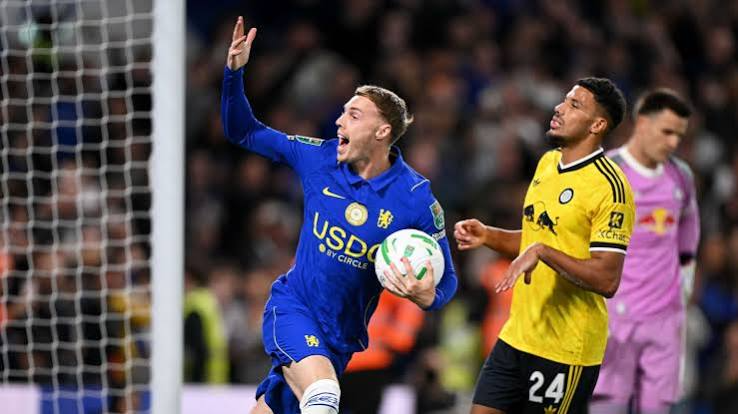
Real Madrid and Leeds United delivered two striking results across European football on November 21 and 22, 2026. Madrid recovered from an early setback to beat Celta Vigo 2 to 1 at the Santiago Bernabéu, keeping pace with Barcelona at the top of LaLiga. In England, Leeds produced one of the weekend’s biggest surprises, overturning Chelsea’s lead to claim a commanding 4 to 1 victory at Stamford Bridge. The results carried very different messages: Madrid showed the value of persistence in a title race, while Leeds exposed serious defensive and confidence problems at Chelsea.
Real Madrid Rally to Beat Celta Vigo 2 to 1
Real Madrid had to work for their three points against Celta Vigo on November 21. The visitors struck first, unsettling the home crowd when Pablo Durán scored in the sixth minute. Madrid were suddenly chasing the game, and Celta had an opportunity to make the evening uncomfortable for a side under pressure to maintain its position in the title race.
José Mourinho’s team responded by pushing forward and searching for openings. Madrid created opportunities through Kylian Mbappé, Arda Güler and their attacking teammates, but Celta resisted during the first half. The visitors’ early goal gave them a platform, while Madrid were left needing greater precision in the final third.
The breakthrough came after the interval. Jude Bellingham brought Madrid level, giving the home side renewed energy and shifting the pressure back onto Celta. The equaliser changed the mood inside the Bernabéu, where the expectation had been building with every missed opportunity.
Substitute Carlos Espí then completed the comeback, scoring the decisive goal in the second half. His finish secured a 2 to 1 win and extended Madrid’s winning run to nine consecutive matches. The club’s official match report described the result as another comeback victory and confirmed that Madrid maintained their perfect home record this season.
Why the Result Matters in the LaLiga Title Race
The victory allowed Real Madrid to move level with Barcelona on points at the top of the Spanish league. That position gives the title race another layer of tension, particularly as both clubs continue to pursue consistency through a demanding season. A close points total means that even a single dropped result can change the balance between the leading sides.
Madrid’s comeback also offered a reminder that title challenges are not decided only by comfortable wins. Teams competing at the highest level will face difficult spells, opponents who defend stubbornly and moments when an early goal threatens to disrupt the plan. The ability to respond without losing discipline can be just as valuable as attacking quality.
Bellingham’s equaliser and Espí’s winning goal highlighted the importance of contributions from different parts of the squad. Madrid did not rely on one player to solve the problem. The team kept applying pressure, found a way back into the contest and used its attacking options to secure the points.
For Celta Vigo, the defeat was a difficult outcome after such a promising start. Durán’s early goal showed that Madrid could be troubled, but the visitors could not protect their advantage for the full match. Their performance may still offer encouragement, although leaving the Bernabéu without points will feel frustrating.
Leeds United Shock Chelsea With a 4 to 1 Win at Stamford Bridge
While Madrid were celebrating a comeback in Spain, Leeds United produced a statement performance in London on November 21. Chelsea took the lead through Emmanuel Emegha, who scored on his first start for the club. His goal appeared to put the hosts in control, but Leeds responded almost immediately and went on to dominate the decisive stages of the match.
Noah Okafor equalised just three minutes after Chelsea had gone ahead. The quick response was significant because it prevented the home side from settling into the match with a lead. Leeds continued to attack with purpose, and their willingness to challenge Chelsea physically and move the ball forward gave the visitors growing confidence.
The turning point arrived early in the second half. Dominic Calvert-Lewin converted a penalty in the 53rd minute after Morgan Rogers was penalised for handball. The goal put Leeds ahead, and the visitors soon extended their advantage. Okafor scored his second of the afternoon in the 58th minute, giving Leeds a two goal cushion and leaving Chelsea with a difficult task.
Chelsea attempted to respond, but their attacking play did not produce the pressure needed to change the result. Leeds remained organised and dangerous on the counterattack. In stoppage time, substitute Brenden Aaronson scored the fourth goal, completing a memorable afternoon for the travelling supporters.
The final score was Chelsea 1, Leeds United 4. The result gave Leeds their first Premier League victory at Stamford Bridge since 1999, making the achievement even more significant for the club and its supporters.
Leeds Take Their Chances as Chelsea Lose Control
The scoreline reflected more than a brief spell of poor defending. Leeds created the more dangerous attacking opportunities and repeatedly found ways to trouble Chelsea. Match statistics recorded 21 shots for Leeds compared with 14 for Chelsea, while the visitors also registered eight shots on target against three from the home side. Leeds’ expected goals figure was 2.51, far higher than Chelsea’s 0.56.
Those numbers help explain why the result was not simply a case of an underdog taking advantage of a few isolated mistakes. Leeds made better use of their attacking moments, moved forward with greater conviction and forced Chelsea into uncomfortable defensive situations. Their performance showed how a team can overcome a possession disadvantage through intensity, direct play and effective finishing.
For Daniel Farke, the result was a major reward for his side’s approach. Leeds did not retreat after conceding the opening goal. Instead, they responded quickly, kept competing and returned from half time determined to take all three points. Farke later explained that his message to the players at the break was to go for the win, rather than settle for a draw.
Pressure Builds on Chelsea and Xabi Alonso
The defeat raised fresh questions about Chelsea’s form under manager Xabi Alonso. The club had already suffered a difficult run of results, and losing by three goals at home added to the scrutiny surrounding its performances. Chelsea were booed by sections of the home crowd, reflecting the frustration of supporters who expected a much stronger response after taking the lead.
There were some mitigating circumstances. Midfielder Moisés Caicedo was forced off with an injury in the first half, disrupting Chelsea’s plans in the middle of the pitch. However, the team struggled to regain control after Leeds equalised. Defensive errors, limited attacking threat and an inability to respond to the second half goals made the defeat particularly damaging.
Alonso acknowledged that Chelsea had not competed at the required level and described the team as mentally fragile. Such an admission points to a problem that goes beyond tactics. A side can recover from an individual mistake, but repeated lapses in concentration and confidence can become difficult to contain, especially when opponents sense uncertainty.
Chelsea’s position in the league also came under pressure. Leeds climbed above their hosts to sixth place, while Chelsea slipped to eighth after suffering their fifth league defeat of the campaign. With the season still developing, there is time to recover, but performances of this kind increase the importance of a convincing response in the next fixtures.
Two Results With Different Implications
The weekend’s results illustrated two contrasting challenges in elite football. Real Madrid faced an opponent that took an early lead and defended with determination. Madrid needed patience, attacking quality and contributions from their squad to turn the match around. Their victory kept them level with Barcelona and reinforced the importance of maintaining momentum in a tight title contest.
Leeds, meanwhile, travelled to one of the Premier League’s most recognisable grounds and refused to be discouraged by falling behind. Their quick equaliser changed the contest, while their second half performance exposed Chelsea’s weaknesses. For Leeds, the win can provide confidence and belief that they can compete against established sides. For Chelsea, it creates an immediate need to examine why a promising start turned into such a heavy defeat.
What to Watch in the Coming Weeks
Madrid’s next challenge will be to maintain their winning form and avoid giving Barcelona an opportunity to move clear. The points situation leaves little room for complacency, and the pressure of a long title race will test the depth and consistency of both squads. Madrid’s ability to recover from difficult moments could prove important as the season progresses.
Leeds will want to build on their Stamford Bridge performance rather than treat it as an isolated achievement. A result of this scale can change the mood around a team, but consistency in the following matches will determine whether the victory marks a genuine step forward. Their attacking confidence and defensive organisation will both be important.
For Chelsea, the priority is a response that restores confidence and gives supporters evidence of progress. Alonso will need to address the defensive problems while finding a way to make the team more resilient when matches become difficult. The defeat to Leeds has made those questions harder to avoid.
One weekend has therefore brought fresh momentum to Madrid and Leeds, while leaving Barcelona’s title rivals and Chelsea with very different reasons to look ahead. Madrid remain firmly involved in the LaLiga race, Leeds have delivered a memorable Premier League result, and Chelsea must now show that this setback will not define their season.