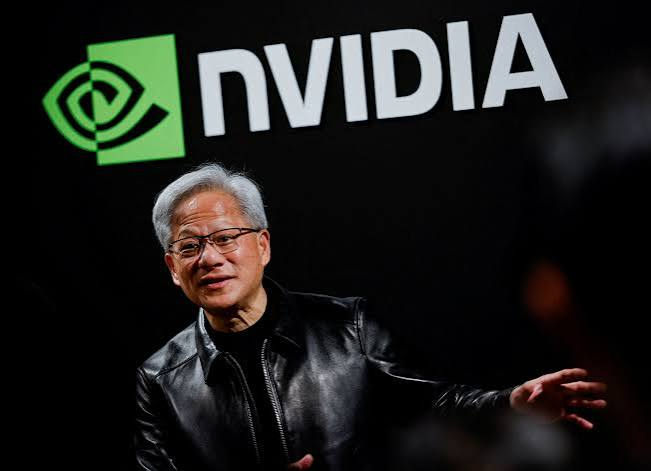
Nvidia has brought cofounder Jensen Huang back as president and chief executive, reversing his departure less than two weeks earlier and giving investors a powerful reason to reconsider the company’s immediate future. Announced on November 23, 2026, the board’s unanimous decision sent Nvidia shares sharply higher, with the stock climbing around 33% in early trading. The rally also lifted technology markets around the world as investors welcomed the return of the executive who helped build Nvidia into a central force in artificial intelligence. Reports put the increase in Huang’s personal wealth at approximately $36.6 billion, although that figure reflects estimated market value rather than cash received. The announcement brings an abrupt end to one chapter of leadership uncertainty, but important questions about corporate governance, national security and the company’s relationship with Washington remain.
Nvidia Board Reverses Its Decision and Reinstates Jensen Huang
Nvidia confirmed that Huang’s return took effect immediately. The board voted unanimously after a series of discussions and meetings, saying it was satisfied with his candor and ability to lead the company. It also said it had received input from senior levels of the United States government and, based on that input, believed his reinstatement posed no national security risk.
The reversal came just 11 days after Huang resigned from his positions as president, CEO and board member on November 12. At that time, Nvidia appointed its chief financial officer, Colette Kress, as interim CEO while directors began considering a permanent leadership arrangement. Kress will now return to her role as executive vice president and chief financial officer. Harvey C. Jones, who became board chair during the transition, will remain in that position.
For a company whose decisions influence the direction of the global AI industry, the leadership change carries significance beyond an executive title. Nvidia supplies advanced processors used in data centers, AI research and large scale computing. Its customers include some of the world’s largest technology companies, making confidence in its leadership important to investors, suppliers and businesses building their own AI services.
Why Huang Stepped Down in November
Huang’s resignation followed reports concerning personal relationships, including an alleged relationship involving a woman suspected by US intelligence officials of having links to Chinese intelligence. Reports also raised questions about another relationship involving an Nvidia employee. The allegations brought intense attention to the company at a time when its business already sits at the center of sensitive debates about advanced chip exports and competition between the United States and China.
These reports should be distinguished from established findings. Allegations about possible intelligence activity are not proof that a person acted as a foreign agent, and the company has not announced that Huang was found guilty of unlawful conduct. Nvidia’s board said its independent director committee investigation into reports that Huang had been targeted by a foreign intelligence effort would continue. The company also said Huang supports the investigation and is committed to cooperating.
The distinction matters for shareholders and employees. A CEO can return to office while questions surrounding the circumstances of a departure remain under examination. The board’s decision therefore restores leadership continuity without declaring every outstanding issue resolved.
Trump Welcomes the Decision as Nvidia Shares Rally
President Donald Trump publicly welcomed Huang’s reinstatement, describing the board’s decision as correct and proper. Trump had previously voiced support for Huang returning to the company. His administration’s input was also referenced in Nvidia’s announcement, although the company did not disclose the details of the discussions or identify every government official involved.
The market response was immediate. Nvidia shares jumped about 33% in early trading, according to Reuters, while the Nasdaq rose approximately 6% and the S&P 500 gained around 4%. European shares also advanced, with the STOXX 600 rising about 1.5%. The broad movement suggested that investors were responding not only to the leadership announcement but also to the reduced uncertainty surrounding one of the most influential companies in the AI supply chain.
Still, a sharp opening rally does not establish that the stock will maintain those gains. Investors will continue to assess Nvidia’s earnings outlook, demand for AI processors, competition, export restrictions and the financial commitments being made by companies building data centers. A major leadership announcement can change sentiment quickly, but long term share performance depends on business results and the risks attached to future growth.
How the Rally Increased Jensen Huang’s Estimated Wealth
The reported $36.6 billion increase in Huang’s wealth illustrates how closely his personal fortune is tied to Nvidia’s market value. As a cofounder and major shareholder, he holds a substantial financial interest in the company. When Nvidia shares rise sharply, the estimated value of his holdings can increase by billions of dollars within a single trading session.
That does not mean Huang received $36.6 billion in cash. Wealth estimates generally calculate the market value of shares and other disclosed assets, and those estimates can change as the stock price moves. Selling a large holding would involve separate financial, regulatory and market considerations. The reported gain is therefore best understood as an increase in estimated net worth, not a direct payment or realized profit.
The scale of the change also highlights the unusual relationship between corporate leadership and personal wealth in the technology sector. For founders who retain significant ownership, the market’s confidence in a company can have an immediate effect on their fortunes. In Huang’s case, the same rally that rewarded shareholders also dramatically increased the estimated value of his Nvidia stake.
Why Jensen Huang Matters to the Global AI Industry
Huang cofounded Nvidia in 1993 and led its development from a graphics processor company into a major supplier of computing technology. Its graphics processing units became essential to many forms of AI training and inference, supporting the rapid growth of data center infrastructure and generative AI services.
His leadership has become closely associated with Nvidia’s technical direction, customer relationships and public identity. Large technology companies depend on Nvidia hardware to build and operate AI systems, while cloud providers and data center operators make substantial investments around the availability of its products. That dependence helps explain why uncertainty about the CEO position triggered concern beyond Nvidia’s own shareholders.
Huang’s return may reassure customers and partners who value continuity in product strategy and executive relationships. However, Nvidia’s influence also creates a concentration risk for the wider technology industry. When so much AI infrastructure depends on one supplier, changes in its leadership, production capacity or access to international markets can affect businesses far beyond the chipmaker itself.
National Security and Export Controls Remain Important Issues
Nvidia’s board has made clear that its work on national security and trade compliance will continue. The company announced the creation of a National Security and Export Control Committee made up entirely of independent directors. It is also engaging legal specialists and advisers with relevant national security experience, while beginning a search for a chief compliance officer.
These measures reflect the sensitive position Nvidia occupies in the global semiconductor market. Advanced AI processors have both commercial and strategic importance. Governments are concerned about how powerful computing systems could be used, where advanced chips are shipped and whether export restrictions are being followed. Nvidia must therefore manage commercial demand while meeting regulatory requirements in multiple markets.
The company has said it will continue cooperating with government investigations and inquiries. The independent board committee examining reports that Huang was targeted by a foreign intelligence effort will also continue its work. His reinstatement should not be interpreted as the conclusion of those investigations or as a blanket clearance of every issue involving the company.
What Investors and Nvidia Customers Should Watch Next
The immediate market reaction has been dramatic, but the next stage will be judged by Nvidia’s operational performance and the board’s ability to restore confidence in its oversight. Investors will want clarity about how the company handles compliance, internal investigations and its relationship with government agencies. They will also be watching whether executive responsibilities remain stable after the unusually rapid reversal.
For customers, continuity in product development, supply commitments and technical support will be especially important. Businesses planning large AI infrastructure projects make decisions years ahead. They need confidence that Nvidia can deliver products, maintain reliable supply relationships and operate within the rules governing international technology trade.
Shareholders should also separate enthusiasm about Huang’s return from the underlying valuation of Nvidia stock. A 33% surge in early trading is a major move, and sharp gains can be followed by volatility as investors reassess expectations. The company’s future performance will depend on demand, competition, manufacturing capacity, margins and the pace at which customers convert AI investment into sustainable business returns.
A Dramatic Return, With Important Questions Still Open
Jensen Huang’s reinstatement marks a remarkable reversal in Nvidia’s leadership crisis. The board has restored the company’s cofounder to its top position, President Trump has welcomed the decision and investors have responded with a powerful rally. The reported increase in Huang’s estimated fortune adds another striking dimension to a day that has already reshaped market sentiment around the AI sector.
Yet the return is not the end of the story. Nvidia still faces scrutiny over national security, export controls and corporate governance, while its board has committed to continuing its independent investigation. The company must now demonstrate that it can combine leadership continuity with credible oversight and regulatory discipline.
For the global technology industry, the message is clear: Nvidia’s leadership remains a major factor in investor confidence and the direction of AI infrastructure. Huang is back at the helm, but the company’s next test will be proving that its business, governance and compliance systems are strong enough to support its enormous influence.
Readers can follow the company’s official updates through the Nvidia Investor Relations newsroom and review the wider market reaction in Reuters business coverage.