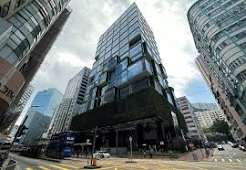
New World Development is facing one of the most difficult financial periods in its history after its proposed $3.2 billion rights issue triggered a historic collapse in its Hong Kong share price. The property developer’s shares fell sharply when trading resumed on November 16, following the announcement of a deeply discounted fundraising plan intended to ease its substantial debt burden. By November 23, the situation had become a wider illustration of the pressures confronting property companies across Asia, where weak real estate markets and expensive financing continue to challenge established developers. At the same time, activity among US commercial real estate investment trusts, including Sunrise Realty Trust and CTO Realty Growth, shows that capital is still moving through selected property markets, particularly where lenders and investors see opportunities backed by specific assets and carefully structured financing.
New World Development Faces a Historic Share Price Decline
New World Development proposed raising approximately HK$24.9 billion, equivalent to about US$3.2 billion, through a rights issue announced on November 15. The fundraising is designed to strengthen the company’s balance sheet, reduce borrowing pressure and give management more flexibility to sell assets and manage its property portfolio.
Investors reacted negatively when trading resumed on November 16. Shares fell more than 40 percent and reached an intraday low of HK$2.57, representing a decline of approximately 47 percent from the previous closing price of HK$4.87. The stock reached its lowest level since the company listed in 1980. The scale of the decline reflected concerns about the size of the fundraising, the steep discount offered to shareholders and the possibility of substantial dilution for investors who do not participate.
The proposed issue offers 11 new shares for every existing share at HK$0.90 each. That subscription price represents an 81.5 percent discount to the previous closing price. New World plans to issue approximately 27.68 billion additional shares, a substantial increase in its existing share count.
For existing shareholders, the decision is financially significant. Investors who subscribe can maintain more of their proportional ownership, but doing so requires additional capital. Those who decline may see their ownership percentage fall considerably. This creates a difficult choice for minority investors who may already have suffered losses as the company’s share price declined.
Why New World Needs a Major Capital Injection
New World’s fundraising plan comes after years of pressure on Hong Kong’s property sector. High borrowing costs, cautious buyers, slower property transactions and declining confidence have made it harder for developers to sell homes, refinance loans and generate cash from their portfolios.
New World has been particularly exposed because of its substantial debt obligations. The company has been working to reduce borrowing, dispose of assets and improve liquidity while managing a large portfolio of residential developments, commercial buildings and investment properties. Its financial difficulties reflect a wider problem facing developers that expanded during stronger property market conditions and now have to manage their obligations in a less supportive environment.
The proposed rights issue is part of a broader recapitalization strategy rather than simply an attempt to raise money for new development. The company plans to use part of the proceeds to prepay 10 percent of approximately HK$82 billion in targeted bank facilities. The remaining 90 percent is expected to receive a two year maturity extension, subject to the required agreements with lenders.
Other proceeds are intended to support debt servicing, including obligations relating to senior notes and perpetual securities. The company has also discussed selling assets and improving cash collection from residential projects. These steps are intended to reduce financial pressure while avoiding property disposals at unnecessarily unfavorable prices.
The Cheng Family’s Commitment and Shareholder Concerns
New World’s controlling shareholder, Chow Tai Fook Enterprises, has committed to taking up its full entitlement in the rights issue and providing underwriting support. The family backed business currently holds a substantial stake in the developer and could contribute as much as HK$18.7 billion under the proposed arrangements.
That commitment offers support for the fundraising, but it does not remove concerns among outside investors. Minority shareholders have questioned whether they should be expected to provide additional capital to address financial problems that developed over several years. The steep subscription discount has also raised questions about how much value existing shareholders may lose if they cannot afford to participate.
The debate is about more than one share offering. Investors want evidence that the capital raised will produce lasting improvements rather than simply postpone debt pressure. Management must show that it can reduce liabilities, generate cash from property operations and manage future development spending with greater discipline.
New World Looks Beyond the Rights Issue for Debt Reduction
The fundraising is only one part of the developer’s recovery plan. New World is also considering property sales, strategic investment and other ways to release capital from its assets. Recent reporting has highlighted potential opportunities involving mainland Chinese real estate investment trusts and outside investors, as the company looks for ways to reduce borrowings over several years.
The developer has indicated an ambition to reduce debt by HK$40 billion to HK$50 billion by the end of 2031. Reaching that target will require more than completing the share issue. The company will need to sell properties at acceptable prices, improve residential sales and collections, manage construction commitments and negotiate successfully with lenders.
These objectives are difficult in a weak property market. Selling assets too quickly can result in lower valuations, while waiting for stronger market conditions can leave a company carrying expensive debt for longer. New World therefore faces a delicate balance between generating immediate liquidity and protecting the longer term value of its property portfolio.
Sunrise Realty Trust Closes a $93 Million Construction Financing Deal
While New World is working through a major balance sheet restructuring, US commercial real estate financing activity offers a different picture of how capital is being deployed. On November 23, Sunrise Realty Trust announced that it had closed a $31 million B note commitment as part of a $93 million construction loan for The Grant, a planned Class A multifamily and retail development in downtown Austin, Texas.
The financing consists of a $62 million A note held by a third party lender and a $31 million B note held entirely by Sunrise Realty Trust. The development is expected to combine residential apartments with ground floor retail space, bringing housing and commercial activity together in an established urban market.
The transaction reflects Sunrise’s strategy of providing financing for selected commercial property developments where it believes the underlying asset, sponsor and market offer an acceptable risk profile. Its participation also illustrates how specialist real estate lenders can fund individual projects without necessarily acquiring or operating the completed properties themselves.
Construction lending carries risks that differ from those associated with an established income producing property. Developers must manage building costs, completion schedules, leasing activity and future refinancing. A project may have an attractive location but still face financial pressure if construction costs rise or demand falls short of expectations. Sunrise’s disclosed financing structure separates the larger A note from its B note participation, giving the transaction a defined capital arrangement.
CTO Realty Growth Shows Another Side of US Commercial Property Investment
CTO Realty Growth provides another example of how US real estate companies are managing capital through lending, acquisitions, property improvements and asset sales. The company owns and operates open air shopping centers, with a portfolio concentrated in growing markets across the southeastern and southwestern United States.
Its third quarter financial disclosures reported that property dispositions during the first nine months of 2026 totaled approximately $90.7 million. The company also reported a $1 billion unsecured credit facility completed in September, providing a $400 million revolving facility and additional term loans. The financing was intended to extend debt maturities and provide greater financial flexibility.
CTO also reported substantial investment activity during the year. Its transactions included the acquisition of Summit Woods Crossing, a large open air shopping center in the Kansas City metropolitan area, for $103 million. The company also completed a $32 million preferred equity investment in a joint venture owning a portfolio of 10 shopping centers.
These disclosures should be distinguished from Sunrise Realty Trust’s November 23 construction loan announcement. CTO’s reported acquisitions, financing and dispositions occurred at different points during 2026 and do not establish that the company completed a new major construction loan or retail property sale on November 23. Together, however, the companies illustrate different approaches to commercial real estate capital allocation.
Why Asian and US Property Markets Are Showing Different Pressures
The contrast between New World and the US real estate companies highlights the importance of local market conditions, financing structures and asset quality. Hong Kong developers have faced a difficult combination of weak property demand, heavy debt obligations and limited confidence in future valuations. For companies carrying substantial borrowing, even a modest decline in asset values can make refinancing more complicated.
US commercial property transactions are also affected by interest rates, construction expenses and changing tenant demand. However, lenders may continue to finance projects when they believe the location, sponsor and expected income justify the risk. Multifamily developments in established cities and shopping centers with strong occupancy can attract capital even when broader real estate conditions remain uncertain.
That does not mean US property companies are insulated from financial pressure. Construction delays, refinancing costs, vacancies and changes in consumer spending can affect returns. The difference is that selected transactions can still proceed when financing is structured around specific properties and carefully assessed cash flow expectations.
What Investors Should Watch in the Coming Months
For New World shareholders, the most important developments will be the completion of the rights issue, lender agreements and the company’s ability to demonstrate measurable debt reduction. Investors should also monitor property sales, residential cash collections and any changes to the developer’s longer term financial targets.
For commercial real estate investors in the United States, attention will remain on loan quality, construction progress, property occupancy and the ability of borrowers to refinance when loans mature. Sunrise’s Austin financing will depend on the development reaching completion and attracting residents and retail tenants. CTO’s performance will depend on its shopping center operations, leasing activity, investment returns and management of its debt facilities.
Across both regions, the central issue is financial discipline. Property companies need access to capital, but the cost and structure of that capital matter just as much as the amount raised. A large fundraising can provide breathing room, while a carefully underwritten property loan can support a development. Neither guarantees success without strong execution and sustainable demand.
A Property Industry Defined by Selective Capital and Financial Restructuring
New World Development’s record share price decline demonstrates how quickly investor confidence can weaken when a property company faces heavy debt and needs to raise substantial equity on deeply discounted terms. Its proposed HK$24.9 billion rights issue may provide an important financial reset, but shareholders will want to see clear progress in reducing borrowing and strengthening operations.
Meanwhile, Sunrise Realty Trust’s Austin construction financing and CTO Realty Growth’s investment and asset management activity show that commercial real estate capital continues to move where lenders and investors see viable opportunities. These transactions do not signal that the property sector has escaped its challenges. Instead, they illustrate a market in which financing is increasingly selective and companies must demonstrate the quality of their assets and the strength of their financial planning.
The coming months will reveal whether New World can turn its capital raising into lasting financial stability and whether US real estate lenders and property owners can maintain returns amid changing market conditions. For investors, the lesson is clear: headline transaction values matter, but debt levels, dilution, cash flow and the underlying quality of property assets ultimately determine whether a real estate strategy can endure.
Company announcements and investor information are available through the New World Development website and the Sunrise Realty Trust investor website.