AAA projects a record 72.2 million people will travel during the July 4th week in 2026 a surge that comes despite signs of economic cooling and is straining international aviation hubs and cruise terminals across the globe. The forecast lands on July 4 2026 and captures a travel season defined by pent up demand multi generational trips and a willingness to spend on experiences even as households reassess budgets for the rest of the year.
A record wave that spans roads airports and ports
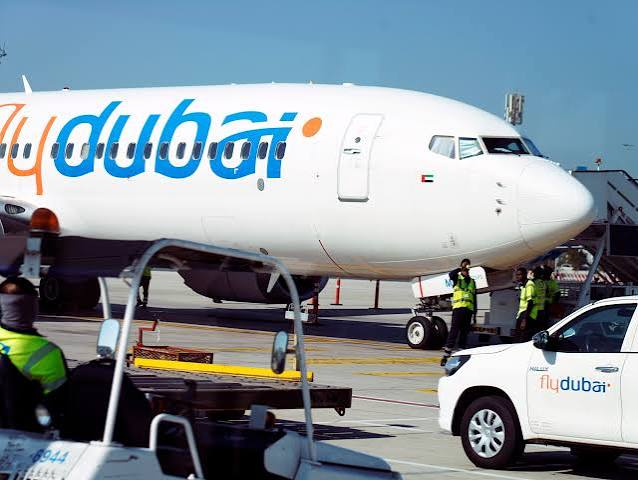
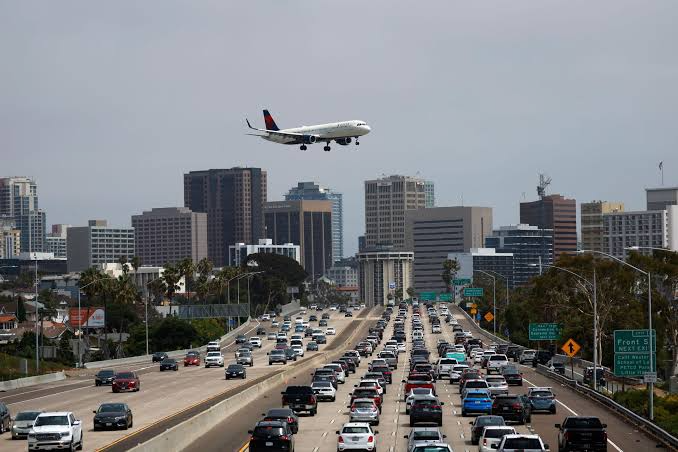
The 72.2 million figure covers all modes of transportation with the largest share expected on highways as families pile into cars for road trips to national parks beaches and small towns. Air travel is the fastest growing segment with international gateways seeing the heaviest loads as travelers chase long awaited reunions summer festivals and bucket list itineraries. Cruise lines are also reporting near full manifests on popular routes in the Caribbean the Mediterranean and Alaska which means terminal crowds and tender operations will be tested at peak times.
For many the decision to travel reflects a calculation that time with loved ones outweighs the friction of crowded terminals and higher fares. Parents describe planning around school calendars and work deadlines while grandparents talk about not wanting to miss another summer. The mood at check in counters is a mix of excitement and fatigue as people navigate long lines and then exhale once they reach the gate or the pier.
Why demand is surging even as the economy cools
Economic indicators show slower growth and tighter credit but consumer behavior around holidays tells a more nuanced story. Households are prioritizing experiences over stuff and are willing to trim other expenses to protect vacation plans. Airlines and cruise operators added capacity over the last year which helps absorb some of the volume yet the concentration of demand around a single holiday week creates bottlenecks that ripple through connecting flights ground transport and hotel check in desks.
Corporate travel has not fully returned to pre pandemic levels which leaves more seats for leisure travelers but also means airlines have optimized schedules around peak leisure periods rather than business rhythms. The result is a system that runs hot during holidays and quieter during shoulder weeks. Travelers who can shift by a day or two often find better fares and shorter lines but many prefer to stick to the traditional July 4 window to align with family schedules and local events.
What travelers are facing at airports and cruise terminals
Major hubs are implementing crowd management plans that include extended security hours additional screening lanes and more staff at baggage claim and customer service desks. Even with these measures passengers should expect longer queues at check in and security especially during early morning and late afternoon peaks. International connections require extra time for passport control and customs on return which can turn a tight layover into a stressful sprint.
Cruise ports are managing surges with staggered boarding windows and expanded baggage drop areas but the sheer number of guests means that embarkation and debarkation take longer than in off peak weeks. Families with young children or mobility needs should plan for extra time and consider requesting assistance in advance. The goal is to keep the experience safe and orderly but it requires patience and a willingness to adjust plans when delays occur.
Practical steps to reduce stress and avoid missed connections
- Arrive earlier than the recommended window especially at busy international airports and during peak boarding times at cruise terminals
- Check in online and download mobile boarding passes to reduce time spent at counters and kiosks
- Build buffer time into your itinerary for connections and shore excursions so a single delay does not derail the whole trip
- Keep essentials and medications in your carry on and pack a small kit with snacks water and a change of clothes for children
These steps sound simple but they make a real difference when terminals are crowded and staff are stretched thin. Travelers who prepare for the worst case scenario often end up enjoying the best parts of the trip because they have not burned energy fighting the system at every turn.
How airlines and cruise lines are responding to the surge
Airlines have added flights on high demand corridors and are using larger aircraft where possible to move more people per departure. Crew scheduling is tight and weather disruptions can cascade quickly so carriers are emphasizing proactive rebooking and automated notifications to keep passengers informed. The aim is to reduce the number of people stranded overnight and to provide clear options when cancellations occur.
Cruise operators are staggering port arrivals and working with local authorities to manage shore side congestion. Some lines are offering flexible excursion windows and alternative itineraries if weather or port capacity becomes an issue. The focus is on safety and guest experience which means that captains may adjust speeds or docking times to avoid overcrowding at popular destinations.
Budget strategies that still protect the experience
Travelers can find relief from peak pricing by shifting departure times by a few hours or by choosing secondary airports that serve the same region with shorter security lines. Hotel rates near major attractions are highest during the holiday week so consider staying a short distance away and using public transit or rideshare to reach the core. Booking refundable options where possible gives you flexibility if plans change due to weather or family needs.
For cruises the best value often comes from booking early or taking advantage of last minute deals on less popular sailings. Onboard spending can add up quickly so set a daily budget for excursions dining and souvenirs and stick to it. Many families find that a mix of paid activities and free time on the ship or at the beach creates a balanced trip that feels luxurious without breaking the bank.
Safety and health considerations for crowded travel
Crowded spaces increase the risk of respiratory illness and other seasonal bugs so packing hand sanitizer and considering a mask in packed terminals can reduce exposure. Stay hydrated and take short walks during long waits to keep circulation moving especially for older adults and those with mobility concerns. If someone in your party feels unwell seek medical assistance early rather than pushing through which can turn a minor issue into a trip ending problem.
Travel insurance remains a smart purchase for complex itineraries and international trips where medical costs and rebooking fees can be high. Read the policy carefully to understand what is covered for flight delays missed connections and medical emergencies. The right plan can provide peace of mind and a clear path to reimbursement when things do not go as planned.
Where to find real time updates and trustworthy guidance
Travelers should monitor official sources for the latest on security wait times flight status and port operations. The Transportation Security Administration posts current checkpoint wait estimates and tips for smooth screening on its website and mobile app. The TSA travel resources page is a reliable place to check prohibited items and prepare for security so you can move through the line without surprises.
Airlines and cruise lines also provide real time alerts through their apps and email notifications which can help you adjust plans before you reach the airport or terminal. For international trips review entry requirements and documentation needs well in advance so that passport control and customs proceed without delay. A little preparation goes a long way when the system is under pressure.
The record 72.2 million traveler forecast for the July 4th week is a sign that people are ready to move despite economic headwinds. The challenge for the industry is to match capacity with demand while keeping the experience safe and humane. The challenge for travelers is to plan with flexibility and kindness so that the holiday remains a celebration rather than a test of endurance.