On July 1, 2026 major airports and transit hubs across North America reported record volumes as Canada Day festivities coincided with flurries of international travel tied to the World Cup and other global sporting events. The convergence produced busy terminals full of flags, fan gear, and families carrying suitcases and nervous excitement. Airlines, rail operators, and ground services moved into high gear to manage flights, customs lines, and the unpredictable rhythms of holiday and tournament travel.
What the numbers show
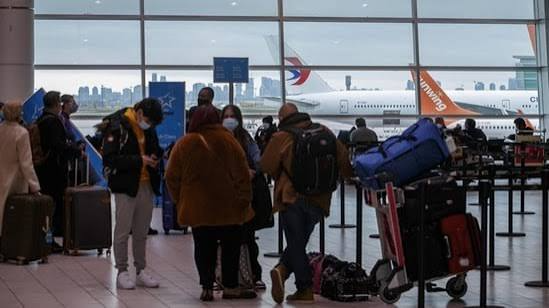
International passenger traffic climbed to levels not seen since before the pandemic with some airports recording daily peaks that matched or exceeded prior summer highs. Busiest routes included transatlantic and transborder flights into Canadian hubs, and increased frequencies were visible on major corridors serving tournament host cities. Airport authorities reported higher seat occupancy, more connecting passengers, and longer dwell times in security and immigration areas as staggered arrivals funneled groups into the same time windows.
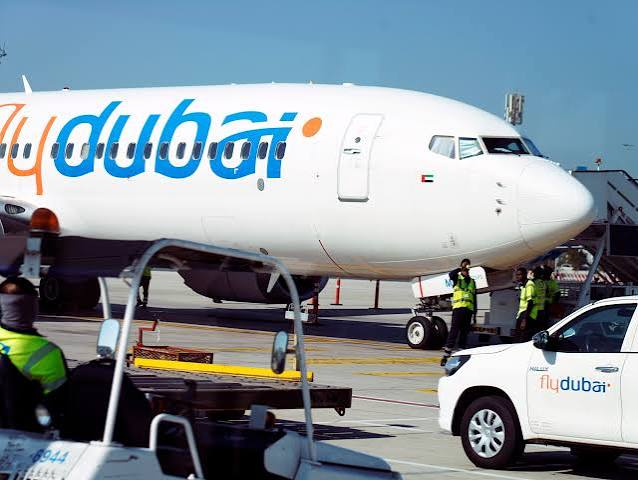
Freight and cargo lanes also felt pressure as event merchandise and team equipment moved across borders. Ground handling crews worked extended shifts to unload special shipments and meet tight turnaround schedules. Rail and bus operators near stadiums reported full service on celebratory routes and last mile transit saw surges at peak kickoff and closing hours.
How airports and carriers prepared
Airlines and airports anticipated the surge and deployed temporary measures to ease congestion. Additional check in counters and staffed customer service kiosks appeared in main concourses. Some carriers added ad hoc flights and larger aircraft to the busiest sectors while airlines and airports shared real time updates via apps and social channels to manage passenger expectations. Customs and border agencies scheduled extra officers at international terminals to handle volume and reduce processing times for incoming crowds.
For travelers who arrived early, many hubs offered pop up services such as team merchandise stands and dedicated fan help desks. Yet operational strain persisted in some locations where weather, crew shortages, or late arriving aircraft compounded peak period pressure, causing delays and occasional cancellations that rippled through connecting itineraries.
Traveler experiences on the ground
At Toronto Pearson the morning light fell across a mosaic of jerseys and travel bags as families queued for security. I spoke with a couple carrying an infant who had flown in from Mexico; they described a mix of exhilaration and fatigue and gratitude for a quiet family lane that sped their passage through the terminal. Elsewhere, groups of supporters sang chants that echoed down concourses and created a festival atmosphere even before fans reached stadiums.
Not every traveler felt relief. Some passengers reported longer than usual waits for shuttle buses, limited seating in waiting areas, and confusion over changed gates. Airport lounges were fuller than typical for early summer, and curbside pickup became more congested as ride hailing and private transfers increased demand during peak windows.
Border crossings and customs challenges
The combination of holiday visitors and tournament spectators placed unusual demands on customs operations. Border agencies deployed targeted staffing plans and pre clearance lanes where feasible, but processing times still varied widely by terminal and time of day. Frequent travelers with trusted traveler programs experienced faster processing while first time international guests sometimes faced steeper learning curves with form requirements and biometric checks.
Officials advised travelers to complete electronic forms, carry clear paperwork for vaccination or entry permissions when required, and allow extra time for customs. Many airports amplified signage and staffed information booths to assist non English speakers and international arrivals unfamiliar with local procedures.
Hotels, local transit, and last mile strain
Hotels in tournament cities reported high occupancy with many properties operating at or near full capacity. Short term rental platforms also showed a surge in bookings leading to limited availability and elevated rates in central neighborhoods. Taxi queues lengthened and ride share wait times expanded during mornings before matches and late evenings after games. Cities expanded shuttle offerings to stadiums and increased temporary wayfinding to shepherd fans along safe pedestrian routes.
Local businesses, from cafes to convenience stores, benefited from the influx, but service staff faced sustained demand and long shifts. Municipal authorities coordinated with private operators to manage crowd flows at transit nodes and to provide additional public toilets and hydration stations in high footfall areas.
Airline disruption and passenger rights
Operational disruptions including crew shortages and cascading delays caused some cancellations and long rebooking lines. Consumer advocates urged passengers to know their rights: ask about alternative transport options, request meal or hotel vouchers when appropriate, and keep boarding passes and receipts for reimbursement claims. Airlines used automated rebooking tools but in many high demand corridors passengers found wait times for human assistance substantial.
Travel insurance claims rose for missed connections and delays. Experts suggested travelers document their experiences with screenshots of app notifications and keep records of expenses incurred during delays to support claims with carriers or insurers.
Safety, health, and crowd management
Public safety officials emphasized the importance of crowd management around major venues. Extra police, volunteer stewards, and medical teams stood by at transit hubs and fan zones. Health agencies encouraged basic precautions for travelers including hand hygiene, staying hydrated in warm weather, and seeking care for any respiratory symptoms, particularly in enclosed transit settings.
Event organizers coordinated with transit authorities to stagger arrivals and departures where possible to reduce peak pressure and to minimize the risk of overcrowding on platforms and walkways.
Environmental and logistical impacts
The surge placed strain on airport infrastructure and local transport emissions rose temporarily with increased flights and ground traffic. Cities and transit operators used real time ridership data to deploy additional trams and buses and implemented temporary low emission zones in pedestrian heavy areas to manage air quality. Some organizers promoted public transit and active travel to reduce the environmental footprint of traveling fans.
Practical advice for travelers still planning trips
- Allow at least three hours for international departures at the busiest hubs and factor in extra time for customs on arrival.
- Check airline apps frequently for gate and schedule updates and subscribe to airport notification services.
- Pack essentials in carry on luggage in case of delays or lost checked bags and keep digital copies of travel documents.
- Consider alternate arrival times and less congested airports if schedule flexibility allows.
Where to follow live updates
Passengers can monitor airport conditions via official airport websites and social media feeds and consult airline operational pages for real time flight status. For travelers crossing borders, government travel advisories and customs portals provide up to date entry requirements and trusted traveler program information. For planning purposes and current trends the International Air Transport Association publishes broader industry metrics and advisory notes.
For official flight statuses and airport conditions see local airport portals and the International Air Transport Association at IATA.
Final observation
The overlapping celebrations of Canada Day and World Cup activity created a rare perfect storm of travel demand that tested the resilience of North American transport networks. For many the surge delivered memorable shared moments and scenes of communal joy. For operators the episode underscores the need for flexible staffing, clear communication, and contingency planning when large scale events align with national holidays. Travelers who plan ahead and remain patient will navigate the surge more smoothly and carry back stories from a summer defined by sport and celebration.