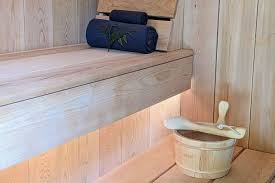
Homeowners are trading heavy gym equipment for compact installations designed to calm the nervous system. Sales of residential cold plunges, infrared saunas, and guided breathwork pods have spiked, reshaping consumer health spending and prompting a rethink of how people pursue resilience, recovery, and day to day stress regulation.
What the shift looks like in people’s homes
Walk into a modern living room turned sanctuary and you might find a tub lined with crushed ice and a wooden stool beside a low light capsule that guides breath exercises. The new wave of products emphasizes brief, repeatable interventions to lower sympathetic activation and increase parasympathetic response. Buyers describe the sensation of cold water on skin as a reset button and the warmth of an infrared sauna as a slow, restorative exhale. For many the appeal is not spectacle it is a practical tool to manage sleep, anxiety, and performance without leaving the house.
Why consumers are pivoting away from gym machinery
Several forces drive the move from cardio and weight stacks to nervous system appliances. Time scarcity and the desire for single purpose rituals play a role. People say they prefer ten minutes of guided breathwork before work to an hour of commuting to a gym. Mental health priorities also factor heavily in purchase decisions. Where fitness once focused on physique and endurance, buyers now prioritize recovery, stress modulation, and daily routines that support consistent sleep and cognitive clarity.
Technology and product design have made these interventions accessible. Compact saunas and plug and play breathwork pods fit apartments and small houses. Cold plunge makers offer insulated, self recirculating units that minimize water change chores. Direct to consumer brands and subscription services for maintenance have lowered barriers for mainstream adoption.
Science, benefits, and what remains unsettled
Clinical and physiological research provides mixed but promising signals. Controlled breathing practices show reproducible effects on heart rate variability and subjective anxiety scales. Studies of cold exposure indicate acute rises in noradrenaline that can increase alertness and mood, while repeated exposure may shift autonomic balance toward improved stress tolerance. Infrared sauna use correlates with improved sleep quality and certain cardiovascular markers in small trials. Yet researchers caution that long term randomized controlled data across diverse populations remain limited.
Health professionals advise measured use. Physicians warn that extreme cold exposure can be risky for people with cardiovascular disease and that sauna sessions should be approached cautiously by those with blood pressure issues. Experts recommend consulting a clinician before beginning regular cold plunges or extended heat therapy and following evidence based protocols for session length and frequency.
Who is buying and why
The early adopters were high performers in technology, finance, and professional sports who viewed personal regulation tools as performance aids. Adoption is spreading beyond elite circles to wellness minded parents, remote workers, and older adults seeking mobility friendly recovery options. Buyers report improvements in sleep onset, concentration, and emotional regulation. For shift workers and those with irregular schedules these at home rituals offer predictable windows of physiological reset.
Industry response and the business model shift
Manufacturers have moved quickly from single product lines to ecosystems that bundle hardware, software guided content, and maintenance subscriptions. Companies now include remote coaching, app based protocols that sync with wearable data, and parts replacement plans. Retailers and installers are developing certification programs to ensure safe in home installation of heavy equipment and ventilation sensitive devices such as saunas.
Insurance and health systems are watching. Some employers offer subsidies for at home recovery gear as part of executive wellness benefits while a few progressive insurers have begun pilot programs that reimburse evidence backed devices when prescribed by clinicians. Those moves could accelerate mass market adoption if cost effectiveness is demonstrated.
Equity, accessibility, and environmental questions
High end at home units remain expensive which raises questions about equity in access to preventive health tools. Community centers and shared facilities could provide a partial solution but those models require new investment. Environmental impacts also matter. Saunas and cold plunge systems consume energy and water and their lifecycle emissions depend on materials and electricity sources. Sustainability minded buyers are seeking products with lower energy draw, efficient filtration, and recyclable materials.
Safety and regulation concerns
As installations proliferate regulators and consumer safety groups are considering standards for safe operation. Potential hazards include burns from heat therapy, hypothermia from prolonged cold immersion, and electrical risks in wet environments. Industry groups are developing voluntary safety certifications and manufacturers are expanding clear warnings and step by step protocols to reduce injury. Medical societies recommend screening questionnaires and staged exposure for novices to minimize adverse events.
Voices from users
A nurse who works night shifts described her cold plunge ritual as a mental reset that restores alertness and reduces the fog of long shifts. She explained how a five minute plunge before sleep surprisingly improved the quality of her daytime naps. A teacher in her fifties said a small infrared sauna in her garden shed eased chronic pain and helped her wind down after work. Both emphasised that these practices are personal and that guidance from trusted clinicians made them safer and more effective.
Practical advice for readers considering an at home nervous system setup
If you are thinking of installing a cold plunge or sauna start with small, supervised sessions and consult your doctor if you have cardiovascular risk. Prioritise reputable brands with clear safety features and consider service agreements that include professional installation. Pair hardware with evidence based protocols for breathwork and gradual exposure. Track subjective sleep and mood outcomes and adjust frequency rather than intensity to find a sustainable routine.
Further information and resources
For guidance on safe heat exposure and thermal therapy review materials from the National Institute for Health and Care Excellence and peer reviewed literature on cryotherapy and autonomic regulation. World Health Organization and national public health agencies also provide general advice on safe exercise and recovery practices. One useful resource for practical safety standards is the Health and Safety Executive at https://www.hse.gov.uk.
The surge toward at home nervous system sanctuaries marks a broader turn in health priorities from visible performance to quiet regulation. Would you like a buyer’s checklist for safe installation or a deep dive into clinical trials that examine long term benefits of cold exposure and guided breathwork?