On August 20, 2026, international agriculture agencies announced a substantial expansion of funding dedicated to regenerative farming practices, a move designed to shield global food supply chains from the mounting disruptions caused by a changing climate. We have spent years watching farmers wrestle with unpredictable rainfall, shifting growing seasons, and soil that simply does not hold the way it used to, so this announcement lands as more than bureaucratic news. For millions of growers around the world, it represents a genuine lifeline.
Why This Funding Push Matters Right Now
Food security has always been fragile in ways that consumers standing in a well stocked grocery aisle rarely consider, but recent years have made that fragility impossible to ignore. Prolonged droughts in traditionally reliable growing regions, sudden flooding that wipes out entire seasons of work, and soil degradation from decades of intensive monoculture farming have all converged to threaten supply chains that feed billions of people. We have spoken with agricultural economists who describe the current moment as a tipping point, where the cost of inaction on soil health and climate resilience has finally become more expensive than the cost of transitioning to better practices.
Regenerative agriculture, at its core, focuses on farming methods that restore rather than deplete natural resources. This includes techniques such as cover cropping, reduced tillage, diversified crop rotation, and integrating livestock grazing in ways that mimic natural ecosystems rather than fighting against them. The goal is not simply to produce food but to rebuild the underlying biological systems, particularly soil health, that make long term food production possible in the first place. Readers wanting a deeper technical grounding in these methods can explore resources published by the Food and Agriculture Organization, which has documented these practices extensively across different climate zones.
What The New Subsidies Actually Cover
According to details shared during the announcement, the expanded funding will prioritize direct financial support for farmers transitioning away from conventional practices, technical training programs to help growers adopt regenerative methods correctly, and infrastructure investments such as water management systems designed to withstand both drought and excess rainfall. Smallholder farmers in vulnerable regions, who often lack the capital cushion to absorb the short term yield fluctuations that sometimes accompany a transition period, appear to be a particular focus of this initiative.
We think this emphasis on smallholder support deserves real attention, because it addresses a criticism that has followed sustainable agriculture funding for years. Large scale industrial farms have generally had the resources to experiment with new techniques and absorb occasional losses, while smaller family operations often could not afford that risk, regardless of how much they believed in the long term benefits. Targeted subsidies that reduce this financial barrier could meaningfully shift who gets to participate in this transition.
The Human Story Behind The Statistics
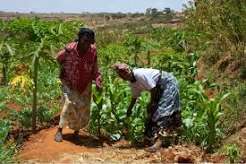
It is easy to discuss agricultural policy in abstract terms, percentages and funding allocations and hectares under cultivation, but we think it is worth remembering the people standing in those fields at dawn, checking soil moisture with their hands, watching weather patterns with an anxiety that most of us never have to feel about our own jobs. Farmers who have spent generations working the same land often carry an intimate, almost inherited knowledge of what that soil needs, and many have watched with quiet frustration as conventional industrial practices, sometimes encouraged by decades of prior subsidy structures, gradually wore down the very ground they depend on.
We have heard from growers who describe regenerative transitions with genuine emotional relief, comparing the shift to finally being able to work with the land again instead of constantly fighting it. There is something deeply human in that sentiment, a return to a relationship with soil and seasons that industrial agriculture often stripped away in pursuit of short term yield maximization. Funding alone cannot restore that relationship, but it can remove enough financial pressure to let farmers make choices aligned with what they already know intuitively about caring for their land.
Addressing The Skeptics
Not everyone views this expansion of subsidies with unqualified enthusiasm, and we think their concerns deserve honest engagement rather than dismissal. Some agricultural economists worry that transitioning large portions of global farmland to regenerative methods could create short term yield reductions at a moment when global population growth continues to demand more food, not less. Others question whether subsidy programs will be distributed equitably or whether, as has happened historically, larger and better connected agricultural operations will capture a disproportionate share of the available funding.
These are legitimate concerns worth monitoring closely as implementation unfolds. We would encourage the agencies involved to publish transparent, regularly updated data on where funding actually flows, broken down by farm size and region, so that independent observers can verify whether the stated goal of supporting smallholder and vulnerable farming communities is being met in practice rather than simply in press releases.
How This Connects To Global Supply Chain Resilience
The link between regenerative farming and supply chain stability is not merely theoretical. Healthy soil retains water more effectively, reducing crop losses during drought conditions, while also displaying greater resilience during flooding events because well structured soil absorbs excess water rather than allowing it to simply run off and erode topsoil. Diversified cropping systems, another hallmark of regenerative practice, also reduce the catastrophic risk that comes with monoculture farming, where a single pest outbreak or disease can devastate an entire region’s harvest in one growing season.
We have watched supply chain disruptions ripple outward from localized agricultural failures more times than we would like to count, driving up prices for consumers thousands of miles away from the actual farms affected. Investment in regenerative practices, viewed through this lens, functions as a form of insurance for the entire global food system, not just for the individual farmers receiving direct subsidies.
What Consumers And Communities Can Do
While this funding initiative operates at an international policy level, we believe there are meaningful ways ordinary consumers can support this shift as well. Purchasing from local farms that have already adopted regenerative practices, even at a modest price premium, sends a direct market signal that these methods carry real commercial value. Supporting community supported agriculture programs and asking grocery suppliers about their sourcing practices can also gradually shift demand patterns in ways that complement top down policy funding.
- Seek out certified regenerative or organic labels when grocery shopping, understanding that these certifications often reflect meaningfully different farming practices.
- Support local farmers markets, where direct conversations with growers can reveal which practices they have adopted and why.
- Stay informed about regional agricultural policy discussions, since local implementation of these international funding initiatives often depends on community awareness and advocacy.
Looking Toward The Next Growing Season And Beyond
We view this funding expansion as a meaningful, if incomplete, step toward a more resilient global food system. The challenges facing agriculture, from unpredictable weather patterns to degraded soil health built up over decades of intensive farming, will not disappear because of a single funding announcement, regardless of its scale. What this initiative does offer is momentum, and a signal to farmers worldwide that the difficult, often financially uncertain work of transitioning to regenerative practices now carries meaningful institutional backing.
For the farmers standing in their fields this season, watching soil and sky with the same careful attention their families have practiced for generations, this funding represents something more tangible than policy language. It represents a chance to farm in a way that feels sustainable not just environmentally but personally, restoring a sense of partnership with the land that industrial pressures had gradually eroded. That, perhaps more than any statistic in the announcement, is the story worth following as this initiative unfolds in the months ahead.