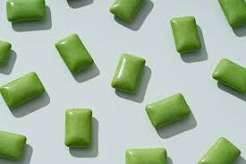
Chewing gum is not usually where people look for cancer prevention research, yet a new study suggests it may one day play a surprising role in oral health. Researchers have developed a bioengineered chewing gum that reduced oral HPV levels by up to 93 percent in patient sample tests, while also sharply lowering two bacteria linked to head and neck cancers.
A simple format with serious promise
The work, led by Henry Daniell of the University of Pennsylvania School of Dental Medicine, is still early and not a clinical treatment. Even so, the findings are striking because they point to a low cost, easy to use product that could help reduce microbial threats associated with head and neck squamous cell carcinoma. The study, published in Scientific Reports, tested extracts from a gum made from lablab beans and found that the gum reduced HPV in saliva samples by 93 percent and in oral rinse samples by 80 percent.
What makes the result notable is not only the size of the reduction, but the setting in which it happened. The gum was tested ex vivo, meaning on patient samples outside the body. That is a necessary first step, not a final answer, but it suggests a path toward prevention tools that could someday be used in everyday settings without the burden of complex medical procedures.
Why the mouth matters in cancer prevention
Head and neck cancers are often difficult to treat because they can be diagnosed late and can affect speech, swallowing, and quality of life in deeply personal ways. HPV, along with the bacteria Porphyromonas gingivalis and Fusobacterium nucleatum, has been associated with worse outcomes in these cancers. The new chewing gum was designed to target those microbes directly while leaving beneficial mouth bacteria largely intact.
That selectivity matters. The mouth is a crowded ecosystem, full of organisms that play useful roles in digestion and oral balance. A blunt treatment that wipes out everything can cause new problems. The researchers say the gum preserved healthy oral bacteria, which raises the possibility that it could support a more balanced approach than some current therapies, especially those that can disrupt the microbiome.
What the study found
- Bean gum extracts lowered HPV levels by 93 percent in saliva samples.
- HPV levels dropped by 80 percent in oral rinse samples.
- A bioengineered version of the gum reduced Pg and Fn to nearly zero in test samples.
- The treatment appeared to spare beneficial mouth bacteria.
How the gum works
The gum contains a natural antiviral protein called FRIL, derived from lablab beans. That protein helps trap HPV particles, making it harder for them to remain active in the oral environment. Researchers also added an antimicrobial peptide called protegrin to target harmful bacteria linked to head and neck cancer. Together, those ingredients gave the gum a two part defense, one aimed at viral particles and one aimed at disease associated bacteria.
That kind of design is important because oral cancer risk is not driven by a single agent. It is influenced by a combination of infection, inflammation, and microbial imbalance. A product that can push back against more than one pathogenic target has a better chance of becoming useful in prevention or supportive care, assuming the results hold up in future trials.
For readers who want to track the science behind this work, the study was published in Scientific Reports, where the authors detail the ex vivo testing and the microbiological effects observed in patient samples.
What this could mean for patients
The biggest appeal of this research is its practicality. Chewing gum is familiar, inexpensive, and easy to distribute. In places where access to advanced cancer prevention tools is limited, a functional chewing gum could one day offer a more approachable way to reduce oral pathogens associated with cancer risk. That does not mean it would replace vaccination, screening, or medical treatment. It could instead become a supportive tool used alongside established care.
The researchers say the gum may have potential both as an adjuvant to existing treatments and as a preventive product to reduce infection and transmission. That is an important distinction. The most realistic near term use may not be as a stand alone therapy, but as one piece of a larger oral health strategy that includes routine dental care, HPV vaccination, and early cancer detection.
Why experts are cautious
For all the excitement, caution is still necessary. The study was not a human outcomes trial. It did not show that the gum prevents cancer, cures infection, or improves survival. It showed that it can reduce microbe levels in patient samples under controlled conditions. That is promising, but it is only the beginning of the evidence chain.
The next questions are practical and clinical. How often would someone need to chew the gum? How long would the effect last? Would repeated use remain safe? Would it work the same way in real mouths, where saliva flow, diet, smoking history, immune status, and oral hygiene all vary widely? Those are the kinds of issues that can determine whether a laboratory success becomes a useful public health tool.
The human stakes are real
Behind the science is a disease that affects speaking, eating, and self image in painful ways. Head and neck cancers can change how a person sounds, how they swallow, and how they move through daily life. Families often feel those changes just as sharply as patients do. That is why even a small advance in prevention can matter so much. A product that is cheap, simple, and easy to tolerate can sometimes reach people that more complicated therapies never touch.
There is also a kind of everyday dignity in the idea. A chewing gum does not look like a cancer intervention. It looks ordinary, almost invisible. Yet if it can reduce HPV and harmful bacteria at the source, it could eventually become part of a quiet but powerful public health shift, the kind that happens one small habit at a time.
What comes next
The research team says the findings support further clinical trials. That step will decide whether the gum can move beyond sample testing and into real world use. Regulators and clinicians will want evidence on dosing, safety, durability, and long term impact before any health claims can be made. If the product continues to perform well, it could open a new category of functional oral health products designed to do more than freshen breath or clean teeth.
For now, the study offers a hopeful glimpse of what prevention research can look like when biology and simple delivery systems meet. It suggests that a familiar object can be reimagined as a medical tool, and that the path to better cancer prevention may not always require a machine, a surgery, or a prescription. Sometimes it may begin with a small, bioengineered chew and a big scientific idea.
The result is not a cure, and it is not ready for routine care. But it is the kind of early finding that makes researchers, clinicians, and patients pause, because it hints at a future where stopping disease might be easier, gentler, and far more accessible than we once imagined.