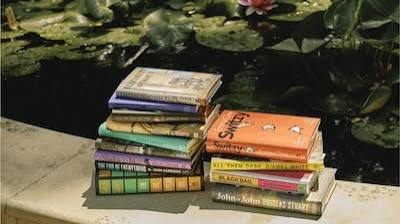
The judging panel for the 2026 Booker Prize has offered a rare look behind the scenes of one of the literary world’s most closely watched selection processes, revealing the extensive reading, private discussions and difficult decisions involved in choosing this year’s shortlisted novels. Speaking ahead of the final award ceremony scheduled for November 9 in London, the judges described a demanding process that required them to read 163 submitted works, narrow the competition to 13 longlisted titles and ultimately agree on just six finalists. Chaired by renowned classicist Mary Beard, the panel’s approach highlights how literary judgment involves more than technical writing skills, relying equally on originality, emotional impact and the ability of a story to remain with its readers.
The insights, shared on November 6, 2026, provide readers with an unusual opportunity to understand how a prestigious literary award reaches its final decision. While publishers and authors often focus on the announcement of the shortlist, the work behind that announcement involves months of reading, repeated evaluations and sometimes intense disagreements. For the five judges, selecting a winner means identifying a novel that stands out among an exceptionally diverse collection of contemporary fiction.
Five Judges Face the Challenge of Reading 163 Novels
The 2026 Booker Prize judging panel consists of five individuals from different professional and creative backgrounds. Their combined experience brings perspectives from literature, poetry, journalism, broadcasting and the wider cultural world.
Mary Beard, the celebrated classicist, author and broadcaster, serves as chair of the panel. She is joined by Raymond Antrobus, an award winning poet and educator; Jarvis Cocker, musician, writer and broadcaster; Rebecca Liu, journalist, editor and critic; and Patricia Lockwood, a Booker shortlisted novelist, poet and essayist.
The variety of professional backgrounds is deliberate. A judging panel made up entirely of novelists or literary critics might approach fiction through relatively similar expectations. By bringing together people with different creative experiences, the Booker Prize seeks a wider conversation about what makes a novel meaningful, memorable and worthy of recognition.
According to the judges, each member was expected to read all 163 submitted novels during approximately six months of judging. This arrangement ensures that every eligible book receives attention from all five members rather than being evaluated by just one or two readers.
Beard described the demanding nature of the responsibility, particularly the need to balance an enormous reading workload with professional commitments and everyday life. Reading so many substantial works requires concentration, consistency and an ability to remain receptive to different literary styles.
For readers who enjoy discovering new fiction, this detail offers an interesting perspective. A novel that eventually receives international recognition has to compete not only with established authors but also with dozens of other stories that may approach similar themes in entirely different ways.
How the Booker Prize Selection Process Works
The Booker Prize follows a structured selection process that moves from a large collection of eligible submissions to a final group of six novels. Although the judges retain responsibility for their literary decisions, the process provides several stages in which books are reconsidered and discussed.
Stage One: Reading All Eligible Submissions
The process begins with 163 submitted novels. These works must meet the prize’s eligibility requirements, which cover long form fiction written in English by authors of any nationality and published in the United Kingdom or Ireland within the specified eligibility period.
For the 2026 award, eligible books were published between October 1, 2025, and September 30, 2026. Each judge reads the submissions independently, developing an understanding of the stories, writing styles and creative ambitions represented across the collection.
This first stage is particularly demanding because the judges cannot concentrate exclusively on familiar authors or popular publishing trends. They must approach each eligible work with sufficient attention to identify qualities that might otherwise be overlooked.
Stage Two: Creating the Booker Dozen
After considering the full collection, the panel selects 12 or 13 books for the longlist, commonly known as the Booker Dozen. In 2026, the judges selected 13 novels from the original 163 submissions.
The longlist represents an important achievement for authors because it identifies their work among the strongest submissions of the year. However, reaching this stage does not guarantee a place among the final six contenders.
The judges must reconsider the selected books and assess how they compare with one another. A novel that initially makes a strong impression must continue to demonstrate its literary value when placed alongside other outstanding works.
Stage Three: Reconsidering the Longlisted Books
The next stage involves reading and discussing the 13 longlisted titles again. Repeated reading allows judges to examine details that might have been missed during the initial evaluation and to consider how individual novels contribute to the overall selection.
This stage can be particularly challenging because the differences between strong literary works are not always easy to define. One novel may offer extraordinary prose, while another may present a compelling narrative or an unusually memorable group of characters.
The judges must consider these qualities together rather than simply selecting books that follow familiar literary conventions. Their discussions eventually lead to the final shortlist of six novels.
Stage Four: Selecting the Final Winner
After the shortlist is established, the judges continue their discussions to identify the novel that deserves the 2026 Booker Prize. The final decision is made collectively, following further consideration of the six shortlisted books.
The winner will be announced on November 9, 2026, at a ceremony at Old Billingsgate in London. The winning author will receive £50,000, while each of the six shortlisted authors receives £2,500.
Inside the Private Judging Meetings
One of the most interesting revelations concerns the discussions that take place behind closed doors. The judges described lengthy meetings, including sessions lasting approximately three hours, during which they debate the strengths and weaknesses of individual novels.
This year’s key judging meetings were hosted at Fortnum & Mason in London. The setting provided a private space where the panel could discuss the submissions and work toward a shared decision.
Patricia Lockwood offered a particularly vivid description of the discussions, recalling moments of animated disagreement and even books being tossed across the room. Her comments illustrated the intensity of the conversations and the personal investment each judge brought to the process.
Such disagreements are not necessarily signs of a flawed selection system. On the contrary, they can demonstrate that the judges are taking the responsibility seriously. When different readers respond to a novel in different ways, the discussion can reveal aspects of the writing that a more straightforward evaluation might miss.
Ultimately, the panel must move beyond individual preferences and reach agreement on which works deserve recognition. This requires patience, careful listening and a willingness to reconsider an initial opinion.
The Traffic Light Method Helps Judges Compare Their Reactions
Among the methods discussed by the panel was a traffic light system designed to help judges communicate their reactions to individual books. Each judge classified a novel using three categories: green, amber or red.
Green represented a positive response, amber indicated uncertainty or mixed feelings, and red reflected a more negative assessment. The method gave the panel a practical way to identify where opinions differed and which books deserved further discussion.
Interestingly, the most productive conversations often emerged when judges had contrasting reactions to the same novel. A book receiving both green and red assessments could become the subject of a deeper conversation about its artistic choices, narrative structure and emotional effect.
This approach recognizes that literary quality cannot always be reduced to a simple numerical score. A novel may challenge conventional storytelling, contain deliberately uncomfortable characters or introduce unusual ideas that divide readers.
Rather than immediately dismissing such works, the judges can examine why their reactions differ and whether those differences reveal something significant about the writing.
Two Simple Questions Helped Guide the Literary Debate
The 2026 judges also revealed two questions that became particularly useful during their discussions: Would you read the book again, and would you recommend it to someone else?
These questions may sound straightforward, but they address important aspects of the reading experience. A novel can be technically accomplished without necessarily creating a lasting impression. Another may be challenging or unconventional but leave readers eager to return to its characters and ideas.
Asking whether a judge would read a book again considers its lasting appeal. It encourages the panel to think beyond the immediate experience of finishing a novel and consider whether the writing continues to offer something meaningful after the final page.
The recommendation question introduces another perspective. Would a judge feel confident encouraging another reader to experience the same story, even if it contained difficult themes or unconventional narrative choices?
Neither question represents an official scoring formula. Instead, they provide practical ways to discuss the qualities that distinguish memorable fiction from books that may be less successful in creating a lasting connection.
Why the Judges Looked for Distinctly Human Stories
Another important theme emerging from the discussions was the panel’s interest in fiction that felt distinctly human. Rebecca Liu spoke about the value of stories that celebrate human imperfections, unusual experiences and the complicated realities of individual lives.
This perspective is particularly interesting at a time when artificial intelligence is becoming increasingly visible in creative industries. The judges’ comments suggest an appreciation for writing that reflects the complexity of human experience rather than simply producing polished or predictable storytelling.
Human characters are rarely perfect. They make mistakes, misunderstand one another, experience conflicting emotions and sometimes struggle to explain their own decisions. Fiction that captures these contradictions can create a powerful connection between readers and the imagined worlds they encounter.
For the Booker panel, originality does not necessarily mean producing a story that has never been attempted before. It can also involve presenting familiar experiences through an unexpected voice, unusual structure or distinctive understanding of human relationships.
The emphasis on individuality helps explain why the final shortlist includes works with very different narrative approaches. Rather than rewarding a single preferred style, the judges have selected novels that demonstrate the variety of contemporary English language fiction.
The Six Novels Competing for the 2026 Booker Prize
The final shortlist was announced on September 22, 2026, following the judges’ months of reading and discussion. It includes six novels selected from the 13 titles on the Booker Dozen.
The shortlisted works are:
- The End of Everything by M. John Harrison.
- The Disappearers by Marlon James.
- Black Bag by Luke Kennard.
- May We Feed the King by Rebecca Perry.
- The Things We Never Say by Elizabeth Strout.
- John of John by Douglas Stuart.
The selection brings together established literary figures, previous Booker Prize winners and authors experiencing the recognition of the award’s shortlist for the first time.
Marlon James previously won the Booker Prize in 2015 for A Brief History of Seven Killings. His shortlisted novel The Disappearers explores violence, identity and revenge through a story connected to 1980s Jamaica.
Douglas Stuart, who won the award in 2020 for Shuggie Bain, returns with John of John, a novel exploring family relationships and the emotional consequences of returning home.
Elizabeth Strout, another established literary figure, is shortlisted for The Things We Never Say. Meanwhile, M. John Harrison’s inclusion has attracted attention because, at 81, he could become the oldest winner in the prize’s history if selected.
The remaining titles bring additional variety through their approaches to contemporary life, unconventional characters, historical settings and speculative storytelling.
What the Booker Prize Means for Authors and Readers
Being shortlisted for the Booker Prize can have a significant impact on an author’s career. The recognition brings international attention, introduces books to new audiences and can encourage publishers and booksellers to give greater visibility to the selected works.
For emerging writers, the shortlist can provide an important opportunity to reach readers who might not otherwise encounter their work. For established authors, it offers another opportunity to demonstrate their creative development and contribution to contemporary literature.
Readers also benefit from the selection process. The shortlist provides a carefully considered collection of books that can introduce different voices, subjects and literary approaches. It can encourage people to explore authors outside their usual reading preferences and participate in wider conversations about fiction.
The award also serves as a reminder that literary recognition is not based solely on commercial success. The judges are evaluating works for their artistic qualities and the experiences they create for readers, rather than simply considering sales figures or existing popularity.
Final Booker Prize Decision Approaches on November 9
With the shortlist already established, attention is now turning toward the final ceremony at Old Billingsgate in London on November 9. The judges have completed the difficult task of narrowing hundreds of reading hours into six outstanding works, but one final decision remains.
The winner will receive £50,000 and the opportunity to join the distinguished history of Booker Prize recipients. The other shortlisted authors will each receive £2,500 in recognition of reaching the final stage.
The judging panel’s latest comments provide a valuable reminder that selecting an exceptional novel is rarely a straightforward exercise. It involves different interpretations, competing preferences, careful reconsideration and a shared commitment to recognizing outstanding writing.
For readers following the 2026 competition, the final announcement promises more than the recognition of a single author. It represents the conclusion of a process built around the power of stories to challenge assumptions, explore difficult emotions and help people understand experiences beyond their own.
Further details about the judges, shortlisted novels and final ceremony are available through the official Booker Prizes website, which provides updates and information about the award’s history and selection process.