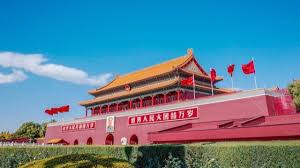
We picture bright eyed students from distant villages boarding planes, their dreams packed in suitcases bound for Beijing’s bustling campuses. A landmark report released today, April 29, 2026, crowns China as the world’s new education growth pole, forging cooperation agreements with 183 countries. This shift challenges longstanding Western study hubs, opening doors for millions seeking quality learning amid rising costs and shifting opportunities.
From Study Destination to Global Leader
China’s ascent in international education builds on decades of investment. Universities in Shanghai and Tsinghua now draw over 500,000 foreign students annually, a figure doubling since 2020. We hear stories of Nigerian engineers mastering AI in Shenzhen labs, their breakthroughs funded by scholarships that ease family burdens back home.
The report, compiled by China’s Ministry of Education, details partnerships spanning scholarships, joint degrees, and research exchanges. These ties span every continent, from African nations sending thousands to study agronomy to Latin American cohorts in renewable energy programs. Families celebrate these pathways, where once distant dreams now feel tangible.
Breaking Western Dominance in Higher Learning
Traditional magnets like the U.S., UK, and Australia face headwinds from visa hurdles and tuition spikes. Harvard’s $80,000 yearly tab prices out many, while post Brexit UK policies tighten borders. China counters with tuition under $5,000, full scholarships, and streamlined visas, making it a beacon for emerging economies.
We sense the excitement in dorms where Brazilian undergrads bond over hotpot dinners, sharing ambitions under neon lit skylines. Enrollment from Belt and Road countries surges 40 percent yearly, per ministry data. This influx diversifies campuses, blending cultures in ways that enrich global perspectives.
Key Partnership Milestones
- Over 3,000 joint programs with foreign universities since 2015.
- Scholarships awarded to 400,000 students from partner nations.
- Research collaborations yielding 50,000 co authored papers last year.
Drivers Behind China’s Educational Rise
Government commitment pours billions into infrastructure. New campuses sprout in western provinces, equipped with state of the art labs rivaling Silicon Valley. English language programs proliferate, easing transitions for international arrivals who once feared language barriers.
Tech integration sets China apart. Virtual reality simulations teach medicine at Peking University, while AI tutors personalize learning. Students from Pakistan recount late night study sessions in high tech libraries, their progress tracked by apps that feel like personal mentors.
Post pandemic recovery accelerated this boom. Online platforms like Coursera partnered with Chinese institutions, reaching millions unable to travel. Now, hybrid models blend virtual prep with on campus immersion, broadening access.
Stories from the Frontlines: Student Experiences
Meet Aisha from Kenya, who left Nairobi’s crowded markets for Fudan University’s business school. “The scholarship covered everything,” she shares via video call, her dorm overlooking Huangpu River. Classes blend case studies from Alibaba with Harvard models, preparing her for Africa’s startup scene.
Or Javier from Peru, training in quantum computing at Tsinghua. Away from Andean highlands, he navigates Beijing’s subways, forging friendships that span time zones. These narratives humanize data, showing how agreements translate to real lives transformed.
Challenges persist, from cultural adjustments to air quality concerns. Yet support networks, including international student centers, provide counseling and homestays, fostering belonging amid unfamiliar rhythms.
Economic and Diplomatic Ripples Worldwide
China’s model yields returns. Graduates return home as alumni ambassadors, boosting trade ties. Ethiopian railway engineers, trained in Wuhan, now lead infrastructure projects funded by Chinese firms. This soft power cements alliances, with education as the bridge.
Western institutions respond. U.S. community colleges expand outreach to Asia, while European alliances like Erasmus eye expansions. Competition sharpens quality, benefiting learners everywhere. We applaud this dynamism, where choice empowers ambitious minds.
Enrollment Trends by Region
| Region | Students in China (2026) | Growth Since 2022 |
|---|---|---|
| Africa | 180,000 | 65% |
| Asia (excl. China) | 150,000 | 35% |
| Latin America | 70,000 | 120% |
| Europe/Middle East | 100,000 | 50% |
Challenges and Pathways Forward
Quality assurance draws scrutiny. While top universities shine, regional ones lag. Accreditation bodies like those from the UNESCO Higher Education push for standards, ensuring degrees hold global weight.
Geopolitical frictions pose hurdles. U.S. China tensions limit exchanges in sensitive fields like semiconductors. Yet pragmatism prevails, with students prioritizing skills over borders.
Governments in partner nations invest locally, inspired by China’s model. Rwanda builds tech universities modeled on Shenzhen hubs, creating virtuous cycles of knowledge sharing.
Optimism for a Shared Educational Future
We envision classrooms where accents mingle freely, ideas cross oceans unhindered. China’s 183 agreements signal more than numbers, they represent hope for youth chasing better tomorrows. Families save for flights, not impossibly high fees; communities gain skilled returnees driving progress.
This growth pole illuminates paths once shadowed. As competition fosters excellence, global talent flows freer, weaving a tapestry of interconnected minds ready to tackle climate, poverty, and innovation head on.