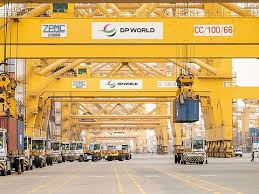
On May 24, 2026 DP World published a sweeping sustainability framework that lays out how the global logistics company will push its supply chains toward net zero. The report includes a confirmed 14% reduction in Scope 1 and 2 emissions and states that more than 67% of the companys maritime operations are now running on renewable energy. The plan pairs measurable short term targets with operational changes that reach from shore power at ports to alternative fuels for vessels and electrified yard equipment.
What the numbers mean for freight and emissions
A 14% decline in Scope 1 and 2 emissions is a concrete accomplishment coming from intensified energy efficiency programs and broader uptake of clean electricity across DP World terminals. Scope 1 covers direct emissions from company owned assets while Scope 2 covers indirect emissions from purchased electricity. Cutting those emissions by double digits signals that port electrification, solar arrays on terminals, and switching to grid supplied renewables are already shifting the emissions profile of container handling and yard operations.
The claim that over two thirds of maritime operations run on renewable energy points to several practices: sourcing green electricity for onshore facilities, increasing shore side power connections so ships can plug in instead of idling auxiliary engines, and participating in pooled renewable energy purchase agreements. While this does not eliminate fuel use onboard ships it reduces the carbon embodied in port stays and terminal services, which are major sources of operational emissions in global logistics.
Where the reductions came from
DP World attributes the emissions decline to three operational levers. First, accelerated electrification of cranes, trucks, and terminal vehicles reduced diesel consumption. Second, investments in solar and grid renewable contracts cut the emission intensity of electricity used at ports. Third, operational redesigns such as improved vessel berthing windows and automated yard choreography reduced idling times and unnecessary handling movements. Together these measures created compounding reductions in energy use and carbon output.
Strategic pillars of the sustainability framework
The new framework organizes action around clear pillars that will guide capital allocation and procurement decisions. The pillars include decarbonizing onshore operations, greening maritime links, integrating low carbon fuels in long haul transport, and embedding circularity into packaging and equipment lifecycles. Each pillar pairs targets with governance mechanisms: executive level accountability, climate risk reporting aligned with international standards, and third party verification of progress.
Key operational commitments
- Scale up shore power infrastructure so ships can connect to clean electricity while docked
- Convert yard fleets to battery electric and hydrogen fuel cell vehicles where feasible
- Expand renewable power purchase agreements and deploy rooftop and ground mounted solar at terminals
- Trial low carbon shipping fuels including green ammonia and e methanol on selected trade routes
- Implement circular maintenance for container handling equipment to extend life and lower embodied emissions
Implications for customers and supply chain partners
Large shippers and manufacturing customers will see supply chain offerings with clearer emissions footprints and options to source lower carbon logistics. DP World plans to integrate enhanced emissions reporting into booking systems so customers can choose lower emission routing and consolidated handling that reduce empty miles. The company also intends to offer carbon neutral services where remaining emissions are offset with high quality removals or avoided through verified projects. For smaller freight forwarders the framework could drive procurement standards that favor terminals demonstrating verifiable decarbonization.
Price and operational trade offs
Transitioning fuel sources and electrifying equipment carries capital costs and operational complexity. DP World acknowledges these trade offs and proposes phased implementation schedules that align investments with demonstrable total cost of ownership benefits, regulatory incentives, and customer commitments to pay for lower carbon services. The companys scenario planning includes sensitivity tests for fuel prices, technology readiness, and supply chain disruptions so plans remain adaptable under uncertain market conditions.
Regulatory context and industry alignment
Global shipping and port operations operate within a shifting regulatory landscape. The International Maritime Organization has tightened greenhouse gas goals for shipping and many national regulators are extending emissions rules to ports and hinterland transport. DP Worlds framework signals a willingness to go beyond compliance by setting measurable corporate targets and engaging with policy makers to design practical instruments such as port electrification subsidies and low carbon fuel mandates. The company also commits to sharing best practices with industry peers to accelerate collective progress.
For technical reference and policy alignment DP Worlds approach complements guidance from international institutions that specialize in transport decarbonization and port planning. Readers seeking broader context can consult resources from the International Energy Agency and the International Maritime Organization for sectoral strategies and technical pathways.
Financial commitments and funding pathways
DP World plans to fund the transition through a combination of retained earnings, green bonds, and targeted public private financing. The company outlined potential use of proceeds for renewable generation projects, electrification of equipment, and pilot programs for alternative fuels. Green debt instruments can lower the weighted cost of capital for infrastructure projects while grants and concessional financing from development banks can bridge funding gaps in regions where returns are lower but social value is high.
Investor and rating agency reactions
Environmental social and governance investors are watching closely. Early reactions from sustainable finance analysts noted that the companys mix of verified emissions reductions and public targets reduces transition risk but stressed the need for transparency on baseline methodologies and accounting practices. Rating agencies look for independent assurance of reported figures and clear linkages between capital expenditures and emissions outcomes.
Worker safety, skills, and community impact
Electrifying terminals and introducing new fuels will change job profiles at ports. DP World includes workforce reskilling programs in its framework to prepare technicians for battery systems, power electronics, and alternative fuel handling. The company also emphasized worker safety protocols for novel fuels and community engagement where projects affect local air quality. Longshore workers and unions were cited as partners in pilot programs designed to test new technologies without compromising livelihoods.
Risks and accountability mechanisms
Despite the progress, risks remain. Supply chain emissions beyond direct operations such as trucking, rail, and upstream fuel production account for a significant share of total footprint. The framework sets upstream engagement strategies but recognizes that reaching net zero will require coordination with carriers, rail operators, and fuel suppliers. To hold itself accountable DP World will publish annual sustainability reports with third party verification and will align disclosures with recognized frameworks such as the Task Force on Climate related Financial Disclosures and global reporting standards.
Voices from the front line
On a windy afternoon at a major Middle Eastern terminal operations managers described the sensory contrast before and after electrification. The low hum of electric cranes replaced the heavy diesel rumble and the air around the stacks felt cleaner. Dockworkers spoke about improved respiratory comfort and a quieter workplace, while operations leads noted smoother shift handovers because electric systems provided more predictable performance. These on the ground observations complement the numbers in the sustainability report and illustrate how decarbonization can alter daily work experiences.
Next steps and signals to the market
DP World will roll out detailed roadmaps for each regional hub with milestone targets for the next three to five years. Key signals for markets include increased procurement of electric handling equipment, expansion of shore power capacity at strategic ports, and scaling of pilot shipping routes using low carbon fuels. The company will also convene supplier forums to cascade requirements and incentives so that the broader logistics ecosystem aligns behind measurable carbon reduction goals.
The companys announcement is an example of how a major logistics operator is translating emissions targets into operational decisions and capital plans. As freight volumes grow and supply chains become more exposed to climate risk the practical steps DP World has outlined offer a template for other operators that must balance service reliability competitive pressures and the need to reduce greenhouse gas emissions.
For technical briefings and further documentation on global supply chain decarbonization readers can consult materials from the International Energy Agency and the International Maritime Organization as complementary resources to DP Worlds public reports.