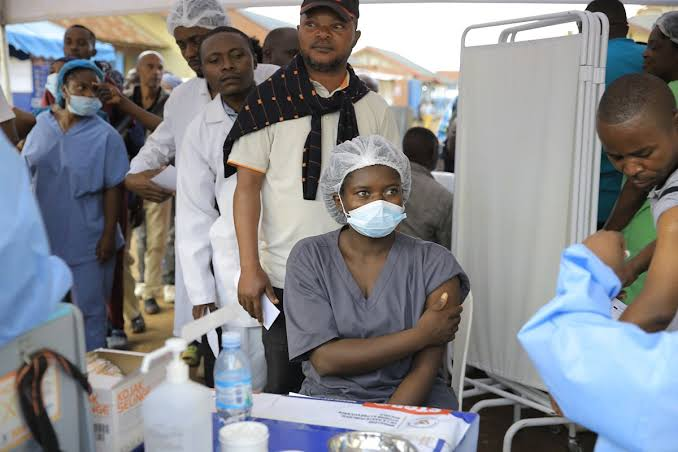
Regional disease alerts have renewed concerns about Africa’s ability to respond quickly to dangerous infectious diseases, placing public health funding and emergency preparedness back at the center of the debate. Reports and commentary surrounding October 16, 2026, have highlighted concern about an Ebola case in Kenya, alongside calls from public health advocates for governments across Africa to allocate more domestic resources to healthcare systems, disease surveillance and emergency response. The precise circumstances of the reported case, including confirmation status and any associated transmission, require verification through official health authorities. Even so, the wider policy question is clear: how can countries prepare for serious outbreaks before hospitals, laboratories and frontline health workers are placed under overwhelming pressure?
For families, the threat of a dangerous infectious disease can bring fear, uncertainty and difficult decisions about seeking medical care. For nurses, laboratory staff and community health workers, an outbreak can mean long hours, shortages of protective equipment and the responsibility of communicating urgent information to worried communities. These realities explain why public health investment cannot be treated as an expense that matters only during a crisis. It is a continuing responsibility that can help protect lives, preserve essential services and reduce the economic disruption caused by epidemics.
Why Ebola Alerts Put Healthcare Preparedness Under Scrutiny
Ebola virus disease is a serious illness that can cause severe symptoms and death. It spreads primarily through direct contact with the blood or other bodily fluids of an infected person who is symptomatic, or with contaminated materials. Transmission can also occur through contact with the body of someone who has died from the disease. Ebola does not ordinarily spread through the air in the same way as measles, a distinction that matters when explaining risk to the public.
An alert involving a suspected or confirmed case does not automatically mean that a widespread outbreak is underway. Health authorities must establish whether infection has been confirmed, investigate the patient’s movements and contacts, and assess whether further transmission has occurred. This process requires trained personnel, reliable laboratories, protective supplies, transport and clear coordination between healthcare facilities and public health agencies.
When these systems are well prepared, officials can investigate alerts more quickly and take appropriate action before transmission expands. When they are underfunded, even routine tasks can become difficult. Delays in testing, insufficient staffing, weak reporting systems and limited access to protective equipment can undermine an otherwise effective response.
For this reason, a disease alert should prompt careful investigation rather than speculation. Authorities need to share verified information promptly, explain what is known and what remains uncertain, and provide practical guidance without creating unnecessary panic. Public confidence is easier to maintain when communication is consistent, transparent and supported by evidence.
Domestic Healthcare Budgets Are Central to Emergency Readiness
Public health advocates across Africa have repeatedly called for stronger domestic investment in healthcare, including the resources needed to identify and control infectious diseases. International assistance can provide valuable expertise, emergency supplies and financial support, but countries also need dependable funding for the everyday systems that make a rapid response possible.
Emergency preparedness begins long before a disease alert reaches the headlines. Laboratories need functioning equipment and trained technicians. Clinics need adequate staffing and infection prevention procedures. Surveillance teams need reliable transport and communication systems. Hospitals need access to protective clothing, diagnostic supplies and designated areas where patients with suspected infectious diseases can be assessed safely.
These requirements compete with other public spending priorities, including education, infrastructure, food security and social protection. Governments therefore face difficult budget decisions. Yet underinvestment in essential health services can carry much greater costs when an outbreak disrupts workplaces, schools, travel and ordinary medical care.
Domestic financing also offers a measure of continuity. External funding can fluctuate with donor priorities and competing emergencies elsewhere in the world. When essential surveillance and laboratory services depend too heavily on short term grants, countries may struggle to maintain trained staff, equipment and supply chains between outbreaks. Stable national allocations can help keep these capabilities operational even when international attention moves elsewhere.
From emergency announcements to dependable funding
A strong public health budget should cover both immediate response capacity and the routine services that support it. This means funding more than emergency declarations, temporary treatment facilities or supplies purchased after a crisis has begun.
Governments can strengthen preparedness by protecting funding for disease surveillance, laboratory networks, healthcare worker training, infection prevention and community outreach. Budget plans should also include resources for maintaining equipment, replacing expired supplies and conducting exercises that test how agencies would respond to an outbreak.
Public reporting matters just as much as the size of an allocation. Citizens and oversight bodies need to understand how funds are distributed, whether planned purchases arrive on time and whether frontline facilities have the resources they were promised. Transparent procurement and independent audits can help reduce waste and improve confidence in public spending.
Kenya’s Preparedness Depends on Surveillance and Coordination
Kenya’s position as a regional transport and economic hub makes effective disease surveillance particularly important. International travel, cross border trade and movement between communities can complicate the investigation of infectious disease alerts. These connections also make coordination between national authorities, neighboring countries and regional public health institutions essential.
When a suspected case is identified, the immediate priorities are to obtain appropriate diagnostic testing, assess the patient’s clinical condition, establish a reliable history of possible exposure and identify people who may have had relevant contact. Health teams can then determine which individuals require monitoring and what protective measures are appropriate. Any confirmed response should follow national protocols and guidance from qualified public health authorities.
Healthcare facilities must be prepared to assess patients without exposing other patients or staff to unnecessary risk. This requires clear procedures for identifying symptoms and relevant exposure histories, using protective equipment correctly, arranging safe patient transfers and cleaning potentially contaminated environments. Staff must know whom to contact and how to escalate concerns without waiting for a crisis to develop.
Cross border coordination is equally important. Neighboring countries may need to share verified information, coordinate surveillance and prepare referral arrangements when an alert has implications for more than one jurisdiction. Regional cooperation can reduce duplication, improve situational awareness and help officials direct limited resources toward the areas where they are most needed.
Africa’s Ebola Response Highlights the Need for Regional Investment
Kenya’s experience is part of a broader regional public health challenge. On October 16, 2026, the World Health Organization reported that Kenya had confirmed its second and third cases of Bundibugyo Ebola, both involving close family members of the first patient who had already been placed in quarantine. The country had recorded three cases, including one death, at that point. These developments illustrated the importance of identifying contacts, monitoring exposed individuals and detecting infections early. The World Health Organization has stressed that effective Ebola control requires coordinated surveillance, safe clinical care and sustained community engagement.
The cases also underscored the importance of protecting healthcare workers. Medical personnel can face significant exposure risks when caring for infected patients, particularly if an infection has not yet been recognized or protective procedures are inadequate. Training, protective equipment, reliable reporting and access to appropriate testing are therefore essential investments rather than optional additions to a health budget.
Kenya’s response also demonstrates why emergency preparedness should extend beyond the facilities treating confirmed cases. Public health authorities need the capacity to investigate possible exposures, communicate with communities, coordinate laboratory services and maintain essential healthcare for people who are not affected by the outbreak. These activities must continue even when public attention is focused on a single disease.
Funding Gaps and Accountability Must Be Addressed Together
Calls for additional public health financing raise an equally important question: how can governments and international partners ensure that money reaches the people and services that need it? A larger budget alone cannot guarantee an effective response if funding is delayed, procurement is poorly managed or resources fail to reach frontline facilities.
In June 2026, the World Health Organization and Africa Centres for Disease Control and Prevention launched a joint continental preparedness and response plan seeking 518 million US dollars to support the response to the ongoing Bundibugyo Ebola outbreak and strengthen readiness in at risk countries. The plan covers disease surveillance, laboratory testing, infection prevention, clinical care, emergency coordination, community engagement and the continuity of essential health services.
Such coordinated plans can help governments and partners identify funding requirements and reduce duplication. However, their effectiveness depends on timely disbursement, clear responsibilities and reliable reporting. Health ministries need to know which resources are available, which commitments remain outstanding and where operational gaps are preventing an effective response.
Domestic funding and international assistance should therefore reinforce one another. National governments can establish predictable budget allocations and emergency financing arrangements, while development partners can support technical capacity, research, equipment and surge response needs. Aligning external support with national priorities can reduce fragmentation and strengthen institutions beyond the immediate emergency.
Financial accountability is especially important when public trust is under pressure. Governments and funding partners should publish understandable expenditure information, monitor procurement and assess whether resources produce measurable improvements in preparedness. These safeguards protect public money while helping decision makers identify problems before they affect patient care.
Community Trust Is Essential to Containing Ebola
Emergency planning is often discussed in terms of hospital beds, laboratory capacity and funding totals. Yet an outbreak response also depends on decisions made by ordinary people in homes, workplaces and local communities. Individuals who understand the risks and trust public health officials are more likely to report relevant symptoms, cooperate with contact tracing and seek appropriate medical assessment.
Fear and misinformation can make these tasks harder. People may avoid healthcare facilities because they are frightened of isolation, worried about their families or concerned about losing income. Others may hesitate to disclose contacts if they fear discrimination or blame. Public health agencies must address these concerns with empathy rather than treating communities as obstacles to disease control.
Local leaders, community health workers and trusted medical professionals can help explain why monitoring and temporary isolation may be necessary. Communication should be provided in accessible languages and should answer practical questions about healthcare, family support and the circumstances under which people can safely resume ordinary activities.
Officials should also protect the dignity and privacy of patients and their families. Public identification of individuals without a legitimate public health reason can expose people to stigma and discourage others from cooperating. A respectful response recognizes that patients need care and support, not public blame.
Practical Priorities for African Governments
To convert renewed concern into lasting improvements, governments can focus on several achievable priorities that strengthen both immediate response and long term health security.
- Protect essential health allocations: Establish dependable domestic funding for surveillance, laboratories, frontline staffing and infection prevention.
- Prepare emergency financing in advance: Define how contingency funds can be released quickly and how resources will reach local health facilities.
- Strengthen the health workforce: Provide regular training, adequate protective equipment and reliable support for healthcare workers operating under pressure.
- Improve regional cooperation: Share verified outbreak information and coordinate surveillance, laboratory support and cross border preparedness.
- Make expenditure transparent: Track spending, publish progress reports and investigate gaps between promised resources and actual delivery.
- Support communities: Invest in trusted local communication, accessible medical services and practical assistance for affected households.
Governments should also measure preparedness through operational results. Relevant indicators include the time needed to investigate a suspected case, the speed of laboratory confirmation, the proportion of identified contacts successfully monitored and the availability of essential supplies. These measures provide more meaningful evidence of readiness than budget announcements alone.
Protecting Health Today Can Reduce Tomorrow’s Economic Costs
Infectious disease outbreaks create consequences that extend well beyond hospitals. Families may lose income when a relative becomes ill or requires monitoring. Businesses can experience disruptions, while schools and healthcare services may face pressure to adapt. Travel and trade can also be affected by uncertainty, official restrictions and declining public confidence.
Preparedness cannot eliminate every outbreak, but effective surveillance and rapid response can reduce the likelihood that an isolated infection develops into a larger emergency. Early detection, safe care and well coordinated contact tracing can also help authorities avoid unnecessarily broad measures that impose costs on unaffected communities.
For this reason, health spending should be considered alongside economic resilience. A well prepared healthcare system protects workers, supports business continuity and helps communities recover more quickly from emergencies. Investment in laboratories, trained personnel and reliable public health institutions can deliver benefits long after a particular outbreak has ended.
International partnerships remain valuable, especially when an emergency exceeds the capacity of a single country. However, sustainable progress requires African governments to strengthen their own health systems and ensure that emergency preparedness remains a priority between crises. External assistance is most effective when it supports national leadership, builds lasting capacity and operates with clear accountability.
Conclusion: Emergency Preparedness Requires Action Before the Next Alert
The Ebola cases confirmed in Kenya by October 16, 2026, renewed attention to a fundamental challenge facing public health systems across Africa: dangerous infectious diseases demand rapid action, but effective responses depend on investments made well before an emergency begins.
Stronger domestic healthcare budgets, dependable emergency financing, trained healthcare workers, reliable laboratories and effective regional cooperation can help countries respond more quickly when new infections emerge. Transparent spending and community engagement are equally important because resources produce better results when institutions are trusted and communities understand the response.
The immediate priority is to follow verified health guidance, support the work of medical teams and avoid spreading unconfirmed information about individual cases. The longer term responsibility belongs to governments, regional institutions and funding partners that must ensure preparedness is backed by reliable resources rather than temporary commitments.
An outbreak alert should not be the moment when a country begins preparing for the next health emergency. It should be the moment when the value of existing preparation becomes clear. By making public health funding consistent, accountable and focused on frontline needs, African countries can protect lives, strengthen public confidence and build greater resilience against future epidemics.