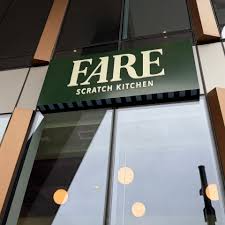
FARE is taking its version of fast food beyond its Chicago home market, opening its first North Carolina restaurant on November 6, 2026, in Charlotte. The launch marks a significant milestone for the female founded fast casual brand, which has built its business around scratch made meals, seasonal ingredients and a kitchen philosophy that avoids seed oils and refined sugars. With a second Charlotte location already planned for 2027, the expansion offers an early test of whether a real food approach can attract customers in a new market while keeping the convenience expected from quick service dining.
Charlotte Becomes FARE’s First Market Outside Illinois
The new restaurant, FARE Queensbridge Collective, is located at 111 E. Carson Boulevard in Charlotte’s South End neighborhood, on the ground floor of the Vivian residential building. Its opening brings the company to 11 locations, following a network of 10 restaurants and outlets in the Chicago area. The move is more than a new address: it is the first time the brand is taking its operating model beyond the region where it was established.
Founder and chief executive Kasia Bednarz described the opening as an important step in the company’s growth and its effort to make real, clean food accessible. FARE began in Chicago in 2018 after Bednarz struggled to find convenient restaurant meals that she considered both wholesome and genuinely enjoyable. Rather than treating healthier food as a niche offering, she set out to build a restaurant where freshness, flavor and speed could coexist.
The Charlotte restaurant is scheduled to serve customers daily from 7 a.m. to 9 p.m. Its all day format is designed to reach people at different points in their routines, from breakfast before work to lunch between appointments and dinner after a busy day. The opening also gives FARE an opportunity to introduce its menu to customers who may be familiar with fast casual dining but have not encountered the brand before.
A Menu Built Around Fresh Preparation and Seasonal Ingredients
FARE’s central proposition is straightforward: convenient restaurant food does not have to depend on heavily processed ingredients or industrial shortcuts. The company describes its kitchens as scratch made, with food prepared at each location. Its menu includes seasonal bowls and plates, breakfast dishes, sides, drinks and options intended to suit different appetites and dietary preferences.
Breakfast offerings include dishes made with organic eggs, overnight oats and Greek yogurt parfaits with seasonal fruit. Later in the day, customers can choose customizable bowls and market plates, selecting proteins, bases, vegetables and sauces. The menu also includes familiar comfort food choices, showing that the company is not positioning its concept as a restrictive diet restaurant.
FARE has published a set of food standards that includes no seed oils, no refined sugars, no ultra processed ingredients and full ingredient transparency. It also says its food is prepared from scratch daily and served in satisfying portions. These commitments give the brand a clear identity in a crowded fast casual market, although customers with specific dietary needs should still review ingredient and allergen information for individual dishes.
Why FARE Is Betting on the Better for You Fast Casual Market
The company is entering a restaurant sector where customers increasingly want meals that feel fresh without requiring the time, cost or planning involved in cooking at home. Fast casual restaurants occupy a middle ground between traditional quick service outlets and full service dining. Customers generally expect faster ordering and more convenient service, but they may also look for customizable meals, recognizable ingredients and a more comfortable dining experience.
FARE is building its identity around that balance. Its approach is not simply to offer salads or remove indulgent items from the menu. Instead, it combines vegetable focused dishes with proteins, substantial sides, baked goods and familiar favorites. That mix may help the brand appeal to people who want to eat thoughtfully but do not want every meal to feel like a compromise.
There is also a practical business case for the model. A menu that changes with the seasons can give returning customers new choices and allow the kitchen to feature ingredients as availability changes. Preparing food in each restaurant gives the company greater control over its stated preparation standards, though it also requires consistent staff training, reliable suppliers and careful kitchen management as the business grows.
What the Charlotte Restaurant Offers
The Queensbridge Collective location is designed to serve more than one type of dining occasion. Its breakfast menu includes organic egg dishes, overnight oats and yogurt parfaits. For lunch and dinner, customers can choose bowls or plates built around proteins, seasonal bases, vegetables and sauces. The brand also offers sides such as harissa sweet potatoes, roasted carrots and green goddess slaw, alongside familiar options including macaroni and cheese.
Customers can order for dine in, takeout and delivery through the company’s ordering channels. This range matters because convenience is central to the promise FARE is making. A restaurant can use high quality ingredients, but if ordering is difficult or service is slow, it risks losing the customers whose schedules make fast food attractive in the first place.
The opening also includes a promotional partnership with OLIPOP, featuring a limited availability Apple Crisp Float. The company announced that the first 100 guests in line would receive a complimentary plate entree as part of the launch celebration. Such promotions can introduce a new restaurant to nearby residents, although long term success will depend more on repeat visits, consistent food quality and value than on opening day attention.
A Second Charlotte Location Is Already Planned
FARE’s expansion plans extend beyond the Queensbridge Collective opening. The company has identified a second Charlotte location at 1711 Commonwealth Avenue in the Plaza Midwood neighborhood, with an expected opening in spring 2027. The planned site suggests that FARE sees Charlotte as a market with room for more than one restaurant rather than a one location experiment.
That decision could help the company build recognition across different parts of the city. South End and Plaza Midwood have distinct neighborhood identities and customer patterns, giving FARE an opportunity to learn how its menu and service model perform in more than one setting. A second location would also create an opportunity to refine staffing, purchasing and local marketing before considering further expansion.
For now, the company has not announced a detailed nationwide opening schedule. Its first move outside Illinois is best understood as a measured expansion into a new market, not evidence that a rapid national rollout has already been secured.
The Challenges of Scaling a Scratch Made Restaurant Model
Growth can be especially demanding for a restaurant that promises fresh preparation. As more locations open, the company must maintain the same ingredient standards, preparation methods and customer experience across kitchens that may face different labor costs and supply conditions. Seasonal menus add another layer of complexity because produce availability, pricing and quality can vary by region and time of year.
Food costs are another important consideration. Fresh ingredients and in house preparation can require more labor and careful purchasing than menus built around standardized processed products. Restaurants must balance those expenses against prices customers are willing to pay. If meals become too expensive, the brand may struggle to reach the everyday diners it hopes to serve. If prices are kept low without strong operational controls, margins can come under pressure.
FARE will also need to make its standards understandable and consistent. Terms such as clean food and real ingredients can mean different things to different customers. Publishing ingredient information, explaining preparation practices and keeping menu descriptions accurate can help build trust. Clear allergen details are equally important for customers who need to avoid particular ingredients.
How the Expansion Fits Into a Wider Food Industry Conversation
FARE’s growth arrives amid ongoing debate about food processing, nutrition and the role restaurants play in everyday eating habits. Many customers are interested in knowing what goes into their meals, but convenience, affordability and taste remain powerful influences on where people choose to eat. Restaurants that want to compete in this space must deliver on all of these expectations rather than relying on a health focused message alone.
It is also worth distinguishing a restaurant’s ingredient policy from a broad claim that its meals will produce particular health outcomes. Avoiding certain oils or refined sugars does not, by itself, establish that every menu item is suitable for every diet or that eating there will prevent disease. Customers benefit most when restaurants provide specific ingredient and nutrition information that allows them to make choices based on their own needs.
FARE’s published menu and location information is available through its official website, where customers can review its food offerings and restaurant details. The Charlotte opening has also been covered by Axios Charlotte, which reported on the brand’s first move outside Chicago and its plans for a second local restaurant.
What FARE’s Next Chapter Will Depend On
The opening in Charlotte gives FARE a chance to prove that the approach it developed in Chicago can work in a different city. The company has a defined menu philosophy, an established home market and a second local site in the pipeline. Those are meaningful foundations, but expansion will ultimately be judged by whether customers return, whether the kitchens can maintain consistent standards and whether the economics support additional restaurants.
For Charlotte diners, the arrival offers another option for people seeking a quick meal built around seasonal ingredients and food prepared in the restaurant. For the wider fast casual industry, it provides another example of a brand attempting to compete through ingredient transparency and scratch cooking rather than speed alone.
FARE’s first North Carolina restaurant is therefore both a local opening and a business milestone. Its next test will come after the opening day crowds have gone home, when the company must deliver the same quality through ordinary weekday breakfasts, busy lunch periods and evening orders. If it can make that experience reliable while keeping its food standards intact, Charlotte could become an important base for the brand’s growth beyond Chicago.