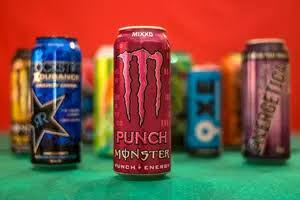
The morning ritual of grabbing a brightly colored can from the cooler is about to change. On July 29, 2026, the US Food and Drug Administration confirmed it has initiated a comprehensive regulatory evaluation into mandatory caffeine disclosure standards for functional beverages. This move signals a major shift in how energy drinks and similar products will be sold, addressing growing concerns from consumers, health advocates, and legal experts who have long argued that the current patchwork of labeling rules leaves buyers in the dark about exactly how much stimulant they are consuming.
The Push for Clarity
We have seen a surge in demand for transparency that goes beyond simple ingredient lists. The FDA’s decision to review these standards comes after years of confusion where two identical looking cans could have vastly different caffeine contents, with one labeled clearly and the other hiding the amount behind proprietary blend claims. This inconsistency has created a marketplace where consumers are often forced to guess their intake, a situation that becomes dangerous when high doses are involved. The agency is now looking to close these loopholes by establishing a uniform requirement for explicit milligram disclosure on the front of the package.
The evaluation is not just about numbers on a label but about protecting public health in a market that has exploded in popularity. Energy drinks are no longer niche products for athletes but are ubiquitous in grocery stores, gas stations, and vending machines, accessible to children and adults alike. The FDA recognizes that without clear labeling, the risk of accidental overconsumption remains high, particularly for those who are sensitive to caffeine or who mix these beverages with other stimulants. By standardizing how this information is presented, the agency aims to empower consumers to make safer choices based on accurate data rather than marketing hype.
Legal and Safety Implications
The legal landscape for beverage manufacturers is becoming increasingly complex, and this regulatory review is a direct response to the rising tide of litigation surrounding caffeine related injuries. Plaintiffs in recent cases have successfully argued that the lack of clear labeling contributed to their harm, setting a precedent that could expose companies to significant liability. The FDA’s intervention is a proactive measure to establish a clear safety baseline that protects both the public and the industry from the ambiguity that has fueled these lawsuits. Companies that fail to adapt to these emerging standards may find themselves on the wrong side of both regulators and the courts.
For parents and educators, the stakes are even higher. The normalization of high caffeine consumption among teenagers has raised alarms about potential impacts on developing brains and cardiovascular health. The current regulatory framework has struggled to keep pace with the innovation of new products that push the boundaries of what is considered safe. By focusing on mandatory disclosure, the FDA is taking a critical first step toward ensuring that young people and their guardians have the information they need to limit intake. This aligns with broader public health goals to reduce preventable health issues linked to excessive stimulant use.
What the Review Entails
The scope of this evaluation is broad, covering not just traditional energy drinks but also functional waters, shots, and even certain caffeinated snacks that fall under the beverage category. The agency is examining the scientific literature to determine what constitutes a safe upper limit for single serving disclosure and whether warning labels should be mandatory for products exceeding specific thresholds. This process involves gathering input from industry stakeholders, medical professionals, and consumer advocacy groups to ensure that the final rules are both practical and effective.
One of the key areas of focus is the distinction between natural and added caffeine. Current labels often fail to differentiate between caffeine derived from coffee beans or tea leaves and synthetic caffeine added during manufacturing. This distinction matters because the absorption rate and physiological effects can vary, yet the consumer is rarely informed. The new standards under consideration would likely require manufacturers to specify the source of the caffeine, providing a more complete picture of what is in the product. This level of detail is essential for those who are trying to manage their intake for medical or personal reasons.
Industry Response and Compliance
The beverage industry is watching this review closely, with many major players already preparing for stricter rules. Some companies have voluntarily adopted clearer labeling practices in anticipation of federal mandates, recognizing that transparency builds trust with consumers. However, others remain concerned about the cost of reformulating products and redesigning packaging to meet new requirements. The FDA’s challenge will be to implement standards that are rigorous enough to ensure safety without stifling innovation or placing an undue burden on smaller businesses that may lack the resources to comply quickly.
Compliance will likely involve more than just changing the text on a can. It may require significant investment in supply chain tracking to ensure accurate caffeine measurements and third party testing to verify claims. The agency has indicated that it will provide a grace period for manufacturers to adjust their operations, but the expectation is that the transition to full compliance will be swift once the final rules are published. This timeline is designed to minimize market disruption while ensuring that consumers see results in a reasonable timeframe.
Looking Ahead
As the FDA moves forward with this evaluation, the conversation around caffeine safety is set to become a central part of the national health dialogue. The outcome of this review could set a precedent for how other dietary supplements and functional foods are regulated, potentially leading to a more holistic approach to food labeling. For consumers, the promise of clearer information is a welcome development that restores some agency in an often confusing marketplace. We can expect to see more public education campaigns accompanying these regulatory changes, helping people understand what the numbers on the label mean for their daily lives.
The path to finalizing these rules will involve public comment periods and further scientific analysis, but the direction is clear. The era of hidden caffeine is coming to an end, replaced by a system that prioritizes openness and safety. For those who rely on these beverages for a boost, the change will mean knowing exactly what they are putting into their bodies. For the broader public health community, it represents a significant victory in the ongoing effort to make the food supply safer and more transparent for everyone. The morning grab from the cooler will soon come with a guarantee of knowledge, turning a routine purchase into an informed decision.