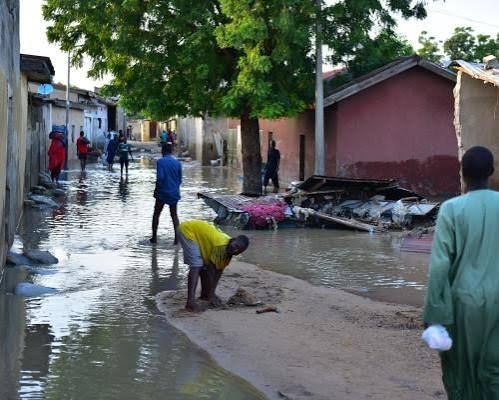
Heavy torrential rains and severe flooding across Côte d’Ivoire and Ghana have displaced thousands of people and deepened an already fragile child health crisis, forcing aid agencies to warn that urgent international support is needed now rather than later. The flooding has damaged homes, cut off roads, strained clinics and added fresh pressure to families already struggling with rising malnutrition rates among children.
Water rising, food shrinking
Across riverbanks, low lying neighborhoods and rural settlements, families are confronting a brutal double blow. Floodwaters have swept through homes and fields, while the destruction of crops and disruption of food supply chains has made it harder for parents to feed young children enough nutritious food. In these conditions, malnutrition can move quickly from a hidden threat to an acute emergency, especially for infants and children under five whose bodies cannot afford even short periods of poor intake.
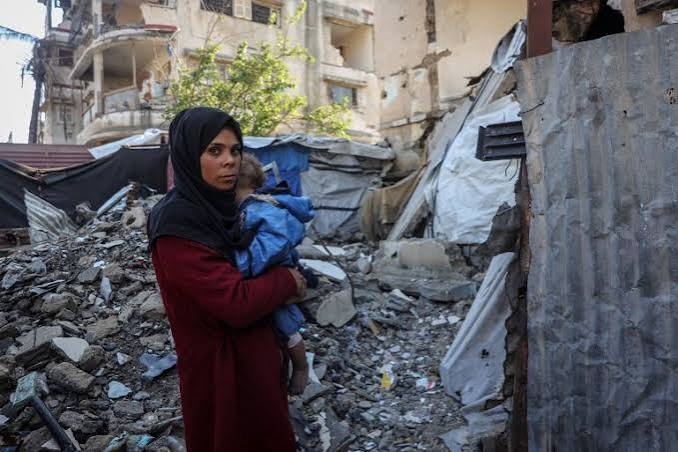
The human toll is easy to imagine even when the numbers remain fluid. In temporary shelters, mothers try to calm tired children while waiting for water, medicine and food rations. The air often carries a damp, earthy smell after days of rain, but in overcrowded evacuation sites it can also carry exhaustion, fear and the frustration of not knowing when normal life will return. For many families, the immediate concern is not simply the loss of a roof. It is whether the next meal will contain enough to keep a child safe.
Why children are most at risk
Child malnutrition is never just about hunger. It weakens immune systems, delays growth and makes ordinary infections more dangerous. When flooding displaces families, the risks multiply. Clean water becomes scarce, sanitation systems fail and diarrheal disease can spread more easily through crowded shelters. A child who is already undernourished is far more likely to become seriously ill when these conditions combine.
Health workers in the region are warning that the situation may worsen if emergency feeding programs do not reach the hardest hit areas quickly. Severe acute malnutrition requires prompt treatment and careful monitoring, and many local clinics are now operating under stress because roads are damaged and supplies are delayed. Every day of interruption matters. For a child already losing weight, a week without therapeutic food or medical follow up can become dangerous very quickly.
The flood impact on health systems
Flooding does not only damage homes and farms. It also chips away at the ability of health systems to function. Roads wash out, electricity can fail and patients may be unable to reach clinics for vaccinations, prenatal care or treatment for diarrhea and respiratory illness. In rural districts and river communities, that isolation can be especially severe. Health workers may know exactly which families need help, but not always be able to reach them in time.
That is why emergency calls for global health aid are growing louder. Humanitarian organizations often need more than food. They need mobile clinics, clean water support, nutrition supplements, temporary shelter, transportation, logistics and cash assistance so families can buy essentials locally. When multiple systems fail at once, a narrow response is rarely enough. The crisis now unfolding across parts of West Africa requires a layered answer.
How the emergency unfolded
Torrential rains have become a recurring threat in parts of West Africa, but the scale of recent flooding has exposed how vulnerable communities remain. Floods can arrive quickly, turning streets into channels and compounds into islands. In a matter of hours, people lose bedding, cooking supplies, school materials and stored grain. For households living near the edge of food insecurity, those losses are devastating because they erase both savings and resilience.
Once crops are damaged and market access breaks down, food prices can climb. That puts more pressure on families who were already spending most of their income on basic needs. The result is a familiar but painful pattern: flooding triggers displacement, displacement disrupts livelihoods, disrupted livelihoods worsen child nutrition, and worsening nutrition makes the next disease outbreak more dangerous. The crisis becomes self reinforcing.
What aid agencies are asking for
Aid groups are urging faster funding for emergency nutrition, safe water delivery and medical support. They are also asking for better coordination between local authorities, national governments and international partners so that help reaches the most isolated communities. In a fast moving flood crisis, delays in funding can have immediate consequences for children whose health cannot wait for bureaucratic timelines.
Nutrition specialists often stress that early intervention is cheaper and more effective than late hospitalization. Simple measures such as screening children for acute malnutrition, distributing ready to use therapeutic food and supporting breastfeeding mothers can prevent a much worse medical emergency later on. The challenge is making sure these tools arrive where they are needed before conditions deteriorate further.
The deeper vulnerability
This crisis reflects a broader reality across the region. Communities already coping with poverty, climate shocks and limited infrastructure are the least able to absorb repeated floods. Each new rainy season can feel like another test of endurance. The problem is not only that the rain is heavier. It is that the safety net is often too thin to catch families once it breaks.
For readers far from West Africa, it may be tempting to see this as a disaster caused by weather alone. That would miss the larger story. The rains are the trigger, but the severity of the crisis comes from long standing vulnerability: fragile housing, limited drainage, uneven access to health care and persistent child malnutrition that makes every emergency more dangerous than the last.
What recovery will require
Recovery will not be quick, and it will not depend on one intervention. Flooded communities will need safe shelter, food, health services and support to restart livelihoods. Children will need nutrition screening and follow up to make sure short term hunger does not turn into long term developmental harm. Local markets will need time and investment to recover so families can buy food without facing impossible prices.
There is also a need for longer term resilience planning. Better drainage, stronger flood warning systems, community based nutrition programs and climate adaptation funding can all reduce the damage next time. That work may sound technical, but for a family whose home has been flooded and whose child is losing weight, it is deeply practical. It is the difference between surviving one season and being trapped in crisis after every heavy rain.
Why the world should pay attention
West Africa’s flood and malnutrition emergency is not a local problem hidden at the margins. It is a clear warning about the way climate shocks and child health failures can intersect. When floods hit communities already living with nutritional strain, the result is not only immediate suffering but the long shadow of stunted growth, weakened immunity and interrupted childhood development.
The call for global health aid is therefore not just a request for charity. It is a request for timely solidarity, the kind that keeps a child from sliding into severe illness because help arrived too late. As the waters recede in some places and continue rising in others, the real measure of the response will be whether aid reaches the families who need it before the crisis leaves lasting scars.