Global food markets are facing renewed pressure as localized weather disasters and maritime safety incidents disrupt agricultural production and the movement of essential commodities. As of August 31, 2026, food distributors, agricultural businesses and governments are closely watching transportation routes and regional supplies as disruptions in one part of the world can quickly affect prices and availability somewhere else. For families already managing tight household budgets, even a modest increase in the cost of rice, wheat, cooking oil, vegetables or other staples can be felt immediately at the grocery counter.
Why Local Disruptions Can Create Global Food Pressure
The modern food system depends on an enormous network connecting farms, storage facilities, processing plants, ports, ships, trucks, wholesalers and retailers. A disruption does not need to affect an entire continent to create wider consequences. A major storm damaging an agricultural region can reduce available supplies, while a separate incident affecting a major shipping lane can delay the movement of food and agricultural inputs.
We often see the final result in a supermarket rather than at the farm or port. A familiar product may become more expensive, arrive later or temporarily disappear from shelves. Behind that simple change can be a complicated chain of events involving crop losses, higher transportation costs, insurance concerns, delayed vessels and tighter inventories.
This interconnected structure provides efficiency during stable periods, but it can also make food distribution vulnerable when several disruptions occur at the same time. The current focus on supply chain resilience reflects growing recognition that food security depends not only on producing enough food but also on moving it reliably to the people who need it.
Extreme Weather Remains a Major Risk to Agriculture
Weather remains one of the most immediate threats to agricultural supply. Heavy rainfall can destroy crops, flood storage areas and damage roads connecting farms with markets. Landslides and storms can interrupt transportation, while prolonged heat and drought can reduce yields and place additional pressure on irrigation systems.
Localized damage can have consequences beyond the affected farming community. Agricultural markets are connected through domestic trade and international commerce, meaning a reduction in production can influence purchasing decisions elsewhere. Buyers may seek alternative suppliers, increasing competition for available supplies and potentially pushing prices higher.
Farmers also face a difficult planning environment. Planting decisions are made months before harvest, while weather conditions can change rapidly. A producer may invest heavily in seed, fertilizer, labor and irrigation only to face severe losses because of an extreme event.
Shipping Lanes Are Another Critical Pressure Point
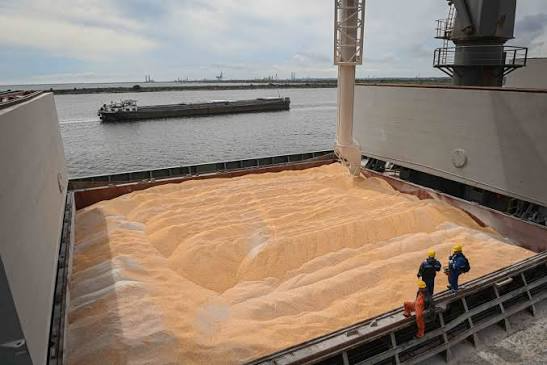
Food security is also closely tied to maritime transportation. Large quantities of grain, edible oils, animal feed and other agricultural commodities travel by sea. When vessels face safety concerns in important shipping corridors, operators may alter routes, delay journeys or take longer paths.
Longer shipping routes can increase fuel consumption, insurance expenses and delivery times. Those costs can eventually move through wholesalers and retailers. Even when sufficient food exists somewhere in the global market, transportation problems can make it more expensive or slower to reach a particular region.
The problem becomes more serious when shipping disruptions occur alongside poor harvests. A market may lose part of its expected supply at the same time that transportation becomes more expensive. Import dependent countries can be particularly exposed when they have limited domestic production or storage capacity.
Regional Buffer Reserves Could Offer a Practical Safety Net
Industry analysts are increasingly calling attention to regional buffer reserves as one way to reduce the impact of sudden supply disruptions. The basic idea is straightforward. Governments, cooperatives or other authorized institutions maintain carefully managed stocks of essential commodities that can be released when normal supply channels experience serious interruptions.
Such reserves can provide breathing room while producers, importers and transport operators restore regular distribution. They can also reduce the temptation for buyers to react to short term shortages by making unusually large purchases, which can intensify market pressure.
Regional reserves could be particularly useful for staple foods that are consumed consistently throughout the year. However, reserve systems need careful management. Poor storage conditions can cause food losses, while purchasing too much during periods of low prices and releasing supplies too late can reduce the effectiveness of the program.
The Food and Agriculture Organization provides extensive information on agricultural production, food markets and food security that can help policymakers assess supply risks and preparedness strategies.
Food Prices Often Reflect More Than the Cost of Production
Consumers sometimes assume that rising food prices are caused entirely by farmers charging more. The reality is considerably more complicated. The final retail price can reflect production expenses, energy costs, storage, processing, packaging, transportation, insurance, exchange rates, import policies and market conditions.
A disruption at one stage can therefore influence several stages that follow. If transportation becomes more expensive, distributors may face higher costs. If supplies become scarce, processors may compete for available commodities. Retailers can then face higher wholesale prices before products reach consumers.
This is why stabilizing food prices requires more than increasing agricultural production. Governments and industry need to examine storage capacity, transportation infrastructure, port operations and market access as part of the wider food security system.
Small Food Markets Can Be Hit Hardest
Lower income households often have less flexibility when staple food prices rise. A family that already spends most of its budget on essential groceries cannot easily absorb another increase. People may reduce the quantity of food they purchase, switch to less expensive alternatives or postpone other necessary expenses.
That human impact should remain at the center of supply chain policy. Food security statistics can describe shortages and price movements, but they do not fully capture the anxiety of a parent standing in a market aisle and calculating whether the week’s groceries will fit within the household budget.
Governments can reduce some of this pressure through targeted assistance, transparent market information and measures that prevent unnecessary supply restrictions during emergencies. Strong domestic distribution networks can also help ensure that available food reaches vulnerable communities efficiently.
Storage Capacity Could Become More Important
Strategic storage is only useful when infrastructure can protect food for extended periods. Warehouses, grain silos, refrigerated facilities and other storage systems need reliable power, appropriate temperature controls and protection from flooding and other hazards.
Investment in storage near major consumption centers can also reduce dependence on a single transportation corridor. If one port or road network becomes unavailable, alternative reserves can give distributors additional options.
Technology can assist with this process. Inventory management systems can provide better visibility into available stocks, while weather monitoring and market analysis can help authorities identify potential shortages earlier. The objective should be to recognize supply stress before it becomes an emergency at the retail level.
Farmers Need Resilience Alongside Market Support
Food security ultimately begins with agricultural producers. Farmers need access to reliable water, appropriate crop varieties, insurance, financing, storage and transportation. They also need practical information that helps them prepare for changing weather conditions.
Crop diversification can reduce dependence on a single harvest, while improved soil management and efficient irrigation can help farms withstand certain environmental stresses. Local processing capacity can also give producers additional options when transportation disruptions affect distant markets.
These measures do not eliminate agricultural risk. They can, however, reduce the severity of losses and help communities recover more quickly after a damaging event.
Governments Are Being Asked to Plan Before a Crisis
The strongest supply chain policies are often developed before shelves become empty. Governments can identify essential food categories, map major transportation dependencies and establish emergency procedures for releasing strategic reserves.
Useful planning can include:
- Maintaining transparent inventories of essential food reserves.
- Supporting storage facilities in vulnerable regions.
- Developing alternative transportation routes for critical commodities.
- Improving communication between farmers, importers, distributors and retailers.
- Monitoring weather and shipping risks before shortages become severe.
International cooperation is equally important. Food markets cross national borders, and disruptions can quickly affect countries that depend on imports. The World Food Programme provides extensive resources on food security, emergency response and supply chain operations in vulnerable communities.
What Consumers Should Expect From a More Resilient Food System
Consumers should not expect every disruption to disappear. Weather events, transportation problems and unexpected emergencies will continue to affect food markets. The goal of resilience is to prevent temporary shocks from becoming prolonged crises.
A resilient system should be able to absorb a disruption, maintain access to essential foods and recover without creating unnecessary price instability. That requires investment at several levels, from farms and warehouses to ports, roads and retail distribution networks.
The Next Test Is Whether Reserves and Planning Can Keep Pace With Risk
The food supply chain has always depended on coordination, but recent disruptions are reinforcing the value of preparedness. A damaged harvest, a delayed vessel or a blocked transportation corridor may appear to be an isolated event. When several pressures overlap, however, the consequences can spread rapidly through global markets.
We should therefore view regional food reserves as one component of a much larger resilience strategy. Better storage, diversified suppliers, stronger agricultural systems, reliable transportation and transparent market information can work together to reduce the impact of sudden shocks.
For households, the issue ultimately comes down to something very basic: having access to affordable food when it is needed. Protecting that access requires decisions made long before a crisis reaches the supermarket. As governments and industry assess the disruptions affecting agricultural and maritime networks, building stronger regional buffers could provide the stability needed to protect both consumers and producers when the next major shock arrives.