October 17, 2026
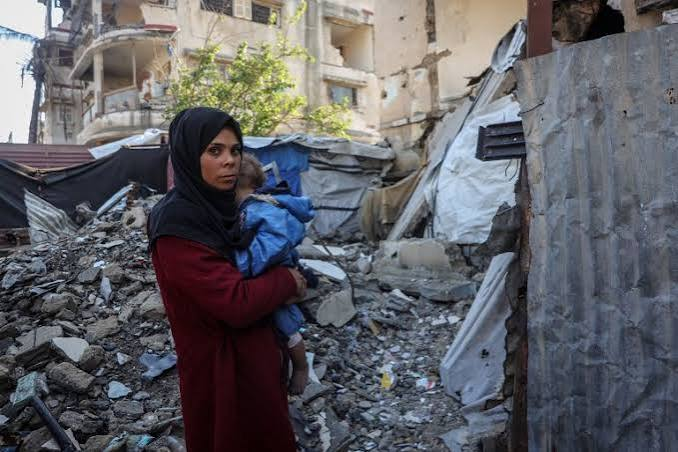
As winter approaches, families across Gaza face another period of severe humanitarian uncertainty. Thousands of displaced people remain dependent on temporary shelters, limited food supplies and humanitarian assistance, while seasonal rain threatens to turn exposed camps and damaged neighborhoods into dangerous, waterlogged environments. International humanitarian agencies have raised concerns about shortages of essential supplies, worsening food insecurity and the difficulties of preparing makeshift settlements for colder, wetter weather.
For families living in tents, the change of season is more than a forecast. Rain can soak blankets, destroy stored food and leave children sleeping on damp ground. Strong winds can damage already fragile shelters, while standing water can make sanitation more difficult and increase exposure to illness. With many households lacking reliable access to adequate housing, heating, clean water and basic necessities, preparations for winter have become a matter of safety and survival.
The precise scale of the latest reported shortages and the number of families affected require confirmation from current humanitarian assessments. Nevertheless, the risks associated with inadequate shelter, disrupted food access and seasonal flooding are clear priorities for relief organizations working to support Gaza’s displaced population.
Why Winter Poses an Immediate Threat to Displaced Families
Winter conditions can place enormous pressure on people who have already endured repeated displacement and prolonged shortages of essential goods. In Gaza, damaged buildings, overcrowded temporary settlements and limited access to suitable shelter make seasonal preparations particularly difficult. Families who would ordinarily reinforce a roof, repair a window or purchase warmer clothing may have neither the resources nor the materials needed to do so.
Tents offer limited protection against sustained rainfall, cold air and strong winds. Their effectiveness depends on the quality of the fabric, the condition of the ground, the availability of secure anchoring and the ability to keep water away from sleeping areas. When several families share crowded spaces, maintaining privacy, sanitation and safe storage for belongings becomes even more challenging.
For parents, the practical concerns are immediate. They must find dry clothes for children, protect food and medicines from moisture, and identify somewhere safe to sleep when rain enters a tent. Older people and individuals with disabilities may face additional difficulties moving through muddy pathways or reaching communal toilets and water points.
Winter preparation therefore requires more than distributing tents. Humanitarian support must account for drainage, insulation, bedding, clothing, safe cooking arrangements, sanitation and access to health services. Without these elements, even a temporary shelter can offer inadequate protection against seasonal hazards.
Flooding Risks Increase in Makeshift Camps
Heavy rainfall can create dangerous conditions in settlements where drainage systems are damaged, ground surfaces are uneven or shelters stand close together. Water may collect around tents, flow through narrow pathways and enter sleeping areas. In crowded locations, families may have few options for moving their belongings or relocating to safer ground.
Flood preparation is particularly difficult when construction materials, tools and transport are scarce. Raising sleeping platforms, securing tent coverings and creating channels to direct rainwater away from living spaces all require resources that displaced households may not possess. Where settlements lack planned drainage, even ordinary seasonal rainfall can cause significant disruption.
Floodwater can also carry waste into areas used for sleeping, cooking and collecting water. If sanitation facilities are damaged or overwhelmed, the risk of contamination can increase. Standing water, damp clothing and overcrowded living conditions may further complicate efforts to prevent respiratory and other infectious illnesses.
Practical measures that can reduce exposure
Humanitarian agencies and local response teams can reduce some of these risks by prioritizing basic protective measures before severe weather arrives. Useful interventions include:
- Providing waterproof shelter coverings, repair materials and secure tent anchors.
- Improving drainage around crowded settlements and clearing existing water channels where it is safe to do so.
- Distributing dry blankets, weather appropriate clothing, sleeping mats and raised sleeping platforms.
- Protecting drinking water supplies and sanitation facilities from rainwater contamination.
- Identifying safer temporary locations for households whose shelters are especially exposed to flooding.
These measures cannot replace permanent, adequate housing. They can, however, help limit immediate harm while longer term shelter and reconstruction needs remain unresolved. Their effectiveness depends on timely delivery, suitable materials and coordination with the people who understand the conditions in each settlement.
Food Insecurity Adds to the Pressure of Winter
Food insecurity remains another central concern in Gaza’s humanitarian emergency. Families already struggling to obtain enough food may face additional difficulties as cold and wet weather disrupts cooking, storage and the movement of relief supplies. Food that becomes soaked or contaminated may no longer be safe to eat, while households without secure storage can lose a substantial portion of their limited provisions.
For people with little or no reliable income, the cost of meeting basic nutritional needs can be overwhelming. Parents may have to make difficult decisions about how to divide limited meals among family members. Children, pregnant women, older people and individuals with existing health needs can be particularly vulnerable when diets lack sufficient calories, protein and essential nutrients.
Food assistance must therefore be considered alongside shelter and public health support. Delivering food alone may not meet the needs of families who cannot prepare meals safely or preserve supplies in wet conditions. Depending on circumstances, effective assistance may include ready to eat food, suitable cooking equipment, safe fuel, clean water and nutritional support for people at heightened risk.
Humanitarian organizations also need reliable access to storage facilities, distribution points and transport routes. Damaged infrastructure, insecurity, shortages of supplies and restrictions on movement can complicate delivery. Clear information about which communities are receiving assistance helps responders identify gaps and reduce the risk that particularly vulnerable households are overlooked.
Children and Other Vulnerable People Face Greater Risks
Children are especially vulnerable when families lack dry shelter, adequate food and access to healthcare. Wet bedding and cold nights can make rest difficult, while crowded living conditions may increase exposure to respiratory infections. Disrupted routines and prolonged uncertainty can also affect children’s emotional wellbeing, particularly when displacement separates families from familiar surroundings, schools and community support.
Older people and individuals with disabilities may face different but equally serious barriers. Muddy paths can prevent them from reaching water distribution points, toilets or medical services. People who rely on regular medication may struggle to protect supplies from moisture or travel to healthcare facilities when roads and pathways become difficult to navigate.
Women and girls can experience additional challenges in overcrowded settlements where toilets, washing facilities and private spaces are insufficient. Access to safe sanitation, menstrual health supplies, lighting and confidential support should remain part of winter planning rather than being treated as secondary concerns.
Humanitarian assessments should identify these differing needs instead of treating every displaced household as if it faces identical risks. Assistance is more effective when families can explain what they lack, when distribution sites are accessible and when protection concerns are addressed with dignity and confidentiality.
Humanitarian Agencies Face Difficult Supply and Access Challenges
Preparing for winter requires substantial quantities of shelter materials, blankets, warm clothing, food, water treatment supplies and sanitation equipment. These items must be sourced, transported, stored and distributed before weather conditions make access more difficult. When several essential services are under pressure at the same time, relief agencies must make difficult decisions about how to prioritize limited resources.
Humanitarian operations also depend on safe and predictable access to affected communities. Damaged roads, fuel shortages, insecurity and restrictions on movement can delay deliveries or make certain areas difficult to reach. Supplies that arrive at a central warehouse cannot protect a family until they reach the people who need them.
Coordination is therefore essential. Relief agencies, local organizations, medical teams and community representatives need to share assessments, identify areas of greatest need and avoid unnecessary duplication. Transparent distribution procedures can help ensure that shelter materials and food assistance reach households facing the most serious risks.
The United Nations Office for the Coordination of Humanitarian Affairs provides information about humanitarian emergencies, response coordination and the needs of affected populations. Reliable situation reports can help governments, donors and the public assess where assistance is required, although the latest figures should always be checked against dated field assessments.
Why Emergency Tents Cannot Replace Adequate Housing
Tents can provide rapid protection when people have nowhere else to go, but they are not designed to serve as long term homes under difficult conditions. They offer limited insulation, can deteriorate through repeated exposure to rain and wind, and provide little protection against overcrowding or the loss of privacy. Repeated repairs may also become impossible when replacement materials are unavailable.
More durable shelter solutions may include repairing buildings that independent assessments have determined to be safe, providing suitable temporary housing or supplying stronger shelter structures where appropriate. Any such response must consider structural safety, access to water and sanitation, disability access and the availability of essential services.
Reconstruction and housing recovery require sustained resources, functioning supply chains and conditions that allow work to proceed safely. Until more durable options become available, emergency shelter assistance remains necessary. The challenge is to ensure that temporary measures offer meaningful protection rather than leaving families exposed to the same hazards each time the weather changes.
Winter planning should also include clear information about where displaced people can seek assistance, how damaged shelters can be reported and which services remain available during severe weather. Communication is most useful when it reaches people in accessible languages and formats and does not depend solely on internet access or mobile phone ownership.
International Support and the Need for Sustained Action
Addressing Gaza’s winter needs requires both immediate relief and sustained international support. Governments, donors and humanitarian partners can help by funding emergency shelter materials, food assistance, clean water, sanitation services and medical care. Flexible funding is particularly useful when weather conditions change rapidly and response teams must redirect supplies to newly affected areas.
Humanitarian organizations must also be able to assess needs independently and deliver assistance safely. Respect for humanitarian principles, including impartiality and the protection of civilians, is essential to ensuring that aid is directed according to need. Access arrangements should allow relief workers to reach affected communities and help prevent essential supplies from being delayed when conditions become more dangerous.
The United Nations Relief and Works Agency for Palestine Refugees in the Near East is among the organizations involved in supporting Palestine refugees through services and humanitarian assistance. Information from humanitarian agencies can help the public understand the needs of affected communities and the types of support required as winter approaches.
Financial contributions can help relief organizations purchase supplies and respond to changing conditions, but support should be directed through established humanitarian channels with clear reporting and accountability. Public attention is also valuable when it remains grounded in verified information and recognizes the dignity of the people affected.
What to Watch as Winter Approaches
Several indicators will help show whether the humanitarian response is keeping pace with seasonal needs. These include the availability of adequate shelter, the delivery of waterproof materials, the condition of drainage systems, access to safe drinking water, the regularity of food distributions and the ability of healthcare facilities to serve vulnerable people.
Humanitarian updates should also report whether families can reach assistance safely, whether supplies are sufficient for the number of people in need and whether newly displaced households are being identified. Current figures should be interpreted carefully, since access limitations and rapidly changing conditions can leave assessments incomplete.
For families living in tents, meaningful preparation is measured in practical protections: a dry place to sleep, food that remains safe, drinking water that is not contaminated and a route to medical assistance when it is needed. These basic requirements should guide decisions about funding, logistics and emergency planning.
A Winter Response Built Around Human Dignity
Gaza’s approaching winter presents a serious test of humanitarian readiness. Food insecurity, inadequate shelter and flood exposure are connected problems that cannot be addressed effectively in isolation. A family may receive food but still face hunger if its supplies are ruined by rain. A tent may provide temporary cover but remain unsafe if water collects beneath it. Clean water may be available at a distribution point but inaccessible to someone who cannot cross muddy pathways.
These realities call for a coordinated response that treats shelter, food, sanitation, healthcare and protection as essential parts of the same effort. It also requires listening to displaced people themselves, whose knowledge of local conditions can help identify urgent gaps and practical solutions.
As temperatures fall and seasonal rainfall approaches, the priority must be to reach vulnerable households before preventable dangers become emergencies. Timely supplies, reliable access, transparent coordination and sustained international support can reduce suffering, even when the wider humanitarian crisis remains unresolved.
For the families preparing to face another winter in temporary shelters, adequate protection is not a luxury. It is a basic human need. The measure of the international response will be whether assistance reaches people in time to help them remain safe, fed and dry through the months ahead.